
I’m currently helping to raise money for Isaac, a young trans man I know, and his family.* In the face of enormous NHS failings, they need your help to afford trans healthcare.
Share or donate:
Help a Black trans kid afford care
There is of course already a lot of fundraising for healthcare within trans communities. This is inherently unfair for several reasons. Firstly and most importantly, it’s wrong that people struggle to receive the care they need from state-funded providers, and pretty much all trans people across the world are discriminated against in this regard (whether or not we are talking about medical transition).
Secondly, research shows that crowfunding tends to favour individuals with more existing social capital. People trying to raise money for their care benefit from factors such as being older, transmasculine, white, and/or well-connected on social media.
For these reasons, I try to support collective fundraising where possible. Some examples of this include the Glasgow Transfem Electrolysis Project, and the gig I was DJing at just this week for Trans Healthcare Access Glasgow.
However, there are cases where we simply don’t have the infrastructure or resources in place (yet?!) to support collective fundraising. A good example of this is all minors: young trans people who are more likely to face heightened discrimination and legal barriers both to accessing care in the first place, and in attempting to circumnavigate these barriers.
I do not have the capacity to make a habit of running fundraisers. In this instance, I have known both Isaac and his family for a long time. I know that they are systemically disadvantaged due to economic factors, an inability to go public and put a face to their crowdfunder, and the intersection of transphobia, racism, and various other forms of structural oppression.
Here’s some of the blurb from the crowdfunder page about why you should support Isaac:
Isaac’s story
Isaac is a Black trans kid living in England. He is an expert baker of chocolate chip cookies, loves painting and drawing sharks, and has a budding rock collection. He’s obsessed with highland cows, and knows all the words to Hamilton.
Isaac has a very supportive family who want to help him access healthcare. However, they are in low income work, and are on universal credit.
They therefore need your help to afford care for Isaac.
NHS failings
Isaac received a diagnosis of gender dysphoria from the NHS England Gender Identity and Development Service (GIDS). However, the clinical timelines were so slow at GIDs that this diagnosis came too late for him to access any medical treatment before the clinic closed in 2024.
Like many of young people, Isaac has found the new NHS trans healthcare clinic for under-18s – the Children and Young People’s Gender Service – to be traumatic and abusive. He also has no hope of being prescribed medication there.
For more information on young trans people’s terrible experiences at NHS clinics, see Dr Cal Horton’s article, “The worst thing I ever experienced”
How much money does Isaac’s family need?
We are aiming to raise up to £8000. This is to cover the cost of the following for up to three years:
- Diagnostic appointments
- Subscription to a private clinic
- Medication costs
- Blood tests
Isaac’s family may save on some of these costs if they can find a GP who will provide shared care and blood tests. However, this is not guaranteed.
If Isaac’s treatment costs less than the money raised, any remaining donations will go towards a top surgery fund for when he is an adult.
If there is still remaining money not spent on Isaac’s healthcare, the family will donate this to fundraisers for other trans kids and/or other trans people of colour.
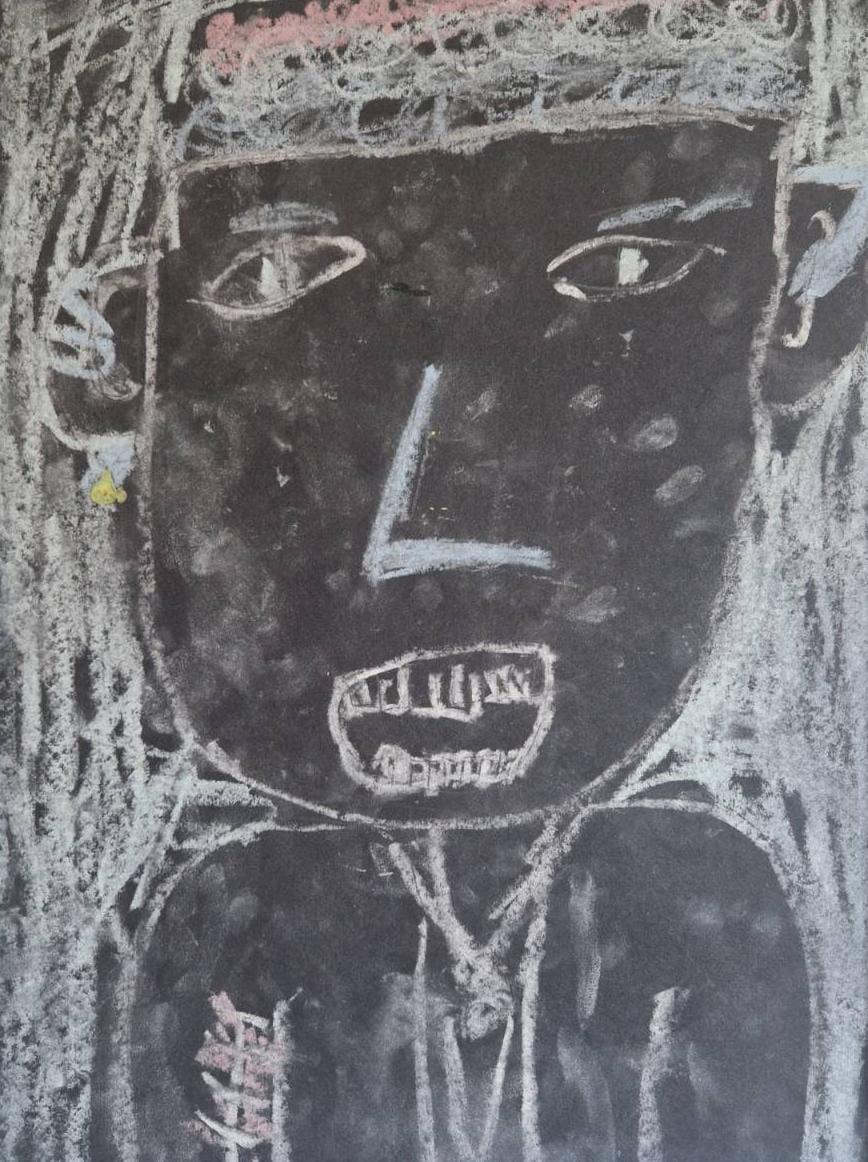
*Isaac, of course, is not his real name. However, the image for this campaign is a self-portrait of his future self that he drew when much younger. Isn’t it amazing?

 Dr Ruth Pearce