New article: Pathologising Legacy Measures and over-assessment

I have a new peer-reviewed academic article out in the International Journal of Transgender Health, co-authored with my colleagues Cal Horton, Jaimie Veale, Lou Kerley, and Ken Pang.

Pathologising Legacy Measures and over-assessment:
reconceptualising ethical assessment and data collection practices in trans children’s healthcare

The article looks at a range of questionnaires which are in common use internationally in trans youth healthcare. These are designed as a type of data collection tool known as “Patient Recorded Outcome Measures”, or PROMs, in which patients are asked direct questions about their feelings and experiences, to track the outcome of specific treatments.

PROMs are common across healthcare and mental health interventions more generally. You may have experienced this yourself if you have ever seen a therapist, for instance. A widely-used example is GAD-7. This invites patients or clients to use a numerical scale to rate how often they have felt bothered by particular problems, such as “feeling nervous, anxious or on edge”, or “feeling afraid as if something awful might happen”.

If a patient or client fills out a questionnaire such as GAD-7 both before and after receiving a treatment or therapeutic intervention, the care provider can – in theory – test how successful their intervention has been.

In trans healthcare, PROMs have historically been used by clinicians for research purposes, as well as for tracking individual outcomes. This has often been problematic, especially when patients are presented with a great many questions, or where these questions are experienced as pathologising or intrusive. For example, in the mid-2010s the Nottingham Centre for Transgender Health notoriously subjected new patients to 27 pages of apparently mandatory questions, including about seemingly random topics such gaming. This caused a great deal of stress and confusion for people seeking care at the clinic.

However, with specialist trans healthcare provision increasingly facing political threats, many clinics currently present PROMs as necessary to demonstrate the benefits of the care they provide. With this in mind, Cal Horton set out to examine 36 PROMs used in trans youth healthcare, assessing them according to four aspects of pathologisation (authenticating transness, intrusion, delegitimisation, and transnormativity) as well as over-assessment. They then brought their findings to our research team, and we wrote them up collectively. We found that both pathologisation and over-assessment were widespread across a majority of these PROMs. For example:

Tool BI2 asks children to rate how happy they are with 26 body parts, asking which body parts they would like to surgically change, including body parts that cannot be changed through medical intervention (e.g. hands). These questions do not adopt a trauma-informed approach, and many may be experienced as abusive. Tool BI1, for example, asks how children like to pee and how they feel about looking at their body naked, questions which are clinically unnecessary and likely to be experienced as a significant intrusion of privacy by service users.

The central argument of our article is that numerous commonly-used PROMs are impacted by a wider legacy of pathologisation in trans health, in which young people especially were treated as objects of clinical curiousity, rather than subjects of care. Since these PROMs are well-established and scientifically “validated”, they continue to be used in clinics which profess to practice forms of affirmative care. We therefore named these “pathologising legacy measures”, and caution against their continued use.

We do recognise that many clinics continue to use pathologising legacy measures out of a genuine desire to evidence necessary, life-saving care in an increasingly hostile political environment. Our ultimately question to these clinics is: at what cost?


Did you appreciate this post? Want to read more?

Subscribe now to receive new posts for free whenever I write them.

Open letter to NHS Director for Specialised Services on trans youth hormone ban

I am one of the 85 signatories to an open letter to James Palmer, NHS England’s National Medical Director for Specialised Services. We are raising serious concerns about the recent NHS evidence reviews of hormone therapy for trans youth, and subsequent prescribing policy and public consultation.

The letter has been published and sent to Palmer by Trans Actual – you can read more about it on their site here. In my signature, I note that I was a 2023 recipient of the NHS England LGBT+ Advisor Award. Unfortunately, in subsequent years, NHS policy on LGBT+ healthcare seems increasingly shaped by ideology and political pressure, rather than patient experience, expert advice, and evidence. In meetings I attended with Palmer in the early 2020s, I personally heard him share various forms of disinformation about young trans people, such as the factually inaccurate claim that recent cohorts of adolescents presenting with gender dysphoria represent a distinct population from young people referred to the same clinics in earlier years.

For a longer and more detailed critique of the NHS evidence reviews, see this excellent analysis by Kim Hipwell: A Medical Mess: An Analysis Of The NHS’s Proposal To Ban Hormone Therapy For Trans Youth.

The public consultation is open until 7 June, and you can submit a response here.


Dear James Palmer,

We are a group of clinicians, researchers, and academics working in gender care, paediatrics, and related fields of healthcare, medicine, and science.

We are writing to lay out our serious concerns with NHS England’s recently-published evidence reviews into the use of gender-affirming hormone therapy (GAHT) by children and adolescents.


1. Lack of Clear Rationale

The Cass Independent Review previously commissioned a systematic evidence review into GAHT for under-18s.

Based on this peer-reviewed and published analysis, Dr. Cass recommended that “NHS England should review the policy on masculinising/feminising hormones. The option to provide masculinising/feminising hormones from age 16 is available, but the Review would recommend extreme caution.”

In 2024, NHS England reviewed and updated their GAHT policy accordingly.

A “living systematic review” – also recommended by Dr. Cass – is now underway, to consolidate the evidence base and keep it up-to-date. This work is being conducted by EPPI-Centre and others, funded by the National Health and Care Research Institute (NIHR), and includes an ongoing review of evidence for GAHT for under-18s.

Therefore, it remains entirely unclear why – having previously wholeheartedly accepted the Cass Report – NHS England has now launched a separate evidence review that was never recommended by Dr. Cass and which duplicates other research already commissioned and underway.


2. Lack of Peer Review

None of the NHS England evidence reviews have been peer reviewed or written to meet publication standards. Instead, NHS England released the reviews only as part of a public consultation process and has asked the general public to “check that draft policies are well evidenced” and to determine whether “all of the relevant evidence [has] been taken into account”.

Consultation is not a substitute for formal academic review, and risks conflating technical evaluation with public opinion.


3. Methodological Limitations and Risk of Bias

Rather than address a single, clinically meaningful research question, NHS England subdivided the GAHT for under-18s evidence review into 10 separate and extremely narrow PICOs (population, intervention, comparison and outcome search parameters).

We have confirmed that this methodological decision was made by NHS England’s “Policy Working Group”, prior to instructing the “independent” researchers, Solutions for Public Health (SPH).

This methodological approach explicitly goes against the gold-standard guidance outlined in the Cochrane Handbook, which cautions that fragmentation of PICOs is likely to result in “sparse” evidence and “could be chosen by review authors to produce a desired result.”

As a result of these overly-narrow search parameters, the researchers had to exclude some of the most significant studies on gender-affirming care for young people, such as Chen et al., 2023, the largest NIH-funded prospective study of trans youth ever conducted.

Ultimately, the researchers could find only 11 eligible studies across all 10 PICOs, with 0 (zero) studies found for 6 of the 10 reviews. In contrast, the University of York evidence review commissioned by Dr Cass found 53 studies, 34 of which were assessed as moderate- or high-quality.

As an example, studies were deemed “out of scope” if participants had received GnRH analogues in the context of puberty suppression prior to receiving gender-affirming hormones (despite the fact that this was the standard treatment protocol internationally for many years, including in the UK).

According to the published reviews, as a result of this methodological decision alone at least 38 studies were excluded that would otherwise have been eligible (and potentially many more at title/abstract stage). These studies could, at the very least, have provided information on the risk profile of GAHT, a factor which NHS England claims to be central to their policy decision making.

NHS England has published no rationale at all for this – and other– methodological decisions. In response to an FOI request, NHS England indicated that studies involving GnRHa puberty suppression “cannot be included” in the PICOs because of “legal issues”, an “ongoing research trial in this area” and “lack of new evidence” – reasons that we find scientifically unsound.

Additionally, in contexts where limited evidence is available for a paediatric intervention, it would be typical for researchers to consider extrapolating data from research into adults, something that NHS England again chose not to do.

In effect, NHS England has adopted a methodological approach that predictably minimises the available evidence base, then cites this manufactured scarcity as a justification for restrictive policy conclusions.


4. Misreporting and Misapplication of Findings

Especially in paediatrics, clinical policy and decision-making is commonly based on evidence considered limited and/or “low-quality” as recognised under the GRADE system. There is therefore no reason why the purported lack of evidence reported in these reviews should automatically lead to the policy position that gender-affirming hormones are so unsafe and/or ineffective for 16- and 17 year olds that they must be immediately withdrawn.

Even when looking only at the 11 studies included in this NHS England evidence review, we believe the overall pattern of evidence suggests that the benefits of GAHT for under-18s outweigh any harms. We believe this is also the case in the University of York review.

We have also found that at least one of the studies included in the SPH reviews that apparently found evidence of “harm” (Grannis et al., 2003) was entirely misreported. The evidence review states that those taking oestrogen had significantly higher depression, suicidality and social anxiety scores than those not on hormones. In fact, Grannis et al. found no statistically-significant differences on these measures.


5. Impacts of Treatment Withdrawal

As far as we are aware, NHS England has no plan to monitor the impact of this withdrawal of gender-affirming healthcare on patient outcomes. This is despite evidence that removal of gender-affirming care is associated with adverse mental health outcomes, including increased suicidality among trans youth.

A decision to withdraw a treatment must consider what alternatives will be provided. Psychotherapy or psychosocial support alone – all that is currently available via the NHS – has not been demonstrated to be an effective treatment for those with a diagnosis of gender dysphoria. Nonetheless, as far as we know, NHS England has no plans to conduct a similar evidence review of
this intervention.


6. Conclusion

In summary, a drastic and potentially devastating policy change that runs counter to international standards of care has been advanced:

  • without any clear rationale,
  • on the basis of a methodologically-flawed process,
  • in the absence of peer review,
  • and without plans for monitoring impact or mitigating harm.

We therefore urge NHS England to:

  1. pause and reverse implementation of any policy changes arising from this flawed review process,
  2. publicly acknowledge and take into consideration the existing University of York systematic review into gender-affirming hormones and the existing EPPI-Centre study,
  3. ensure any clinical commissioning policy on gender affirming hormones for under-18s reflects established international best practice,
  4. and incorporate patient and clinician consensus and testimony into any decision about transgender healthcare.

A full list of signatories can be found here.


Did you appreciate this post? Want to read more?

Subscribe now to receive new posts whenever I write them.

Crowdfunder: help a Black trans kid afford care

I’m currently helping to raise money for Isaac, a young trans man I know, and his family.* In the face of enormous NHS failings, they need your help to afford trans healthcare.

Share or donate:
Help a Black trans kid afford care


There is of course already a lot of fundraising for healthcare within trans communities. This is inherently unfair for several reasons. Firstly and most importantly, it’s wrong that people struggle to receive the care they need from state-funded providers, and pretty much all trans people across the world are discriminated against in this regard (whether or not we are talking about medical transition).

Secondly, research shows that crowfunding tends to favour individuals with more existing social capital. People trying to raise money for their care benefit from factors such as being older, transmasculine, white, and/or well-connected on social media.

For these reasons, I try to support collective fundraising where possible. Some examples of this include the Glasgow Transfem Electrolysis Project, and the gig I was DJing at just this week for Trans Healthcare Access Glasgow.

However, there are cases where we simply don’t have the infrastructure or resources in place (yet?!) to support collective fundraising. A good example of this is all minors: young trans people who are more likely to face heightened discrimination and legal barriers both to accessing care in the first place, and in attempting to circumnavigate these barriers.

I do not have the capacity to make a habit of running fundraisers. In this instance, I have known both Isaac and his family for a long time. I know that they are systemically disadvantaged due to economic factors, an inability to go public and put a face to their crowdfunder, and the intersection of transphobia, racism, and various other forms of structural oppression.

Here’s some of the blurb from the crowdfunder page about why you should support Isaac:

Isaac’s story

Isaac is a Black trans kid living in England. He is an expert baker of chocolate chip cookies, loves painting and drawing sharks, and has a budding rock collection. He’s obsessed with highland cows, and knows all the words to Hamilton.

Isaac has a very supportive family who want to help him access healthcare. However, they are in low income work, and are on universal credit.

They therefore need your help to afford care for Isaac.

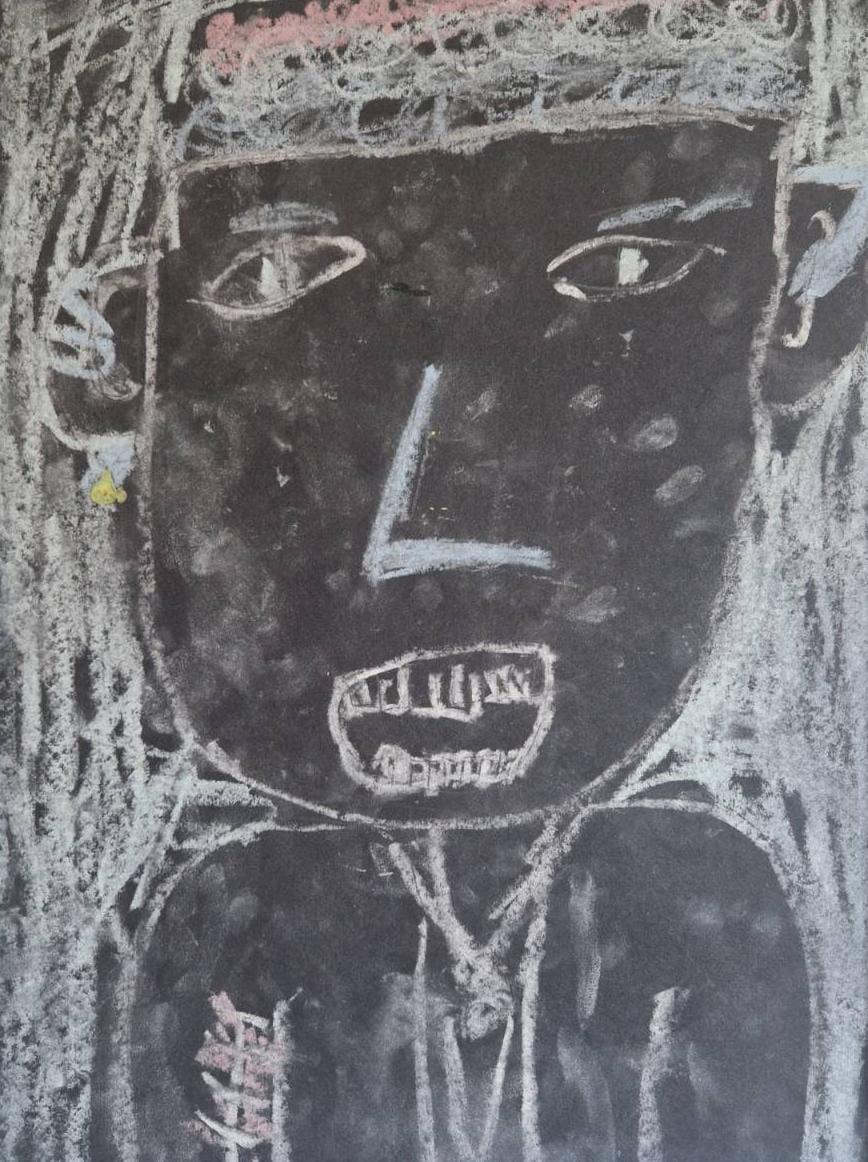
Stylised drawing of a young man, with white and pink chalk on black paper.

NHS failings

Isaac received a diagnosis of gender dysphoria from the NHS England Gender Identity and Development Service (GIDS). However, the clinical timelines were so slow at GIDs that this diagnosis came too late for him to access any medical treatment before the clinic closed in 2024.

Like many of young people, Isaac has found the new NHS trans healthcare clinic for under-18s – the Children and Young People’s Gender Service  – to be traumatic and abusive. He also has no hope of being prescribed medication there.

For more information on young trans people’s terrible experiences at NHS clinics, see Dr Cal Horton’s article, “The worst thing I ever experienced

How much money does Isaac’s family need?

We are aiming to raise up to £8000. This is to cover the cost of the following for up to three years:

  • Diagnostic appointments
  • Subscription to a private clinic
  • Medication costs
  • Blood tests

Isaac’s family may save on some of these costs if they can find a GP who will provide shared care and blood tests. However, this is not guaranteed.

If Isaac’s treatment costs less than the money raised, any remaining donations will go towards a top surgery fund for when he is an adult.

If there is still remaining money not spent on Isaac’s healthcare, the family will donate this to fundraisers for other trans kids and/or other trans people of colour.


*Isaac, of course, is not his real name. However, the image for this campaign is a self-portrait of his future self that he drew when much younger. Isn’t it amazing?

Labour’s Section 28 is here – act now

In May 1988, the Conservative government introduced Section 28. This legal measure outlawed support for “homosexuality as a pretended family relationship” across Britain, especially in schools. While Section 28 was eventually repealed between 2000 and 2003, it has had a long legacy of harm. Most LGBTIQ+ people who lived through it have never forgiven the politicians responsible.

In February 2026, following a similar pattern of escalating moral panic and extremist rhetoric against trans people (including non- binary people), the Labour government looks set to introduce its own version of Section 28, in the form of proposed revisions to the guidance on “keeping children safe in education” in England. These proposals seek to erase trans children: through extreme restrictions on social transition, toilet and sports bans, and censorship of the word “trans” itself. Like Section 28, they will most likely also create a wider chilling effect, reducing support for lesbian, gay, bi, and gender-nonconforming young people as well.

There are some important differences between the situation in the 1980s and today. Section 28 provided a strong rallying point for action in part because it was a single, explicitly homophobic, and powerfully impactful legal clause. Labour’s transphobia has been a lot more piecemeal, and complicated by an endless series of messy court cases, including this week’s extremely unclear High Court ruling on proposed segregation measures in the workplace and public services. Meanwhile, many Labour politicians continue to claim that they oppose transphobia, even as they support the most actively transphobic government in British history.

It is for this reason that we need to be loud, clear, and explicit about the active danger posed by Labour government policy. And this danger is explicit in the new proposals for “keeping children safe in education”.

Protest outside EHRC HQ, 2025. Photo from Trans Kids Deserve Better.


What is the new schools guidance?

“Keeping children safe in education” is statutory guidance for schools in colleges in England. As “statutory” guidance, the document effectively operates as part of English law. It is regularly updated by UK governments, and the Labour government is now consulting on proposed revisions for 2026.

It is these proposed revisions that pose a threat to the safety of young trans people.

Importantly, this is not the same as the draft non-statutory guidance on “Gender Questioning Children” introduced by the Conservative government in late 2023. That guidance was not law, and was never formally adopted by the government – although in practice, many schools changed their policies and practice because of it.

However, Labour’s new proposed revisions to the guidance on “keeping children safe” are clearly influenced by that Conservative document, as well as the Cass Review, and the 2025 anti-trans Supreme Court judgement in For Women Scotland vs The Scottish Ministers.

In 2023 I outlined some key issues with the Conservative guidance. Here are those points, with notes on what has changed or been kept the same, as Labour seek to bring the Tory proposals into law.

  • Trans students are presented as an implicit danger to themselves and others. This is still effectively the case in the 2026 proposals, which position a young person coming out as a major safeguarding issue.
  • Schools are told to out trans students. This is still effectively the case in the 2026 proposals, which ban measures to protect trans students’ privacy (see toilets and changing rooms) and encourage schools to tell parents if their child is is “questioning their gender”.
  • Schools are encouraged to intentionally misgender students. This is still effectively the case in the 2026 proposals, which draw on the Cass Review to discourage support for social transition.
  • Schools are told to ban trans girls from girls’ toilets and changing rooms, and ban trans boys from boys’ toilets and changing rooms. This point is made even more strongly in the 2026 proposals, which draw on the 2025 Supreme Court decision to call for a complete trans toilet ban.
  • School uniforms should be worn according to “biological sex”. This is one of the few Tory proposals which has been dropped from the 2026 proposals. The new proposals instead state that schools and colleges “should consider adopting policies across school and college life that maintain flexibility and avoid rigid rules based on gender stereotypes”.
  • For sports, schools are told to “adopt clear rules which mandate separate-sex participation”. This is still the case in the 2026 proposals, which explicitly ban participation “in sports designated for the opposite sex”.
  • The guidance entirely ignores legal protections for young trans people. This is almost entirely the case for the 2026 proposals, which acknowledge possible Equality Act protections on the grounds of “gender reassignment” in one short footnote.
  • The guidance does not actually use the word “trans” once. This is still the case in the 2026 proposals. Young trans people are instead referred to as “gender questioning“. The document also uses the term “LGB” instead of “LGBT”. The language of trans or non-binary identity and experience is entirely erased.

Safeguarding and risk

“Keeping children safe in education” is a safeguarding document. The idea of the guidance is to manage risk, and help prevent harm to young people. Yet the Labour government’s proposed changes will have the opposite effect.

Discrimination and exclusion hurts people, especially young people. If implemented, the new guidelines will ensure that schools cannot possibly be an affirming or safe space for young trans people. Trans Kids Deserve Better, a campaign group run by and for young trans people, explain how harmful this is in their post “We demand the Department for Education axes its transphobic guidance”:

[The proposed guidance] does not centre the wellbeing of trans kids, rather this puts us through scrutiny and invasive questioning when we need support. The guidance of course neglects to mention the negative mental health effects for being denied a social transition. As one adult who was only able to transition later in life said, “Social transition as a kid would’ve let me be a kid – figuring out what kind of person I was and how I related to the world around me. Instead, I only knew that I was different and weird, isolated and stunted. It took me a full decade of self-loathing in adulthood to begin unpacking everything and growing into myself in the way I should’ve been allowed to so much earlier.”

This will be especially dangerous for the many young trans people who do not have a safe home environment, due to the transphobia of their parents, carers, or guardians. My own research has shown how an absence of affirmation can put young trans people at risk of sexual exploitation and statutory rape. These risks can be mitigated where people are able to socially transition in a safe, supportive environment.

This leads me on to the biggest issue with the proposed guidelines: their fearmongering and misinformation around social transition.

Social transition

Social transition describes a range of things a person might do to affirm their own gender. These things might include: a change of clothes or haircut, a change of name, and/or a change in pronouns. Social transition describes a series of choices that are linked to coming out as trans or otherwise gender diverse (e.g. non-binary, genderqueer, genderfluid). Social transition can also be a stage of experimentation or questioning, where young people figure out what is right for themselves. The changes we make may be temporary, or permanent: but regardless, these are deeply personal decisions.

In the Labour government’s proposed changes to the “Keeping children safe in education”, social transition is represented as a problem. The document recommends that “Schools and colleges should take a very careful approach”, and that “Primary schools should exercise particular caution, and we would expect support for full social transition to be agreed very rarely”. It further states that “a [school’s] decision relating to social transition may not be the same as a child’s wishes”.

This guidance is justified through reference to the final report of the Cass Review, a document which pathologises social transition by insisting that it should only be undertaken with medical guidance. This recommendation is as dangerous as it is offensive. Social transition is a personal decision linked to coming out. Doctors should have no role in deciding how someone dresses, or what name or pronoun they use.

The Cass Review has been widely discredited and condemned globally by researchers, medical practitioners, and community groups with relevant experience and expertise. This is in part because its most controversial recommendations are informed by pseudoscience and misrepresentation of evidence. For example, the Cass Review found no actual evidence of harm caused by social transition. Instead, it positions transition as a problem in and of itself. Its recommendations have been adopted as part of an eliminationist drive to erase trans existence entirely.

Speaking to the Metro , Dr Cal Horton, an expert in trans childhood, explained:

Trans children need to be supported and respected in order to be safe at school, in order to access their right to education, in order to enjoy their childhood. Instead, we are seeing a complete ban on access to appropriate toilets, PE, accommodation on school trips, a complete erosion of their rights. It will lead to children avoiding the bathroom, avoiding exercise, missing out on school trips, dropping out of school, losing any hope of education, equality, friendship, happiness.

I agree with Dr Horton. Furthermore, I believe these are the intended outcomes of the new Labour government proposals. As with Section 28, young people are presented with a choice between state-mandated abuse, or staying in the closet. The overall aim is to stop trans children from existing altogether.

As with Section 28, these hateful guidelines will never fully succeed in their aims. If implemented, they will certainly cause enormous harm. Yet trans kids are powerful and know their own minds, and many will continue to come out.

It is incumbent on us to fight with them for liberation.

Act by 22 April

We have two months to fight back against the Labour government’s new Section 28, as a consultation on the proposed guidelines is open until Wednesday 22 April.

One of the most obvious things you can do is respond to the consultation. This will likely be a long and discouraging process, so if you choose to respond, I encourage you to give yourself as much time as possible to work on it.

A really good consultation response guide has been jointly prepared by The Proud Trust, Allsorts, and The Kite Trust.

Transparent Action are also collecting evidence from parents to inform their response to the consultation.

You can find the UK Government’s consultation page here. Note that they are consulting on a series of wider changes to the “Keeping children safe in education” guidance, not just the section on “gender questioning children”. Scroll to the bottom of the page for consultation document, full draft guidance, and a summary document.

At the same time, you may quite reasonably distrust government consultation processes at this point. I know I do. The consultation on the EHRC’s trans segregation plans last summer received approximately 50,000 responses, which were fed into AI instead of being read by human beings. If media reports from the likes of The Times are to be believed, the EHRC then simply produced the same hostile guidelines they were planning to all along.

Fortunately, there are a lot of other things you can do to oppose Labour’s new Section 28, including:

  • Writing to your MP
  • Organising against the proposals within your union
  • Organising against the proposals with other parents or students
  • Asking your local school’s headteacher or board of governors to speak out against it
  • Banning the Labour Party from your local Pride (if they’re not already banned!)
  • Supporting trans youth groups
  • Supporting youth-led campaign groups, especially Trans Kids Deserve Better
  • Planning or supporting protests against the Government, Department for Education, and Labour Party

I’ve written about these ideas and more in two previous blogs posts. Both are also available as downloadable zines, so feel free to share these freely, either as PDFs or through printing them out and sharing them around.

I am hoping to update the first one at some point to more explicitly address the latest proposals. However, I am not realistically sure when I will have the time or capacity. You are therefore welcome to create your own updated version too if you want, as long as you don’t sell it for profit, or misrepresent any of my original words or messages.

If you seek to understand criticisms of the Cass Review, or collate evidence for sharing others, I am maintaining an ever-growing roundup of academic research, commentary from medical experts, and statements from community groups here:

Alternatively, Abigail Thorn of Philosophy Tube has produced a fantastic, accessible video on conversion practices, which includes strong sections on the Cass Review and current UK government policy:

…and if we fail?

The original Section 28 was met with a storm of protest. LGBTQ people rallied across the UK. Ian McKellen came out as gay on live radio to speak out against it. Lesbian activists disrupted the BBC news, and abseiled into the House of Lords. The campaign group Stonewall was founded to oppose the new law.

None of this succeeded in stopping Section 28. But it did provide the initial momentum for a long, gruelling, yet eventually entirely successful campaign for its repeal. In the process, an entirely new wave of campaigning groups and activists emerged – including Queer Youth Network, where I cut my own teeth as a young campaigner.

The Conservative Party, meanwhile, never fully shook off the legacy of Section 28. They are still distrusted by many queer and trans voters for the harm they caused to entire generations.

If the Labour Party similarly proceeds with its plans for trans segregation and erasure in schools and beyond, we must never forget. Their legacy will be one of bigotry and hatred – and it is up to us to ensure their policies fail.

Protest outside the Department for Education, 2025. Photo from Trans Kids Deserve Better.

[post updated 21/03/26, adding the consultation guide from The Proud Trust, Allsorts, and The Kite Trust, and a link to the new Philosophy Tube video on conversion practices]

[post updated 01/04/26, adding a quote from Trans Kids Deserve Better following their latest protest outside the Department for Education]

Did you find this post helpful? Want to read more?

Don’t rely on corporate social media – subscribe now to receive new posts whenever I write them.


Trans children’s rights and the UNCRC – new article and interview

I have a new article out, co-authored with Dr Cal Horton. It’s about the incorporation of UN convention rights into Scottish law, and what this should (in theory) mean for trans children in Scotland and beyond. The article is totally open access so anyone can read, download, and share it anywhere. You can peruse a copy right here:

The United National Convention on the Rights of the Child and the Rights of Trans Children in Scotland
The International Journal of Children’s Rights

In recent years I’ve felt increasingly critical of human rights as an artificial framework for behaviour, which is frequently ignored or manipulated by those in power. As Nat Raha and Mijke van der Drift put it, these are “human rights for human resources”. Nevertheless, the UN Convention on the Rights of the Child (UNCRC) is now part of Scottish law, and Scottish children and policymakers alike are being informed that this conveys certain expectations for how young people are to be treated.

Cal and I believe it is important to reflect on what this all means for people seeking to work in a humane way with trans children, in Scotland and beyond. In particular, we emphasise the importance of directly involving young people in conversations and decision-making about their own lives. We draw on the demands of young people themselves in doing so, including groups such as Trans Kids Deserve Better Scotland, who note that policymakers have actively ignored young trans people by “by shutting trans bodies and voices out of every room that matters [and] pretending we don’t exist.”

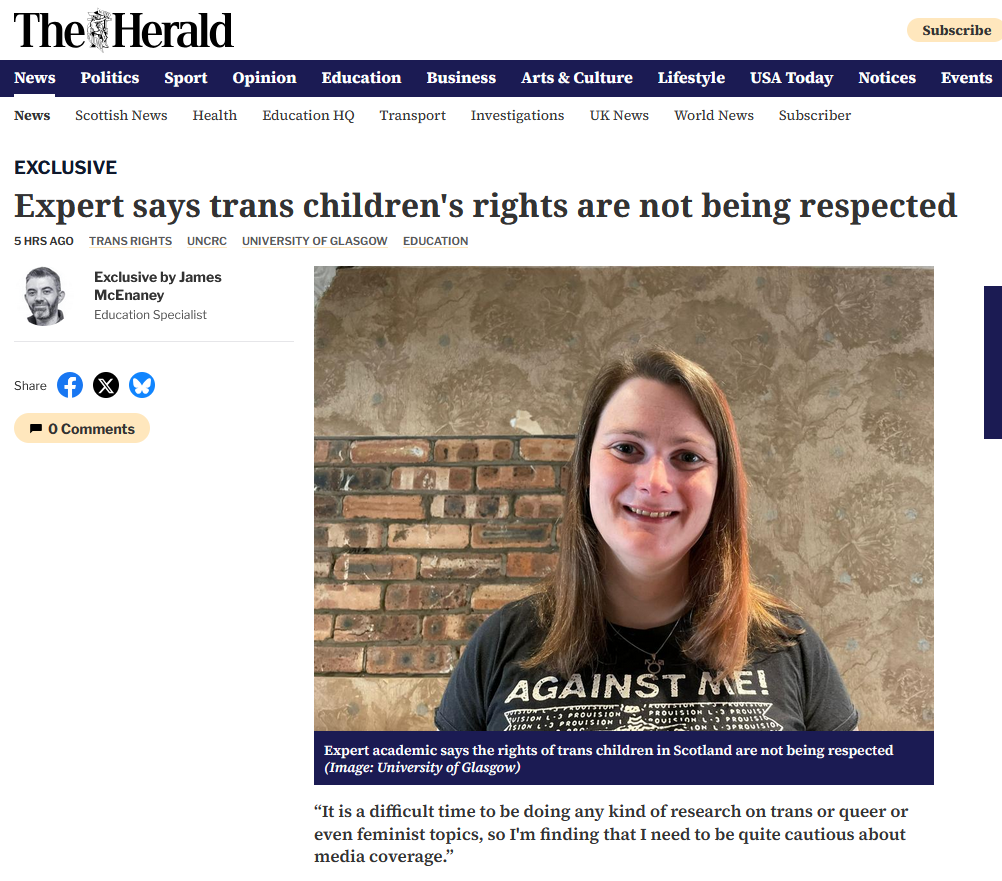
This weekend also sees the publication of an interview I did for the Herald about the UNCRC article. In this, I discuss the findings of my research with Cal. I also reflect more generally on the situation faced by trans studies researchers, in which it is increasingly hard to conduct trans-positive research even as the UK government and funding bodies throw millions of pounds at anti-trans researchers.

Screenshot of the Herald newspaper website. The article header reads: Expert says trans children's rights are not being respected. Exclusive by James McEnaney. There is a photograph of Ruth Pearce, a smiling white woman with shoulder-length brown hair who is wearing an Against Me t-shirt. Below the image is a quote from Ruth: "It is a difficult time to be doing any kind of research on trans or queer or even feminist topics, so I'm finding that I need to be quite cautious about media coverage.


We end the interview with key three takeaways regarding what can be done to protect the rights of trans children, in Scotland and beyond:

“Number one would be to genuinely consult with young trans people and ask what they want and need. They deserve real and meaningful consultation.

“Number two is that there is a huge amount of knowledge that already exists, both on young trans people’s experiences and on how to consult with young people. Draw on the knowledge that already exists.

“And number three is to acknowledge that there is a trans-eliminationist movement. Acknowledge that there is an active attempt to stop anyone from doing the first two things.

“There’s an active attempt to stop any anyone taking seriously what young trans people have to say about their own lives, and an active attempt to stop any accessing of existing knowledge, and that comes from a place of prejudice.

“One of your starting points has to be acknowledging that that exists.”

Puberty blocker consultation: my response

In early September I recieved an email from the Department for Health and Social Care, inviting me to participate in a closed consultation on the Labour government’s proposed extension of the Tory ban on puberty blockers. The deadline was 1st October 2024.

September was already extremely busy. I started the month at the International Trans Studies Conference in Chicago, and ended it at the WPATH Symposium in Lisbon. In the meantime I was faced with various writing deadlines, administrative tasks, and the start of a new teaching semester. The small number of other academic experts and voluntary organisations who were also invited to respond no doubt faced very similar challenges with the short notice and unforgiving deadline.

Nevertheless, I scrambled to respond. Like Cal Horton, I regard government consultations on trans healthcare to be inherently abusive at this stage; as I wrote to the Nuffield Council on Bioethics in 2018, “we respond not with hope or optimism, but in fear. This is the power you wield over us”. Given the turgid vibes found in recent political discourse, I also held little hope of a long-term ban being prevented. However, it seemed worth using what little prestige I have as an academic to at least try to encourage the government to listen to actual evidence.

Trans Writes are now reporting that an extension of the ban until 2027 is on the cards for Britain, following a unanimous vote on the same by the Northern Ireland Assembly. With this in mind, I am now publicly sharing the evidence I provided in the closed consultation, plus slides from an oral presentation to the Commission on Human Medicines, who advised the Government.

I don’t think for a moment that sharing these materials will change anything in the short term. However, I feel it is important to put them in the public realm now for the sake of transparency.

Going forward, I hope the work that many of us have done in building and sharing an ethical base for the ethical provision of trans healthcare will make a difference. In the meantime, there is an important lesson here about relying on existing, unequal systems of power and control. As Nat Raha and Mijke van der Drift argue in their new book Trans Femme Futures, making demands of institutions leaves the power in their hands. It is more important than ever for trans people to build power and knowledge within our own communities, in collaboration with others.

We have survived worse in the past by sharing information, ideas, and life-changing medication between us, and we will do so again.

Regarding the Charity Commission and Cass Review

I was relieved to see today that the Charity Commission’s investigation into Mermaids has finally concluded. The Commission’s published decision found that Mermaids was mismanaged in several respects, but did not find evidence of misconduct, especially in terms of safeguarding young people or providing medical advice.

This is great news in that Mermaids can now continue to operate as a charity and seek funding from relevant agencies to do so. The organisation clearly faced an enormous squeeze during this time, that significantly affected service provision.

However, I am concerned by the language used around the Cass Review in the Commission’s report and accompanying press release. I feel much of this language is deeply misleading and demonstrates considerable ignorance regarding the Review. At the same time, I feel there are some good, practical recommendations in there for charities which face potential harassment from media reporting and on social media.

Logo for the Charity Commission for England and Wales


Binders

The most concerning statement can be found in the Charity Commission’s press release, concerning Mermaids’ former provision of binders to young people as a harm reduction measure:

The Commission has issued statutory advice to the charity requiring that, should it ever resume this service, its future policy and controls should reflect the recent Cass Review, or any future NHS guidelines on parental involvement.

The Cass Review does not, of course, actually make any formal recommendations for non-medical service providers – moreover, its commentary on social transition is not well-evidenced.

However, the Charity Commission decision quotes the final report of the Cass Review, which states that “parents should be actively involved in decision making unless there are strong grounds to believe that this may put the child or young person at risk“. This would appear to align with Mermaids’ actual policy, which was to work with parents, families, or carers unless a young person was not directly supported. The issue, of course, is that the Charity Commission (and, indeed, the Cass Review team) do not fully interrogate or understand the considerable risks posed to young trans people by unsupportive parents.

I am increasingly of the impression that policymakers are taking all kinds of decisions without having read the Cass Report in any detail, let alone with a critical eye. This would appear to be another example of this.


Having “regard” to the Cass Review

Similarly, in a sub-section of the decision report titled “Implementing the findings of the Cass Review”, the Charity Commission recommends that trustees working with “children and young people who are questioning their gender identity or experiencing gender dysphoria” need to “ensure that they have regard to the findings, conclusions and recommendations of the Cass Review and ensure that they have reviewed their charity’s literature, website and guidance in light of them“.

This statement is, I believe, being wilfully misinterpreted on social media and in media commentary. For example, the Standard’s report on the decision leads with the headline “Charities should follow Cass Review recommendations, say watchdog”. However, that is not what the decision actually says.

In the UK, “have regard” means that organisations should take account of guidance and carefully consider it. An example of this can be found in the Charity Commission’s rules for charities on public benefit:

As a charity trustee, ‘having regard’ to the commission’s public benefit guidance means being able to show that:

  • you are aware of the guidance
  • you have taken it into account when making a decision to which the guidance is relevant
  • if you have decided to depart from the guidance, you have a good reason for doing so

In the current political climate, this strikes me as an eminently sensible approach to the Cass Review. I would expect all service providers and researchers to be aware of the Review’s final report, to take it into account, and (for the purpose of defending against bad faith actors) be able to provide good evidence for acting otherwise.

Going by a statement from Mermaids Chair Kathryn Downs for Third Sector, this appears to the charity’s planned approach to having regard:

The Cass Review final report is the highest-profile review of youth healthcare in the world and has influenced NHS England’s policies. However, it is not legislation or guidance.

She then goes on to emphasise that Mermaids’ advocacy and policy work will continue to be “driven by and give a platform to the voices of young trans people“.


We deserve better from the Charity Commission

Overall, I feel this is good news for Mermaids, and for trans organisations more generally. However, the language used by the Charity Commission, especially in their press release, really muddies the water by providing considerable grounds for bad faith interpretation.

It’s also deeply frustrating to see the Cass Review continually upheld as a paragon of policy advice. Trans people know that the Review was conducted by non-experts and involved individuals hugely hostile to our very existence. As a researcher, when I open the final report I see a methodological and ethical nightmare. The Cass Review is an example of runaway bad science, treated as an article of faith by mainstream decision-makers, many of whom haven’t actually read it.

I don’t think it’s unreasonable to speculate that the Charity Commission’s final decision reflects the influence of transphobic actors. Two years is an extraordinarily long time for an investigation to take place, and surely does not serve the interests of the young people Mermaids work with. Earlier this year the Commission’s Twitter account “accidentally” shared a transphobic post claiming (without evidence) that the charity had caused “so much harm”, calling into question the independence of the investigation.

I’ve been critical of Mermaids myself in the past, especially given I did not feel appropriately supported by them when I came out as a teenager. I am sure I will continue to be critical in the future. However, I hope this criticism can always be both constructive and grounded in reality, recognising our shared interest and care in building a better future for young people.

I’ll end this post, then, by amplifying Mermaids’ demand for better:

…the time taken to publish this report has been frustrating, significantly affecting Mermaids’ fundraising and ability to deliver on our charitable objectives. We call on the Charity Commission to ensure that organisations serving groups facing rising hostility are supported and protected, whilst being held to account where this is necessary.

Out now in Scientific American: “The U.K.’s Cass Review Badly Fails Trans Children”

I have co-authored an article with Cal Horton for the science magazine Scientific American. We take a concise look at what the Cass Review is, what it found, why the methods used were troubling, and how it is being used to harm young people.

You can read the article here. I hope it will be helpful as a basic explainer for why trans community groups, academic experts, and clinical specialists are so concerned about the Cass Review.

Screenshot of Scientific American website.

Writing for Scientific American was a really interesting experience. It was of course radically different to publishing in a peer-reviewed journal: we put the piece together in a matter of weeks, and it was not scrutinised by academic experts from our specific field of study. At the same time, there was an extremely rigorous editorial, fact-checking, and copyediting process that also made it very different to publishing in most magazines or newspapers.

I was deeply impressed with the sheer amount of time and care the Sci Am editors put into this piece. On one hand, their contributions ensured the piece is written in accessible language, with an international (and especially US-based) readership in mind. On the other hand, we had extensive discussions to ensure that all points made in the article could be rigorously evidenced, including some very detailed exchanges about the specifics of UK law, and what exactly the Cass Review document does and does not have to say about exponential growth over different periods of time. We had to be able to strongly back up any even slightly contentious point.

It was a challenging experience, but one I felt very held by as an author committed to consciencious research practice. Publishing this piece in Sci Am definitely ensured that it was as good as it could possibly be.

Trans Kids Deserve Better – protest at NHS HQ

Young trans people have been leading an incredible protest at Wellington House, the London headquarters of NHS England. They have been holding space on a ledge of the front facade since London Pride on Saturday 29 June.

The protesters will be coming down today (Tuesday 2 July) and have called for supporters in London to join them at a rally from 4pm.

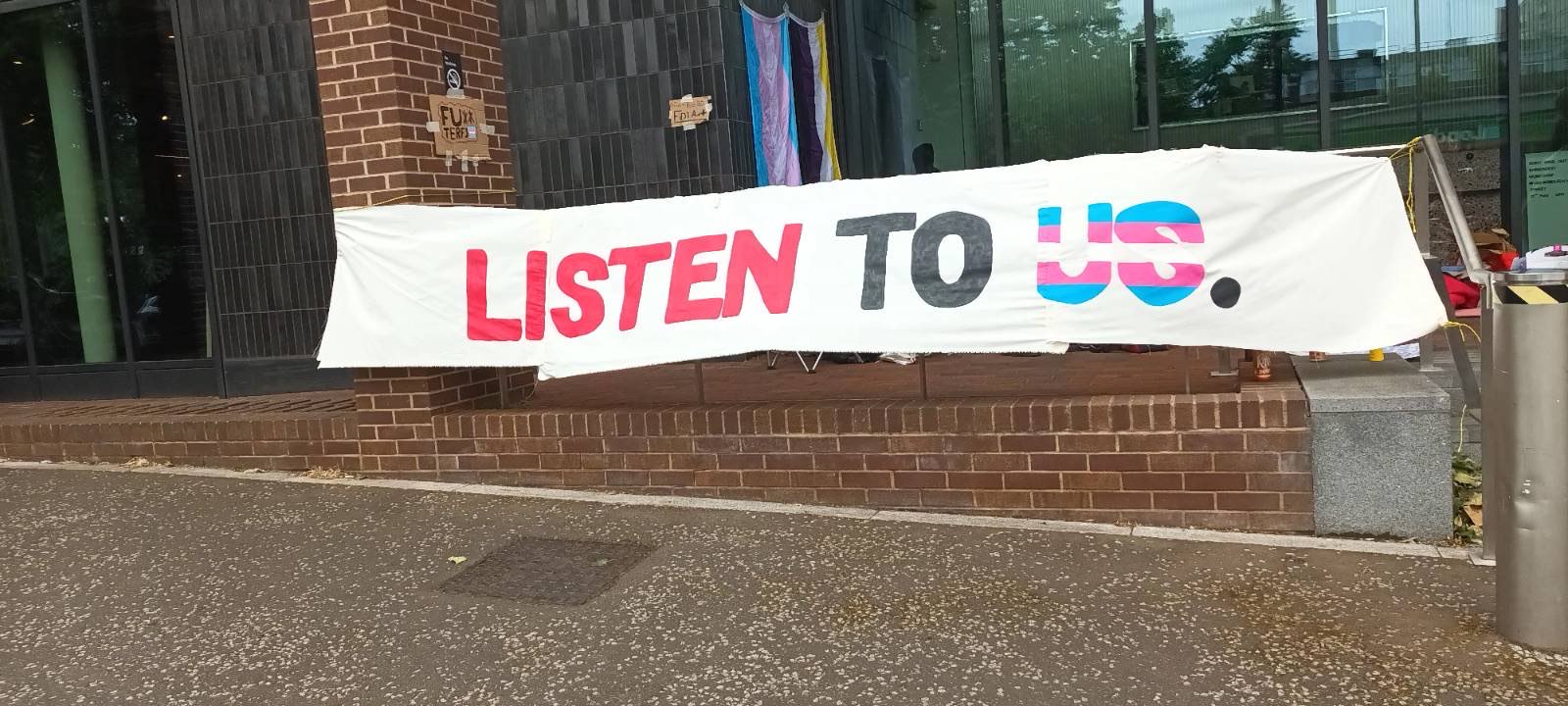
Photo of a group of people sitting on a ledge of a building, with towering pillars and glass windows behind them. They are holding a large banner which reads "We are not pawns for your politics". They have decorated with the windows of the building with trans flags, placards, and the words "trans kids deserve better".


The action powerfully highlights the repeated failure of UK politicians, the mainstream media, and NHS bodies to truly listen to young trans people about their experiences and needs. This is perhaps most powerfully seen in the Cass Review, which has systematically excluded expertise and evidence from trans people in formulating its recommendations, and in trans healthcare bans implemented for under-18s in England in Scotland. Meanwhile, the Labour party are promising to uphold these bans and implement a range of deeply transphobic policies should they win the election on 4 July.

These concerns are powerfully highlights by the protesters themselves. In Diva, a 17 year old activist explains:

“Decisions are being taken that affect our lives without any trans people in the room, let alone trans young people. Too often trans kids are portrayed as a monolith of confused, depressed teenagers. We are denied choice and robbed of our autonomy. But we should be trusted to make the same decisions about our healthcare that all people are. 

In every other way I am trusted when I tell people what I want to do with my life. But not now. There is so much real anger out there and we hope our actions will encourage others to fight for a voice, and the healthcare and dignity that we are currently denied.”

Another protester explained to Pink News:

“We are staging this protest to remind politicians and voters that we’re real kids, not just political talking points. We may not have a vote, but it is our lives that are at stake. Gender-affirming healthcare is a matter of life and death for us and we hope our actions will bring awareness to this fact and encourage others to fight for the healthcare and dignity we are so shamefully denied.”

As a former youth activist working in this field for almost two years now, I am hugely heartened and inspired by this powerful protest. In the face of institutionalised violence and silencing, young trans people are seizing the narrative. It is up to us adults to listen, learn, and fight alongside them.

New article: “Child rights in trans healthcare”

Image of the cover for the International Journal of Transgender Health

I’m pleased to announce that Child rights in trans healthcare – a call to action has just been published as an advance article in the International Journal of Transgender Health. I helped to co-author it alongside an international team of expert researchers and clinicians, including Cal Horton, Jaimie Veale, TC Oakes-Monger, Ken Pang, Annie Pullen Sansfaçon, and Sophie Quinney.

This article is an editorial, reflecting on the current landscape of policy and practice regarding children’s rights within trans healthcare:

In this editorial we first call attention to the importance of child-rights informed policy and practice in trans healthcare. We outline critical pillars of rights-respecting healthcare for trans, gender-diverse, and gender non-conforming children. We highlight the importance of embedding rights within service delivery, discussing the need for child participation in healthcare design, evaluation and accountability. In the second section of this editorial we articulate and call attention to a sector-wide ethical duty of care to children, building a sector where child rights violations are no longer tolerated. We highlight the responsibilities of all trans healthcare stakeholders and professionals, including those in adult trans healthcare, in ensuring a sector-wide shift to ethical and rights-respecting practice.

The article can be read for free here.