I’m featured in the voiceover of this trailer for the forthcoming documentary TERF Island! You can hear me reflect briefly on the limitations of trans liberalism, as well as the threat posed to the cis / sexist world order by the possibility of real liberation.
TERF Island will explore trans people’s every lives in the UK, looking at everyday experiences of art, culture, and community against the backdrop of rising hatred and discrimination. I have contributed by sharing some of my research with the creators at Hissing Goose Films. The film also features contributions from a range of amazing groups and people, including Cheap Dirty Horse, transkaters, Tribe Incorporated, CAMP Wrestling, Olivia Campbell Cavendish, Jazmeen Qureshi, What The Trans, and Shivani Dave.
Hissing Goose are now crowdfunding to finish off the film. You can learn more here.
Please do share and/or donate to the crowdfunding page if you can!
It was the largest trans protest in British history.
We travelled from across the country to central London. We were joined by allies, especially cis gay, lesbian, bisexual, and queer people who recognised the importance of solidarity, of standing together in this moment. Wielding bright flags and banners, we gathered in unprecedented numbers. We to were here to raise our voices against the institutionalisation of transphobic hate and abuse, to oppose calls for exclusionary policies and trans healthcare bans.
I couldn’t possibly miss this, so travelled down on the train from Leamington Spa with my home-made placard. Looking around after I arrived on that cold winter night, I marvelled at the sight. There were so many of us. Maybe as many as 150, or even 200! And my friend Jo even brought a home-made trans flag with them, which was an amazing thing to see outside of the internet.
The year was 2008, and we assembled outside the Victoria and Albert Museum to protest the annual Stonewall Awards. The UK’s largest LGB charity had nominated the Guardian journalist Julie Bindel for an award, despite – or perhaps even because of – her notorious transphobia. The protest was called by the London Transfeminist Group, and supported by a range of other organisations, including Queer Youth Network, Trans Youth Network, and the National Union of Students (NUS) LGBT Campaign.
Afterwards, we gathered at a local pub and talked excitedly. The protest was a massive embarrassment to Stonewall, and through grassroots organising we had shown we could bring trans people and allies together on a scale that never before felt possible.
How could we build on this power, and what might the future bring?
***
It was the largest trans protest in British history.
Trans people travelled from across the country to central London. They were joined by allies, especially cis gay, lesbian, bisexual and queer people, plus parents and family members, trade unionists, and celebrities who recognised the importance of solidarity, of standing together in this moment. Wielding bright flags and banners, they gathered in unprecedented numbers. They were there to raise their voices against the institutionalisation of transphobic hate and abuse, and to oppose exclusionary policies and trans healthcare bans.
Photo by Aaron Chown/PA. Compare and contrast…
I wasn’t in London for Trans Pride 2026. I’m involved in plenty of protests and community events in Glasgow these days, from last year’s noise demonstrations outside the EHRC headquarters, to the incredible Solidarity Pride Hub, which filled the Pyramid at Anderston with amazing talks, workshops, and stalls led by trans and queer organisations. Nevertheless, watching online as the images came in was pretty incredible. A reported 150,000 people took to the streets, just one week after thousands more gathered for Trans Pride Brighton.
How can we build on this power – and what might the future bring?
***
For decades, the trans liberation movement has fought to change the world. We found new ways of being, and created language, art, and culture to name and explore these possibilities. We won new civil rights. We achieved incremental improvements in the provision of healthcare and education. We have made it a fair bit easier for many people to exist in the workplace, and to survive on benefits. We have built community: feeding each other, housing each other, and providing advocacy for each other, and partying together.
For all the achievements of the trans liberation movement, many of us have continued to struggle enormously in the face of interpersonal and institutional violence. This is especially the case for those more likely to be left behind by liberal trans activism, including disabled trans people, trans migrants, trans people of colour, and trans sex workers. Trans communities have also handily replicated the structural misogyny of the wider world. As a result, paid roles in advocacy, charity work, and the arts remain dominated by trans men and transmasculine people.
Meanwhile, through becoming more visible, we have become more vulnerable. Through being acknowledged within institutional frameworks, we have become more identifiable. Through asking for respect, we have become a problem. Through entering political conversations, we have become scapegoats.
Cis “centists” are often swift to blame trans people for our own problems. If we’d just been more polite, more accommodating, and less demanding.
Trans people also frequently assess our movement’s activist strategies. Sometimes this will be helpful. For example, there are lots of productive discussions happening right now about the respective merits of lobbying people in power vs building power in our communities from the ground up. Other times, certain trans people will say we have gone too far, demanded too much. If only we’d been more respectable. If only we’d laid off the pronouns. If only we could agree on a nice, clear definition of “trans”. If only we gave up on those confusing non-binary identities. If only we’d let children be children.
***
I came out to myself and my friends while in school, transitioning as a teenager in the early 2000s. I cannot emphasise enough how unusual this was – and consequently, how lonely and isolating my experiences were. We had so little information. Most out trans people at this time were middle-aged or older, and I didn’t have any opportunity to meet them. Being a trans teenager felt like a complete impossibility.
My transition had three key enablers. The first was my own sheer bloody-mindedness. The second was the support I did find and receive from others. And finally, I benefited from an enormous dose of luck.
After years of fruitless online searches for anything that would explain my feelings and my needs, I found a US web forum run by and for young trans people, providing invaluable advice and a sounding board. I wasn’t sure at the time whether I was a real transsexual, or just one of them fake cross-dressers. The broad, fluid language of transgender identity and experience meant that this artificial distinction didn’t actually matter. The important thing was solidarity: gender diverse people standing together in the name of our shared interests. This enabled me to explore what I might need and desire in an open-ended way with other people my own age, without feeling that I had to transition in any specific way or on any particular timescale.
In the offline world, none of my teen friends understood what I was going through. But they supported me unconditionally. My early romantic partners also had my back. One took me shopping, and helped me figure out my style. Another gave me my name.
I first went to see a doctor for help with medical transition aged 15, but I failed to receive a gender clinic appointment until I was an adult. This didn’t feel lucky at the time, but looking back, it was an enormous stroke of fortune. Through spending years on waiting lists, I avoided the conversion therapists who then – as again now – dominated child and adolescent services.
During these teen years, a schoolteacher – unable to provide me direct advice herself due to Section 28 – referred me to a free counselling service provided by a local charity. I remember my counsellor asking me, “do you think you are part of oppressed minority?” I wasn’t quite sure. Maybe? Probably?
Given the luck I had experienced, I did not understand how much I had already been let down. I did not fully comprehend the sheer void of information on trans existence. I did not realise that my self-hatred and self-denial was the fault of damaging social norms and expectations, rather than something broken in me. Nor did I understand how massively vulnerable I was as a result. The support of my peers meant that unlike many other young trans people, I was not subject to sexual predation: a topic later explored in my research, plus stories such as Paris Lees’ autobiographical book and TV series What It Feels Like For A Girl. I did not see how much my own internalised sexism had already warped my sense of what might be possible for me, leading me to take on a passive role in friendships with male friends who I watched play music and video games. And while I had already been beaten up or groped multiple times in the playground and the street, I was yet to experience much of the targeted transmisogyny that would accompany me into adulthood: the continued sexual assaults, the verbal abuse, the harassment, the stalking.
I didn’t know it at the time, but what I needed was trans community, and feminism.
***
I became an activist in the mid-2000s, during my early 20s. Again, a few chance events spurred me along. But I also benefited from the care and energy of others who wished to change the world.
One of the first trans people I knowingly met in person was the professional speaker and advocate Rikki Arundel. A young gay man had booked them to speak for a student event at the University of Warwick, where I was studying for my undergraduate degree. Rikki took me to a café immediately after the talk. “So”, they asked, “you want to be a trans activist?” I hadn’t asked.
Rikki nevertheless spent some time outlining advice. Get to know people in your area: community members, local politicians, policymakers. Go to meetings and become known. Build a reputation as a helpful and reliable point of contact. At every possible opportunity, leverage this to demand change, positioning it as a sensible, reasonable course of action.
Rikki’s advice was invaluable for working within liberal systems. These days, I am wary of trans liberal approaches, as these can be individualising, and lead to concessions that leave many behind. But you do not need to believe in or support a system of power to work within and against it.
Around this time I also went to my first NUS conferences. Through the NUS LGBT Campaign and later also the NUS Women’s Campaign, I shared knowledge and skills with other young people, and went to my first protests. Through these campaigns I met other young, openly trans people in person for the first time, including Mallory Moore. I learned great deal from organisers such as Mallory. They appeared to have very different beliefs to Rikki, but were, in fundamental ways, doing very similar work. Get to know people. Build connections. Identify points of common interest. Figure out where and how to apply pressure to achieve change. Where Rikki spoke to the local council, Mallory worked with local feminist groups. I found myself doing both.
***
The isolation of my teen years continued into my early adulthood. Encounters with people like Rikki and Mallory were fleeting, one-off events. I would then go entire months without knowingly meeting another trans person.
To break this isolation, I began to travel. I took a day trip to Birmingham to hang out with a slightly older trans youth activist from Queer Youth Network, an internet community I’d recently joined. I travelled to Bradford and Manchester to speak at student union meetings, arguing for the introduction of all-gender toilets. I travelled down to London to attend an event hosted by a new organisation called Gendered Intelligence, and marvelled at being in a room with over a dozen other young trans people. This event wasn’t actually very good: it only happened because it had been funded by cis academics who wanted to do some boring research. But I left to sit in the corridor and chat with other trans girls, who would become lifelong friends.
There were so few of us out because there was still so little information available, and so little in the way of community support for those who did try to come out or transition. Most trans people were spending years, decades, lifetimes stuck in the closet. But this was beginning to change.
Trans communities in the UK were benefiting from a virtuous cycle of coming out. The internet helped a great deal with this, as new resources and information spread online. But the real change came with trans people simply being a visible part of public life. Transphobes like to call this “social contagion”. I prefer Laverne Cox’s term, “possibility model”. You see a trans person getting on with their life, and realise that sex change is possible for you, too.
In so many spaces, I was patient zero for the viral spread of trans possibility. I cracked eggs everywhere I went. Every time I spoke at an event, or attended a conference, or hung out with other queers at the pub, I showed that another world was possible. Young trans people came out all around me, and in turn they became visible to others.
But coming out is just the first step. For trans lives to be liveable, we need support from other people. We need to share resources and information. We need community.
***
I remember speaking in the late 2000s or early 2010s with an older trans woman at an event in Wolverhampton. Following the repeal of Section 28 some years before, she was keen to work with schools to ensure that young trans people were never as isolated and confused as I once was. “We need education at an early age”, she said.
We did this. It was not the action of any one person or group at any moment in time, but the action of a movement across many years. Organisations like Schools OUT produced material and information for schools. Groups like Gendered Intelligence helped support the development of a knowledge base to evidence change. Individuals like myself spoke with our local councils about how they could change their policies. Thousands of teachers across the country quietly changed their curricula, introduced new approaches, and created clubs for trans and queer kids.
Meanwhile, others created blogs, youtube videos, social media posts that circumvented schools entirely, speaking directly to young people. Importantly, much of this material sought to break away from the old binaries that used to divide trans communities: male-to-female vs female-to-male, transsexual vs transvestite. With “trans” we were imagining solidarities across difference, a context in which those who did not seek medical transition sought commonality with those who did, and vice-versa. We were collectively imagining a world in which sex norms and gender stereotypes no longer governed our lives, and in which we might work together to achieve our varying desires and needs.
It is interesting to think about this former progress at a time when the UK government has produced incredibly transphobic new legal guidance for English schools, and when NHS England is actively pushing conversion practices. Trans kids now face an incredibly hostile policy environment: one that refuses to even name their existence even as it demands that they be segregated and abused.
Yet, young trans people continue to come out, to seek support and support one another, in numbers that would have been inconceivable to the protesters gathered in London on that cold night in November 2008.
***
The strange irony of trans life in the 2020s is that there are still more of us than ever. Even as external conditions become more and more hostile, the virtuous cycle continues.
Some of this is about possibility models. You can see this in Trans Pride London 2026. We are talking 150,000 possibility models on the streets in central London in one day alone. Every single one of these people sends a message to those thinking about coming out. That message says: you are valued, you are loved, and support is available. You are not alone.
Some of this is about trans-led support. While the NHS, crisis services, shelters, housing services (etc etc) have variously got better and worse over the years, they have always let many of us down. In light of this, trans people have built mutual aid networks to get vulnerable people out of dangerous accommodation, house those in need, produce and share medication, and disseminate harm reduction resources. In this context, trans diversity is vital: we need strong communities that are more interested in how we might bring our myriad of skills and experiences to bear in caring for one another, rather than obsessing over how our language and identities might differ.
Some of this is about trans art and culture. You can turn on the TV and see trans actors, comedians, politicians, and experts, on shows written or produced by other trans people. You can turn on the radio and hear trans people playing music or speaking about their experiences. In some towns and cities, you can even can go to your local gallery and see work by trans artists, visit your local pub or club or DIY venue and see trans performers, and they might even give out handy little flyers telling you where you can get your hands on HRT.
Some of this is about solidarity work from cis people. All that endless work of education over the past decades has not been in vain, however much the politicians and hateful people of this world would like it to be. Through incessantly speaking out and demanding change, and in joining with others to support their struggles, trans people have made allies everywhere. Teachers and lecturers, doctors and nurses, administrators, hospitality workers, lawyers, and many more are more likely to have access to information through their family or friends or trade unions, which help them in turn to support trans people in a hundred thousand little ways every day.
***
In 2008 we found hope in the possibility of community connection, solidarity, collaboration, and friendship. In 2026, we see what was successfully built from that hope and that possibility.
Over the last two decades and beyond, we have won trans community and connectivity on a scale that was once unthinkable. We have made allies across every part of public life. We have helped hundreds of thousands people to improve their lives. This is a historic achievement.
Today, the trans liberation movement faces off against vicious foes and their allies in the Labour government, who would see us eliminated altogether. Trans people of all ages and backgrounds are forced to navigate laws and policies designed to make our lives more difficult and more dangerous.
It is all too easy to think that the trans activism of the past has failed, that every gain has been reversed in an orgy of hate and bigotry. Yet this is simply not true.
The achievements of the past have helped prepare us collectively for the demands of this moment. There are more of us than ever, and we have successes as well as failures to learn from.
What if every person who emailed you faced the reality of the UK’s segregation regime?
Last year I created an internal auto-reply for my work email, in the wake of the 2025 Supreme Court judgement which redefined sex for the purpose of the Equality Act and undermined the civil rights of trans people in Britain. I explained the logic for this in a blog post about it:
“It is impossible for me to forget what is happening to trans people and especially trans people in the UK, so I will ensure it is impossible for my colleagues to forget this also. Equally, my intention is to transform bad feelings into understanding, and practical action.”
One year on, and the auto-reply is still there. It’s come and gone a bit, been amended and updated, and now goes to every single person who emails me, internally and externally, be they a colleague, a student, a community collaborator, a journalist, or anyone else who might be in contact. It has been impossible for me to experience any kind of normality at work during this time, so I do not believe that anyone contacting me should expect me to act as if nothing significant is happening. Most recently, I updated the auto-reply to respond to the EHRC’s new Code of Practice for Services, Public Functions and Associations, which provides a formal framework for the segregation of trans people in most areas of public life.
I know the auto-reply has been actively useful. I have received messages from people thanking me for it, and from those who have adopted it for their own purposes. The most surprising response was a hand-written letter sent by air mail from a scholar based at George Washington University in Washington DC, who had originally been in contact about peer review for a journal I edit. She very kindly thanked me for “providing background, advice regarding how to respond proactively, information regarding further reading as well as resources for those who need support“.
I was deeply moved that she took the time and care to contact me in this way. This reminded me how when we share ideas and information, it can reach and help people in unexpected ways, often without us ever knowing about it.
With this in mind, I am sharing the full text of my current auto-reply. In addition to drawing on the resources I have shared, please do feel free to copy, use, and amend the material for your own purposes if relevant.
Thank you for your email. While I have your attention, I wish to highlight the UK government’s plan to introduce a new segregation regime by 30 June 2026. This will likely have severe implications for the wellbeing of women and trans people, and will impact my ability to work safely at the University of Glasgow.
As an expert in trans studies, I outline further information and potential actions below, as well as spaces you might seek support.
–
Background
In June 2025, the Equality and Human Rights Commission (EHRC) consulted on proposed guidance for the mandatory segregration of trans people from single-sex spaces in all areas of public life. The EHRC recieved 50,000 responses to their consultation. These were not read by human beings, but instead analysed by AI, enabling them to ignore calls for a different approach.
The consultation took place against a wider background of rising hatred and intolerance towards all minoritised groups in the UK. Two of my friends died due to transphobia and transmisogyny in September 2025 alone.
In May 2026, a new draft Statutory Code of Practice Services, public functions and associations was put to Parliament, drafted by the EHRC. This provides explicit provisions for the exclusion of trans people from public life, through means that are also likely to disportionately impact women and disabled people. Simultaneously, the UK government has introduced new guidance insisting that institutions collect and report data on every person’s sex assigned at birth, which has significant privacy implications for intersex and trans people.
You can read more about these changes, including their causes and wider implications, here:
Write to senior management in your workplace, asking what they will do to support women and trans staff and/or service users, including through actively lobbying the UK and/or national governments, and ensuring continued access to women’s and men’s facilities as relevant.
Write to your line manager and ask what action they will be taking to protect women and trans staff, and what pressure they will be putting on senior management to do the same.
Write to your political representatives (e.g. MPs, MSPs) more generally. Explain exactly why you are concerned, and demand action to protect trans people’s civil rights. For example, you could ask for new primary legislation to protect trans people, ask why the UK is no longer complying with the European Convention on Human Rights, or demand the dismissal of openly transphobic commissioners from the EHRC. You do not have to write a perfect letter and it is okay to be emotional and express sorrow or anger, so long as you are not aggressive or mean. If you live in the UK, you can find contact details for your representatives here: https://www.theyworkforyou.com/.
Support trans people materially, through providing time, resources, and/or money to community initiatives. Examples include: Glasgow Trans Collective (fundraising for emergency support to people facing an immediate danger of threat to life, https://www.gofundme.com/f/glasgow-trans-collective-emergency-fund); Trans Harm Reduction (supporting safer practices for people self-medicating in the absence of NHS treatment, https://transharmreduction.org); and Five for Five (donating money every month to a range of trans women’s causes, https://www.fiveforfive.co.uk).
Check in on your trans friends and colleagues. Make sure they are okay, and do what you can to be there for them. But do your own research on what you can do to help: don’t put this burden on us. Some good places for information include the websites and social media channels for TransActual, What The Trans, QueerAF, Trans Safety Network, Scene Mag, and Trans Writes.
–
Further reading
You can read more about the EHRC proposals and recent Supreme Court judgement that inspired them here:
Women and trans people across the country, including my own friends, have reported increased abuse and street harassment, as the ruling is seen to position trans women as legitimate targets for misogyny and violence. Trans people of all genders are already even more likely to experience public harassment, sexual assault and rape than cis women (see e.g. https://bulletin.appliedtransstudies.org/article/3/1-2/3/). If the EHRC’s proposals are implemented, this will likely get worse.
Realistically, the EHRC segregation regime probably will be implemented in the immediate term. The UK government has demonstrated a clear commitment to hate and authoritarianism, and Labour MPs have little appetite for rebellion. It is important that we – you – do not lose hope as a consequence. I hope this moment helps you to focus on the struggles that lie ahead, and the collective strength we hold in the face of those struggles. With this in mind, I also recommend Josie Giles’ funeral prayer for EDI:
Additionally, I find hope and power in community organising. You can read about that in a 2025 blog post I wrote following the death of two of my friends, and a recent article by Juliet Jacques.
This auto-response is inspired by bell hooks’ comments in her book Teaching to Transgress:
“When education is the practice of freedom, students are not the only ones who are asked to share, to confess […] empowerment cannot happen if we refuse to be vulnerable while encouraging students to take risks. [Lecturers] who expect students to share confessional narratives but are themselves unwilling to share are exercising power in a way that could be coercive. In my classrooms, I do not expect students to take any risks I would not take, to share in any way that I would not share. […] It is often productive if [lecturers] take the first risk, linking confessional narratives to academic discussions so as to show how experience can illuminate and enhance our understanding[.]”
I will not necessarily respond to any replies you send to this automated message, as I am trying to stay focused on teaching, admin, and research while the world burns down around me. But regardless, thank you.
Did you appreciate this post? Want to read more?
Subscribe now to receive new posts for free whenever I write them.
This week I took the long train down to the south of England for my friend Robyn’s funeral. She died very suddenly three weeks ago, aged just 32.
Robyn gave so much love to the world, and was so loved in turn. Around a hundred and fifty people crammed into a small building for the service. There weren’t enough seats for everyone, so many stood at the back and sides of the room. I sat on the floor. More attended online.
We shared stories from Robyn’s life, learned from each other, cried together. Like many funerals, especially for young trans people, it was absolutely gutwrenching. It also helped move us towards closure. It was good to be in community together, to think and speak not just of Robyn’s past, but of our collective futures. Robyn lived life to the absolute maximum. Surely we could take inspiration from her example.
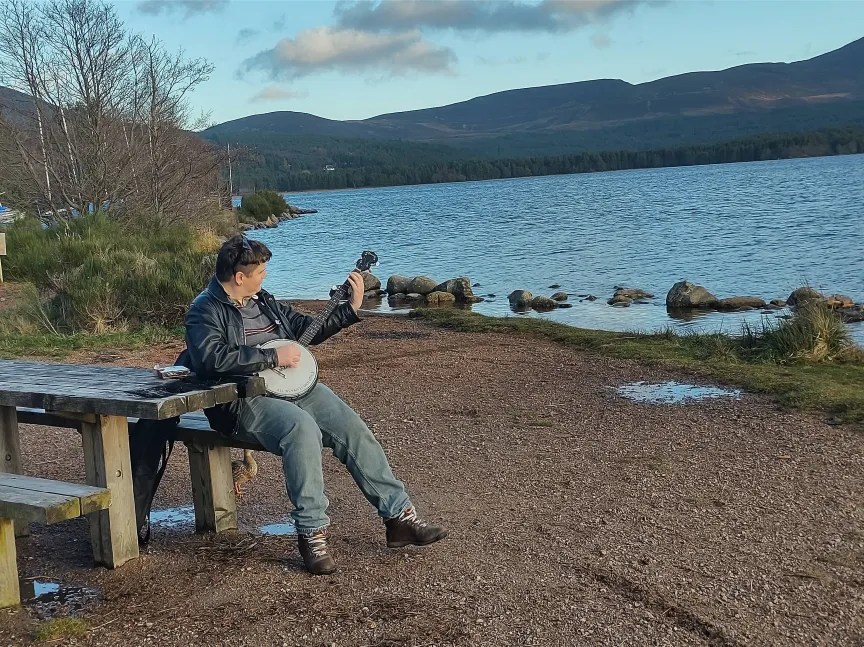
Robyn at Manchester Punk Festival 2024. Photo by Chris Bethell for The Guardian(!)
After the funeral, I stayed the night with queer friends in rural Surrey. We went for a curry, toasted Robyn, caught up about our lives. We talked about work and about books and about art and about holidays we wanted to take. That evening I felt tentatively more at peace with the world.
And then I looked at my phone. And I learned that another young friend, Jessica, had also just died.
***
It’s a shit time to be trans. Many people are saying this.
But then again, when has it not been a shit time?
Eight years of moral panic have taken an enormous toll. In the UK, as in many other countries, our civil rights and our access to public services, public spaces, and public life are all being rapidly rolled back. Politicians and influencers fall over themselves to promote anti-trans violence and praise one another’s incendiarytakes. We are less safe at work, at home, in hospitals, in schools, and in the streets.
Trans people often die young, including too many of my friends. Sometimes (all too often) we die by suicide, driven to despair in a world full of hate and malice. Sometimes (mercifully less often in the UK) we are murdered, usually in incredibly violent ways. Other times, it’s more complicated. I think of Denise, who died a sudden death from melanoma. I think about Elli, who died of Covid-19. And now I also think about Robyn and Jessica, who each died suddenly of apparently natural or accidental causes.
These days, the high rate of untimely trans death can feel like a consequence of the trans panic. Certainly I believe it’s making things worse. However, this phenomenon pre-dates the current political situation. Trans people disproportionately died young in the 2010s, at the time of the so-called “tipping point“. Trans people disproportionately died young before this too. Sociological theory can tell us why.
A decade or so ago, I worked for a couple of years in Warwick Medical School. I was there to teach medical students about social determinants of health. The basic concept is that our general health is affected enormously by the context in which we live. This includes factors such as the resources and services we do and do not have access to, and barriers we might face in attempting to access healthcare services or otherwise look after ourselves
So, it’s not a coincidence that – for example – life expectancies are shorter in poorer neighbourhoods, or that Black women are more likely to die in childbirth. There is nothing inevitable or biological about any of this, something intrinsically different about poor people or Black people. The issue is that entire groups of people are more likely to experience particular kinds of illness, and more likely to die of things others might survive. This is because of the social disadvantages they face, and because of the discrimination they experience at the hands of bigoted doctors and nurses.
There is a massive scientific literature on social determinants of health. I’ve contributed to it myself, co-authoring a recent study showing an association between transphobic microaggressions and poor mental health among trans people. For this reason, I know it’s no coincidence that so many of my trans friends have died untimely deaths. Trans people are more likely to have worse health because of transphobia. They are less likely to receive timely and effective treatment because of transphobia. This means when trans people are seriously ill, we are on average less likely to survive. I see this when I look at the academic literature, and I see this every day in the lives trans people I know.
I see the impact of transphobia when I look at Robyn’s life and death. Her health deteriorated significantly in her final years. She was afraid to seek help from doctors though: and for good reason, given the discrimination she and many of her friends experienced in NHS services. I wrote my entire goddamn PhD thesis on this problem.
Things were even worse for Jessica. I witnessed so many organisations and institutions in her home city of Coventry failing her time and time again. I could fill whole books with accounts of the violence done against her. She was failed by her school, her church, a political party she gave so much energy to, the council, the local hospital, the psychiatric ward, the housing association. Just last year I sat helplessly on the other end of the phone while she attempted suicide, doing the best I could in this moment to ensure that she was not alone.
The institutional failings experienced by Robyn and Jessica and so many others are the result not just of ignorance, but of actively malicious transphobia and transmisogyny. I believe these factors contributed significantly to their untimely deaths.
How can any of us expect to find hope and purpose in the face of such violence?
***
In recent months I have noticed an uptick in trans doom-posting. By this I mean trans social media posts, blog posts, and videos which dwell entirely on negative feelings and convey a sense of hopelessness.
A prominent example is Shon Faye’s recent essay, well, it’s over, which she describes as “a brief eulogy for the ‘trans rights’ movement”. Shon observes that powerful transphobic movements in the USA and UK are succeeding in many of their aims. They have spread fear and disinformation far and wide, made allies of mainstream politicians and media platforms, and enacted bans on trans healthcare. Now they are attempting to criminaliseour very existence, as part of a campaign to eliminate us altogether.
Shon’s conclusion appears to be: well, that’s it. We’re all fucked.
“Today I doubt I will see another progressive measure (either in legislation or healthcare policy) put in place for trans people in my lifetime. Who knows what may yet be taken away.”
I very much empathise with her account of trying to talk about this in any way with cis friends and family:
“their instinct is to try and generate hope or minimise despair [which] typically minimises the gravity of the situation and the depth of my grief and exhaustion and fear – increasing my resentment.”
Shon concludes that she doesn’t want to hear “fucking platitudes” – “there’s time for hope later”. For now, she wants time to grieve. I’ve seen similar sentiments shared by other authors on various social media platforms, including posts from extremely popular trans meme accounts.
I understand intimately where all of this is coming from. Just look at everything I said earlier about social determinants of health. I recognise the violence we are subject to, and its costs. This post too is written from a place of deep grief.
But there is also the question of where and how we grieve. We do need space to vent and to despair. But we also need space to process, and figure out what happens next. Ideally, we need places and times we can do this collectively, rather than just being isolated as individuals. Robyn’s funeral offered this.
I’m not saying we shouldn’t talk about what is happening to us. What I am concerned about is the individualising effect of public platforms, and the parasocial relations we hold with high-profile accounts. We tend to consume doom-posting on our own, on a phone. We often have no-one to process it with, and little context beyond the content in front of us. In this way, doom-posting offers only a partial account of reality, and no way out from despair.
And there is a way out. We find it in community.
***
Look, I have a great deal of respect for Shon Faye. I have a hard enough time navigating the consequences of my own very minor microcelebrity. Shon has to tackle a great deal more attention: from trans people looking for someone to idolise and/or tear down, from cis readers who project heroic expectations onto her, and from haters who see her as the antichrist or something. She’s great on camera, and a brilliant writer. I would recommend her book The Transgender Issue to literally any cis reader. I also recognise that her blog post comes from a place of incredible pain.
At the same time, I am concerned that many trans people and allies are putting way too much energy into engaging mainstream institutions and liberal systems on their own, individualistic terms, rather than looking to the alternative power and support we can build in our communities. Notably, a lot of Shon’s post talks about civil society, legislation, lobbying, and the role of organisations such as Stonewall. This is definitely a realm in which “trans rights” face a seemingly terminal decline. But it is also not the first place I would look for real, grounded hope.
You can find a similar energy in Jules Gill-Peterson’s dire essay Reject Trans Liberalism, which is referenced by Shon. Jules’ piece simultaneously criticises the trans liberation movement for being about more than transition, while also insisting that preparing ideologically sound documents for the US supreme court is a radical act. It posits a false and ahistorical dichotomy between transsexuals (good, pure, radical) and transgenders (bad, elitist, liberal). The essay does not consider how gender diverse people might work together or support one another across our differences. This contrasts with existing critiques of trans liberalism already advanced by activist-scholars such as Nat Rahaand Mijke van der Drift. Again, don’t get me wrong, I’m a huge fan of Jules’ previous work. But as trans people, and especially as trans women, we owe each other so much more than this.
Now, I’m hardly without fault. This very blog is replete with examples of myself and others putting untold hours into lobbying politicians, participating in public consultations, advising the National Health Service and so on and so forth. In her post Stepping Over The Line, Josie Giles, who once again I admire greatly (look, I just fucking love trans women) argues that:
“Theoretically, an army of well-resourced energetic activists could simultaneously engage in state-centred advocacy and also do grassroots politics. In practice, it doesn’t happen. In practice, state-centred pseudo-organising dominates the social media feeds and the limited energy reserves of an already depleted community, and absorbs what little money is available to pay for the salaried self-licking ice-cream cone of the lobbying profession.”
Sick burn!
Meme acquired via one of them social media platforms we’ve all heard so much about.
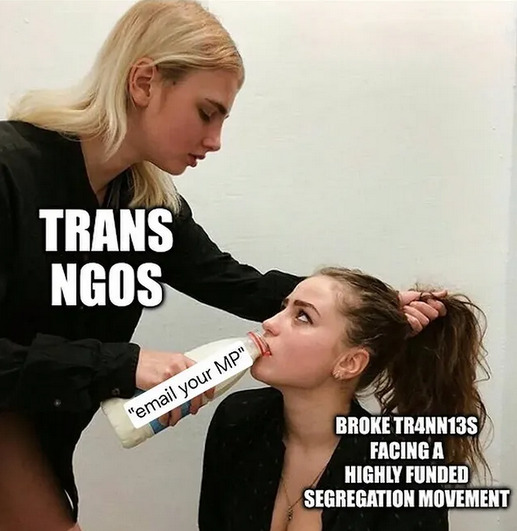
I do disagree with Josie a little. Unlike Shon and Jules and also Josie, I transitioned in the early 2000s. This was well before the tipping point, and before most trans civil rights even existed in law. I remember how we fought successfully for changes that genuinely improved many people’s lives. I feel it will always be worthwhile to use what levers we can to minimise the harm caused by those who have power over us. Lobbying is the most accessible form of activism for some people. I still have an auto-reply on which encourages every damn cis person who emails me at work to contact their MP.
But Josie is completely right that many if not most trans people can and should be putting a lot more of our energy into grassroots politics. This must necessarily involve re-imagining what our worlds could look like, using what we already have as a basis from which to build. I know from lived experience that we can not only survive in the absence of certain civil rights and recognition, but also see material improvements in our lives when we come together. I met Jessica because we built trans-led community services in Coventry from the ground up.
Similar points are made by Roz Kaveney, who first came out over 50 years ago. In her criminally underrated 2022 poetry collection, The Great Good Time, Roz does reflect on the violence faced by young trans women in her youth. However, she also details the vibrant lives they lived together, the joys they experienced, how they shared housing and clothes and had each others’ backs. In a short forward to the book, she notes:
“I observed a lot of bleakness creeping into trans social media and thought it my job as a community elder to remind young people that things have been, if not worse, then at least as bad in different ways”.
As Josie states in Stepping Over The Line, white, middle-class trans people in particular need to understand in this current moment that we are as disposable to the ruling classes as any other minoritised individual. Our strength lies in practical solidarity with others subject to the violence of corporations, fascist movements, and the state. To once again reiterate the point, we need to be in community with one another.
Both Robyn and Jessica’s lives offered perfect models for this.
***
Every single speaker at Robyn’s funeral talked about how much time and energy she put into punk and folk music, building and fixing things, and caring for others. She was a loud, proud butch who was incredibly committed to sustaining community wherever she went. When she saw a need, she sought to meet it. Many of us only wished that she was better at asking for or accepting help herself.
If a trans person needed somewhere to stay, Robyn would put them up. If a trans person needed to move house, or was being evicted or was fleeing a violent relationship, Robyn would turn up with a van. If a trans person was having trouble at work, Robyn would show up online or in person with sensible advice. This attitude inspired Robyn to volunteer with groups such as Reading Red Kitchen, a grassroots project which provides a social foodbank and free community meals for asylum seekers experiencing food poverty. For Robyn, radical politics could never simply be about slogans and demonstrations: it was about cooking, connecting with others, and washing the dishes.
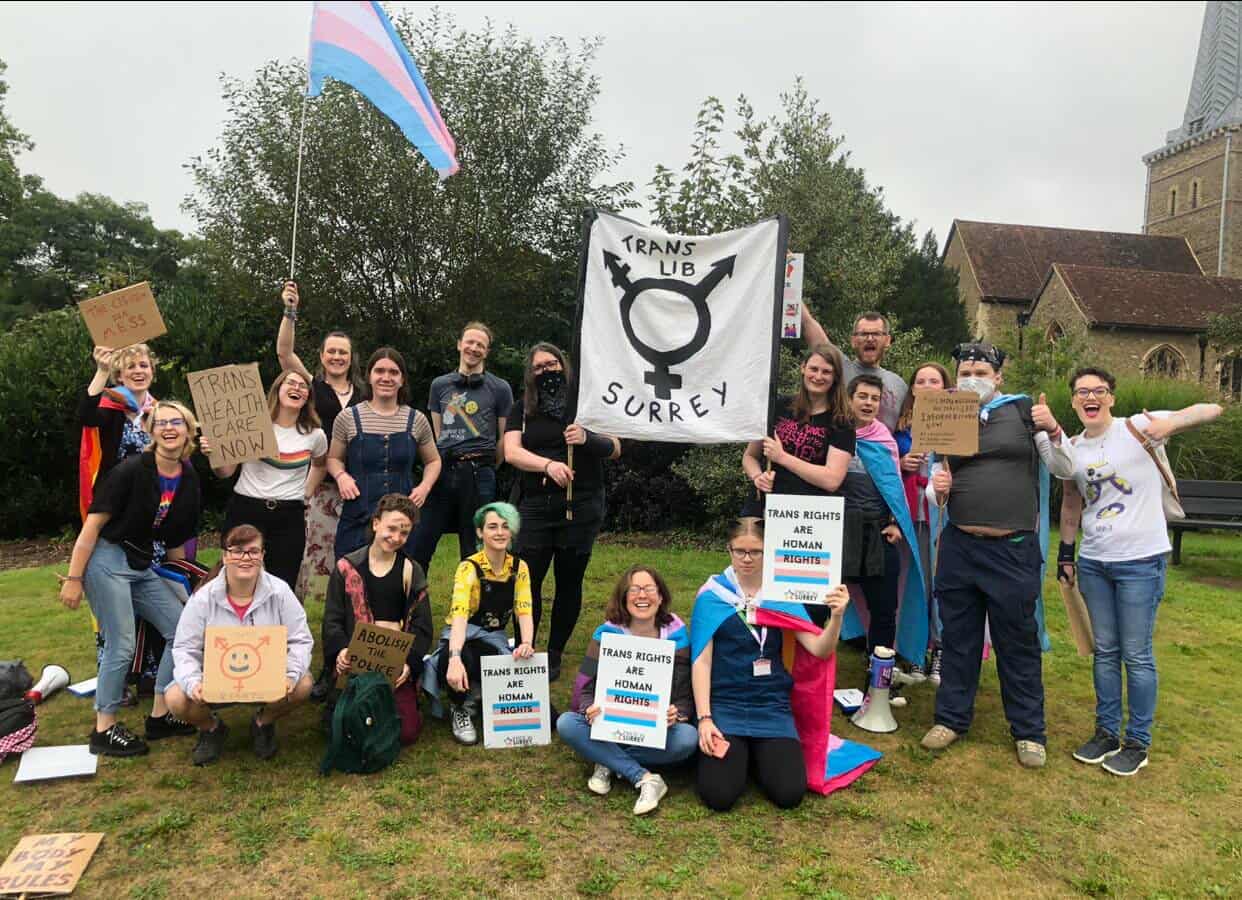
None of this is to say that Robyn was never found at a protest: quite the opposite. When I lived in the south we co-founded Trans Liberation Surrey, a collective which worked to oppose transphobia in a county hardly known for its activist movements. My most treasured memory of Robyn is from this time, when we attended a small anti-fascist demonstration in Wokingham. A coalition of neo-nazis, anti-vaxxers, and climate conspiracists descended on the town to protest a drag queen storytime event for young children. Robyn and I joined other locals outside the library to wave rainbow flags and play upbeat music, enabling families to attend the event without disruption.
Trans Liberation Surrey, at Surrey Pride 2021.
Jessica was also extremely motivated to help others, in spite of her own difficult circumstances. Like Robyn, she was a committed trade unionist. For many years she was also involved in a small political party, before eventually being ejected for challenging the leadership. Her motivation for this was a genuine belief in the possibility of positive political change, and in the potential for people to come together and make that change happen. Later in life she would rediscover her Christian faith as alternative vehicle for community action.
After hearing of Jessica’s death, our mutual friend Charlotte reached out, and we asked one another how we knew her. It turned out Charlotte had also been a member of that political party, and reconnected with Jessica several years later as they both sought new ways to make a difference in the world. In turn, I explained how Jessica and I met while lived in Coventry, and was myself involved in organising trans community social events, meals, and punk nights. Charlotte and I also both knew Robyn. “Christ Ruth,” said Charlotte, “trans lives are so entangled and we often don’t even realise”.
So it is. Right now, Jessica’s Facebook wall is replete with people thanking her for being there as a friend, for providing them with advice, for helping them come out.
In a hostile world, we are everything to one another. In the face of the most horrific hate, our love is so powerful. Such love survives death.
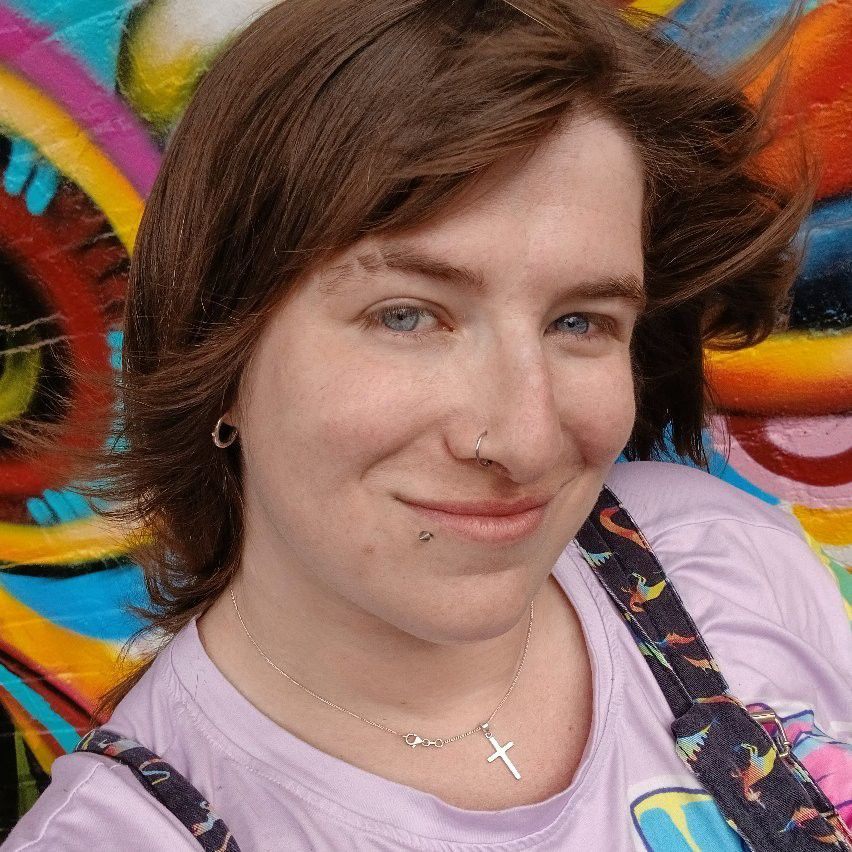
Selfie taken by Jessica.
***
This is where I find hope. At protests and demonstrations, sure, but more importantly in the contexts where we give each other’s lives meaning.
I find hope in community meals, mutual aid, queer bars and queer bookshops and queer gigs. I find hope in small parties, in big Pride events, in quiet meetings at work, in food pantries. I find hope in housing projects and healthcare projects, and in the Glasgow Electrolysis Project, which has created actual jobs for trans women and a vital new service for hundreds of us across the city. We know we are failed constantly by mainstream institutions: rather than seek incremental change, is it not time to re-imagine the clinic, re-think the workplace? Our problems will not be solved by refusing to engage with existing services, nor by creating trans charities that replicate existing hierarchies. We need to find ways to build something new entirely.
I find hope in the fact there are more of us out than ever, more connected than ever. These collective endeavors are all so much more important than anything I personally might write, any research I might do, and certainly any “progressive” policy I might influence.
Doom-posting and finger-pointing cannot deliver any of these things. We need to take the time to connect with one another, especially outside the internet. Yes we need to grieve, but we need so much more than this. We need to actively look after one another, and provide space for rest and recuperation. We need to have each others’ backs. We need to connect across difference, and not (re)create hierarchies of oppression or need.
These are no fucking platitudes. This is my life. This is the lifeblood of our shared communities. This is how we create better social determinants for our goddamn health.
Even if the worst-case scenario occurs and the interim guidance becomes law, Pearce emphasizes that laws “only make sense if people uphold them.” People and organizations must be willing to fight for trans rights, and make the laws essentially impossible to enforce.
As Pearce puts it, “We need intentional, aggressive, extremely homosexual non-compliance.”
Earlier this month I spoke with journalist Emma Bainbridge about lesbian community responses to the UK’s transphobic Supreme Court judgement. That piece is out now in the Canadian magazine Xtra. You can read it here:
On the evening of Tuesday 15th April 2025, I was widely perceived to be a British lesbian, both legally and socially. By 11am the following day, that was no longer the case, following a ruling by the UK’s Supreme Court.
I was not actually in the UK for this momentous occasion. I was instead in the Swiss city of Lausanne, for a workshop on standards of evidence in sex and gender policy. I was there to consider the very questions the UK’s highest court, in their supreme ignorance, had effectively dismissed. Their ruling determined that the term “sex” in the Equality Act referred to “biological sex”, which in turn should be understood as “the sex of a person at birth”. But what do we actually need to know about when we make policy around sex and gender, and what is the role of evidence in this?
The Tuesday evening found me hanging out in a second-rate Thai restaurant with Professor Sarah Lamble, an esteemed criminologist and fellow dyke. Lamble and I spent some time talking about how conspiracy theories around “disappearing lesbians” highlighted the strange ironies inherent in British anti-trans discourse. The anti-trans movement has been extremely successful in raising “reasonable concerns” around supposed problems that are completely ungrounded in reality, to the point where that reality itself begins to warp.
Mainstream political discourse in the UK increasingly reflects anti-trans claims that lesbians are somehow threatened by trans people, or are even being transed en-masse in gender clinics and youth groups. The true biological attraction between two adult human females is disrupted. Young people are tempted away from lesbianism with promises of luxurious facial hair and male privilege; meanwhile, horrifically manly and/or confusingly attractive trans dykes are introduced to the dating pool.
If these claims were true, we might expect to see some kind of reduction in the number of homosexual females. Instead, the evidence we have indicates quite the opposite. Surveys such as the Annual Population Study show a rising number of lesbians over recent years, part of a wider increase of 1.2 million in the recorded lesbian, gay, and bisexual (LGB) population of the UK. This is driven especially by young people coming out, with over 10% of people aged 16-24 identifying as LGB as of 2023.
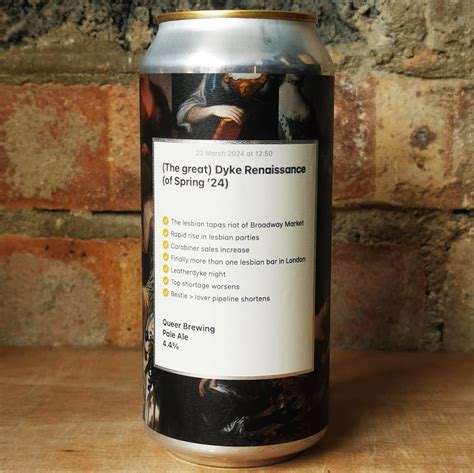
But what about the lived reality of queer womanhood? Well, there’s great news here too: we are living in a truly historic time for sapphic culture in the UK. Proudly out lesbian and bisexual women can be found across the pop charts, on TV, and across social media. Queer bookshops are on the rise. Pop-up butch bars and new queer cafes can be found in major cities and small towns. And, excitingly, even the much-maligned lesbian bar is making a comeback, with three permanent venues and numerous occasional nights now running in London alone. It’s all got so out of hand that in 2024 the Queer Brewing company sold a juicy pale ale named Dyke Renaissance, which conveniently listed an educational series of cultural milestones on the can.
If trans people are trying to disappear lesbians, we’re doing a really bad job of it.
Meanwhile, queer cis women tend to be pretty supportive of trans people. In fact they’re one of the single most supportive demographics in the UK – which is presumably why the Equality and Human Rights Commission is, right now, attempting to ban trans dykes such as myself from associating with any more than 25 biological lesbians at any one time.
On evidence
As lesbian conspiracy theories show, the very concept of evidence has had a bit of a hard time over the past decade.
In the UK, this was perhaps best encapsulated in 2016 by the Conservative politician Michael Gove. While campaigning for Brexit, he declared that the British people “have had enough of experts”. Gove’s claim is echoed in a growing anti-intellectualism across the globe. From the mass purge of universities in Türkiye, to the post-truth bizarro world of Donald Trump, to Israel’s scholasticide in Gaza, this trend manifests in blunt and brutal ways. Anti-expert authoritarianism doesn’t care about your facts or your feelings.
However, attacks on evidence can also be more subtle. Gove’s comments are widely quoted, but it’s less well-known that he singled out a particular kind of expert for criticism: “people from organisations with acronyms saying that they know what is best and getting it consistently wrong”. While this was gloriously vague in a way that allowed the listener to project all kinds of things onto Gove’s words, in context it was nevertheless evocative of the kind of group that tends to advocate for social justice. LGBTQQIAAP groups, perhaps.
From academic thinktanks, to charities, to campaigning organisations, the implicit problem was any kind of challenge to conservative common sense. The UK’s political mainstream has since doubled-down on this approach. In the run up to the 2024 general election, Tory home secretary Suella Braverman criticised “experts and elites”, while the secretary of state for science, innovation and technology, Michelle Donelan, promised to “kick woke ideology out of science”.
One of Donelan’s targets was the “denial of biology” in research by feminists, social scientists… and biologists. The problem here is that supposedly common sense notions of sex and gender, which assume clean and tidy biological divisions between male and female, collide violently with the beautiful messy reality of the material world. At this point in history, it is well-established that sexual diversity exists throughout nature, that men are not biologically superior to women, that social advantage is not conferred or denied by chromosomes, and that queer, trans, and intersex people exist in the world. The evidence for this is gloriously multifaceted. We find it in laboratories, in systematic reviews, in surveys and questionnaires, in the way that men shout abuse at us in the streets, in how our sexed bodies shift and change under hormonal influence, in the way we feel when we finally have a language that describes our experiences.
Michelle Donelan decided to tackle the thorny problems of feminist science, intersex bodies, and trans existence by commissioning a research project by Alice Sullivan, a supposed sociologist who doesn’t care one jot for any of the evidence outlined above. Published in March 2025, the Sullivan Review insisted that data collection relating to sex and gender should rely on a very narrow definition of biological sex: one that ignores trans and intersex women’s real lives, bodies, and experiences of misogyny, while promoting a sexist model of essentialised womanhood. Her findings were echoed in those of the Supreme Court judges a month later, whose pronouncements on biological sex were made without any reference to relevant social, scientific, or philosophical research on how this might actually be understood or defined in practice.
To position this as a wholly new trend would, of course, would be inaccurate. Western jurisdictions have long used and abused pseudoscience to oppress minoritised groups, especially in colonial contexts. This can be seen for example in the British state’s shameful embrace of “race science” and eugenics in the 19th and 20th centuries. What we are now witnessing is an example of the imperial boomerang, in which the logics of colonialism are turned inwards, resulting in increasingly fascist domestic politics.
But did you have a nice time in Switzerland, Ruth?
On that fateful week in April, I joined a group of feminist, trans, and lesbian researchers and activists for the workshop at the University of Lausanne. In the face of increasingly ill-informed policymaking across multiple contexts, it provided us a space to think together about the lessons we might learn collectively from our very different work on healthcare, sports, and prisons.
One overarching theme was the importance of evidence in understanding human experience, in terms of rigorous data collection, careful analysis – and accounting for the lived reality of actual people’s actual lives. A powerful account of the latter point was provided by Dinah Bons, a veteran campaigner for HIV prevention. She pointed out that if a sex worker repeatedly attends a community clinic for her STI tests, this provides evidence that the clinic feels safe enough for her to return regularly, which is far from a given. Such matters are often highly evident to service users and providers on the ground, without any need for a survey or interview.
Another key theme at the workshop was the extent to which various principles of evidence are increasingly abused by politicians, journalists, and institutions.
The concept of evidence has not been rejected wholescale by sexist, transphobic, and lesbophobic policymakers. Rather, “evidence” is increasingly a buzzword to justify particular approaches or points of view, rather than something grounded in a commitment to scholarly standards or an acknowledgement of lived experience. At the workshop, we explored how flawed notions of evidence have been used to support misleading statements or outright lies about human bodies or human experiences. We heard about the use and abuse of evidence in justifying invasive sex-testing for woman athletes, misrepresenting research on young people’s ability to engage in informed decision-making, and defending conversion practices. Notably, while most of these abuses arose from a specifically transphobic politics, they have far wider consequences: especially for women, intersex, and queer people, but also for scientific processes, community consultations, and informed advocacy more broadly.
You can see an example of this in the Cass Review. Through successfully performing the aesthetics of acceptable expertise and science to the satisfaction of the British public, the Review has become what one workshop participant described as a black box. By this they meant that it has become an abstracted justification for policy and practice, handily replacing any ongoing discussion of evidence regarding young trans people’s health and wellbeing. You don’t need to know what the Cass Review actually says or how rigorous it actually is, only that it exists. Well-documented criticisms of the review from healthcare practitioners, academic experts, trans community groups, and (most importantly) young trans people themselves are been rendered irrelevant. The Cass Review is the evidence, and no other systematic review, original research, or personal testimony can henceforth count against it. Not, at least, until 2031 at the earliest: the official end-date of a single £10 million study, based on the Cass recommendations and featuring precisely zero trans researchers.
The British establishment is now attempting to repeat this trick with the Sullivan Review – never mind that projects such as MESSAGE have conducted more extensive and nuanced work on the same topic with a far wider group of experts – and, of course, with the Supreme Court judgement.
Beyond doom
As with Cass, as with Sullivan, it is difficult to capture the sheer enormity of harm caused by the Supreme Court’s pronouncement on biological sex. The consequences are still playing out, and will no doubt continue to do so for many awful months and years.
At the time of writing, the Equality and Human Rights Commission have proposed a programme of mass segregation, designed to discriminate against trans people in the workplace, in public services, and in social groups. The guidance they have written is just that: guidance, not law. Nevertheless, major organisations such as the Football Association, the British Transport Police, and Barclays Bank, all of whom shamelessly paraded rainbows through their social media profiles last Pride season, are falling over themselves to comply. We are witnessing the attempted complete exclusion of trans people from public life, in the latest culmination of a transparent attempt to eliminate us altogether.
In such moments, it can be easy to despair. This is in part because it is easy to forget the strength, resources, power held within trans communities and by our allies. That includes the knowledge and evidence we have access to.
Don’t get me wrong. The people who want to eliminate us are better-funded, better-connected, and now have the Labour government on-side as well as the UK’s traditional right-wing parties. We are not going to win trans liberation overnight.
But then, again, we never were.
Everything I said about lesbian culture earlier is true of trans people too. There are more of us publicly creating art and culture, more of us creating events and running nightclubs and playing in bands and writing essays (hi). There are more community groups providing mutual aid and support when charities and state bodies fail us. And, importantly, we are not alone.
Trans women and non-binary people are a part of the dyke renaissance. We are at the butch bars, and bemoaning the top shortage. We are dancing to Le Tigre and to Chappelle Roan. We are reading Gideon the Ninth and watching We Are Lady Parts and having all the feelings. My partner of the last decade was probably the most surprised of all to learn from the Supreme Court that I am not, in fact, a lesbian, as every bit of evidence from our shared personal lives points to quite the contrary.
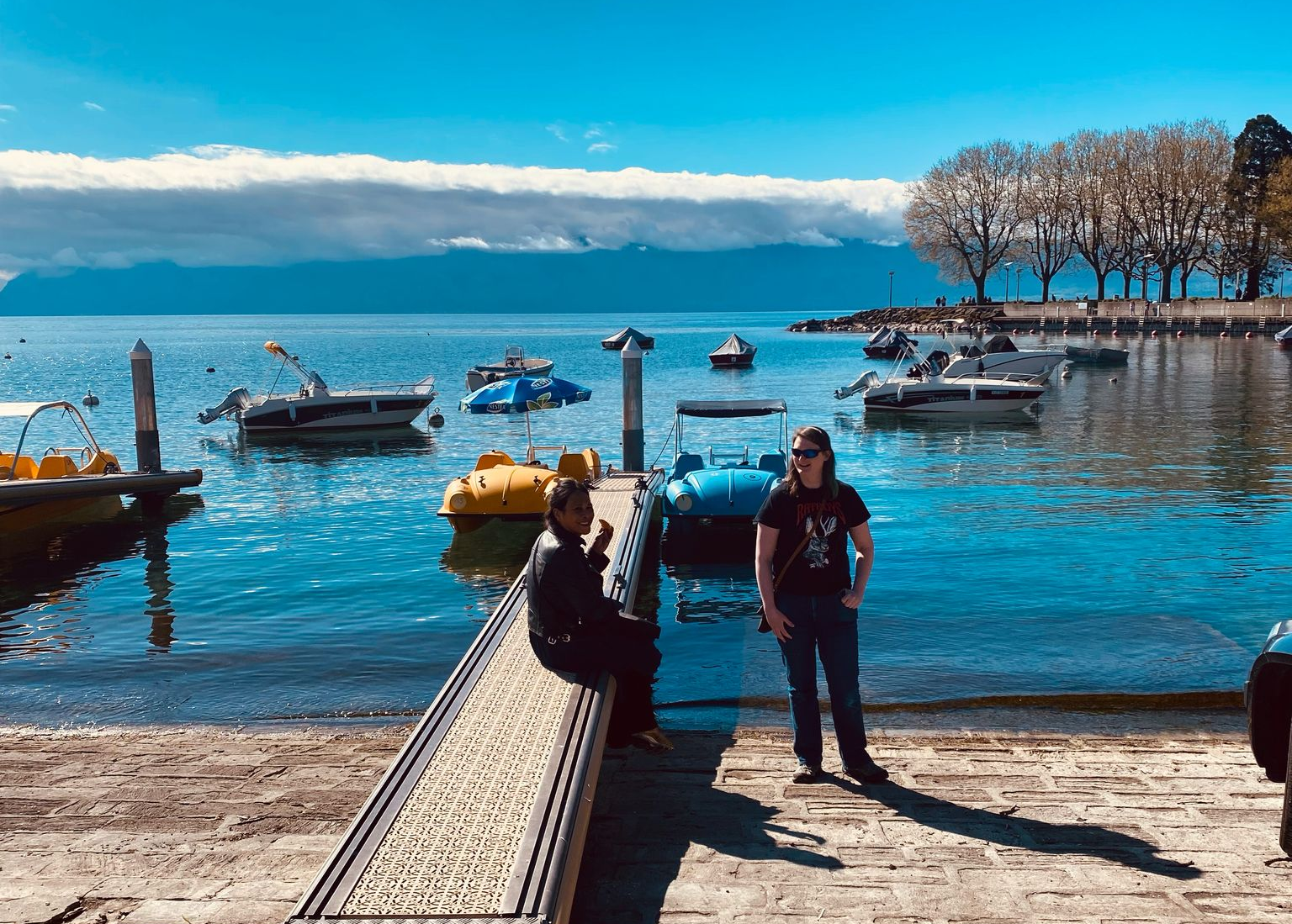
I will concede that some trans people are not in fact lesbians, or even queer. Nevertheless, there are somany other places to find us in community with others. Trans people are in trade unions. Trans people are in workplaces. Trans people are in schools and colleges and universities. Trans people are in the streets. Trans people are on the bus. Trans people are in families. Trans people are making families. Trans people are playing football (suck it, Football Association). Trans people are eating pizza. Trans people are restoring the countryside. Trans people are hanging out beside Lake Geneva in the glorious sunshine, enjoying a much-needed break.
There are more of us than ever, and it is too damn late to put us back in a box.
Resistance is fertile
I was honoured to present the keynote presentation at the Swiss workshop. I spoke about the findings of the Trans Pregnancy Project, a study that produced enormous amounts of evidence on the experiences, needs, and perspectives of men and non-binary people who conceive, carry, and give birth.
No matter how much our findings are slammed by the media and billionaire children’s authors and washed-up comedy writers, our peer-reviewed work has demonstrated the lived reality of male and non-binary pregnancy over and over again. Most importantly, it has helped people. We are part of a far wider movement of parent groups, midwives, and researchers who are collectively building knowledge. I am constantly hearing from people who describe how much this knowledge has resulted in better care for them and their child. This kind of story drives everything I do.
Towards the end of my talk, I discussed the anti-trans moral panic, and the Supreme Court judgement. I then showed the below table of findings from the National Maternity Survey. This annual survey involves those who have recently given birth every year in many (but not all!) English hospitals, over the course of a few weeks. Since 2021, they have started asking whether the person giving birth has a different gender to the sex they were assigned at birth – i.e. are they trans?
Two things leap out from this table for me. Firstly, the 2021 data shows a very similar proportion of people indicating they are trans when compared to the 2021 censuses in Scotland, England, and Wales. This suggests that, contrary to assumptions around trans infertility or undesirability, trans men and non-binary people may well be just as likely to give birth as cis women are to become birth mothers.
Secondly, the number of trans people giving birth has risen dramatically over four years. Even as the anti-trans moral panic has deepened. Even as attacks on even recognising the existence of trans people in perinatal services have increased. As Del La Grace Volcano once it put it: “resistance is fertile!”
In the face of growing oppression, trans people are simply refusing to disappear. In fact, we are doing the opposite.
This, then, is the power that the anti-trans movement, the Labour party, and the Supreme Court cannot possibly take away from us. The more trans people are out and visible to one another, the more trans people come out and become visible to one another. Sure, we will unfortunately need to think more carefully about where and when we are out, and where and when we are visible, if this is something we even have any power over in our specific lives. I am sure that more trans people will be going stealth in future years, if they can. But regardless – there are more of us in community, more of us organising protests, and more of us than ever in the lives of our friends, families, colleagues, and allies, showing that it possible to have a good life while being trans.
In this context, it is important to know that people from many parts of the world gathered in Lausanne this April to pool our knowledge and skills and experiences. It is important to know that we have each returned to our home countries to share what we gained. It is important for people to know that similar meetings are happening across the world, in community centres and on university campuses, in board rooms and in bedrooms, involving trans people, and feminists, and yes, lesbians. We are constantly building a movement for positive change, and you do not have to be an academic or veteran activist to be a part of it. Trans power is for everyone.
There is much to say what needs doing in the current moment. We need allies to continue fighting alongside trans people for our collective liberation. We need to be demonstrating in the streets, funding mutual aid and legal action, actively resisting complicity in Labour’s eliminationist agenda, and encouraging every public body under the sun to do the same.
Evidence will be helpful for this. Evidence from academic research, sure, but also – as Dinah Bons pointed out – testimony from the everyday reality of trans people’s lives. And oh boy, do we have that evidence.
More of us than ever are producing evidence of trans existence, and trans persistence.
Last week I attended a workshop in Switzerland on standards of evidence in sex and gender research (more on that soon!) During my trip, I had my standard out-of-office auto-reply set up for my email account, informing people of my absence so they wouldn’t expect any immediate engagement from me.
I would typically switch off that auto-reply on my return to work as normal. However, in the wake of last week’s Supreme Court judgement, there is simply no more “work as normal” for me or any other trans person living in the UK.
As such, I have written a new auto-reply, which will be sent to everyone internal to my workplace who emails me. It is impossible for me to forget what is happening to trans people and especially trans people in the UK, so I will ensure it is impossible for my colleagues to forget this also. Equally, my intention is to transform bad feelings into understanding, and practical action. We have always been powerful when we work together and build movements.
I am sharing the text of the auto-reply here in case it is of use to anyone wishing to do similar.
You may be aware that the UK’s Supreme Court has initiated a mass rollback of trans people’s civil rights. In light of this, I am uncertain if it will continue to be safe for women and people like me to continue working at the University of Glasgow.
You can read more about the judgment and its implications here:
While the judgment itself does not require organisations to act in a prejudiced manner, numerous politicians and policymakers have indicated that they intend to make discrimination mandatory. My friends have reported increased street harassment, as the ruling is seen to position trans women as legitimate targets for misogyny and violence. Trans people of all genders are already even more likely to experience public harassment, sexual assault and rape than cis women (see e.g. https://bulletin.appliedtransstudies.org/article/3/1-2/3/), and this is likely to get worse.
The Chair of the Equality and Human Rights Commission (EHRC), Baroness Falkner, has promised to revise guidance to encourage employers to discriminate against trans people in the workplace. For example, she told Radio 4: “if a service provider says we’re offering a women’s toilet, that trans people should not be using that single-sex facility.”
If you are concerned about the safety, wellbeing, and continued access to employment and education for women and trans people such as myself, you can take one or more of the following actions:
Write to members of the Senior Management Team at the University of Glasgow, especially the Equality Champions, and ask what they will do to protect trans staff and students, including through ensuring continued access to women’s and men’s facilities as relevant. Find their contact details there <link removed for blog post>.
Write to your Head of School and ask what pressure they will be putting on the Senior Management Team to do the same.
Write to your MP and MSPs. Explain exactly why you are concerned, and demand action to protect trans people’s civil rights. For example, you could ask for new primary legislation to protect trans people, ask why the UK is no longer complying with the European Convention on Human Rights, or demand the dismissal of biased commissioners from the EHRC. You do not have to write a perfect letter and it is okay to be emotional and express sorrow or anger, so long as you are not aggressive or mean. Advice on writing letters is linked here: https://bsky.app/profile/whatthetrans.com/post/3lnf4sadrjs2p. You can find contact details for your representatives here: https://www.theyworkforyou.com/.
Support trans people materially, through providing time, resources, and/or money to community initiatives. Examples include: Glasgow Trans Collective (fundraising for emergency support to people facing an immediate danger of threat to life, https://linktr.ee/glasgowtranscollective); Trans Harm Reduction (supporting harm reduction for people self-medicating in the absence of NHS treatment, https://transharmreduction.org); and Five for Five (donating money every month to a range of trans women’s causes, https://www.fiveforfive.co.uk).
Check in on your trans friends and colleagues. Make sure they are okay, and do what you can to be there for them. But do your own research on what you can do to help: don’t put this burden on us. Some good places for information include the websites and social media channels for TransActual, What The Trans, QueerAF, Trans Safety Network, and Trans Writes.
This auto-response is inspired by bell hooks’ comments in her book Teaching to Transgress:
“When education is the practice of freedom, students are not the only ones who are asked to share, to confess […] empowerment cannot happen if we refuse to be vulnerable while encouraging students to take risks. [Lecturers] who expect students to share confessional narratives but are themselves unwilling to share are exercising power in a way that could be coercive. In my classrooms, I do not expect students to take any risks I would not take, to share in any way that I would not share. […] It is often productive if [lecturers] take the first risk, linking confessional narratives to academic discussions so as to show how experience can illuminate and enhance our understanding[.]”
I will not necessarily respond to any replies you send to this automated message, as I am trying to stay focused on teaching, admin, and research. But regardless, thank you.
In early September I recieved an email from the Department for Health and Social Care, inviting me to participate in a closed consultation on the Labour government’s proposed extension of the Tory ban on puberty blockers. The deadline was 1st October 2024.
September was already extremely busy. I started the month at the International Trans Studies Conferencein Chicago, and ended it at the WPATH Symposium in Lisbon. In the meantime I was faced with various writing deadlines, administrative tasks, and the start of a new teaching semester. The small number of other academic experts and voluntary organisations who were also invited to respond no doubt faced very similar challenges with the short notice and unforgiving deadline.
Nevertheless, I scrambled to respond. Like Cal Horton, I regard government consultations on trans healthcare to be inherently abusive at this stage; as I wrote to the Nuffield Council on Bioethics in 2018, “we respond not with hope or optimism, but in fear. This is the power you wield over us”. Given the turgid vibes found in recent political discourse, I also held little hope of a long-term ban being prevented. However, it seemed worth using what little prestige I have as an academic to at least try to encourage the government to listen to actual evidence.
Trans Writes are now reporting that an extension of the ban until 2027 is on the cards for Britain, following a unanimous vote on the same by the Northern Ireland Assembly. With this in mind, I am now publicly sharing the evidence I provided in the closed consultation, plus slides from an oral presentation to the Commission on Human Medicines, who advised the Government.
I don’t think for a moment that sharing these materials will change anything in the short term. However, I feel it is important to put them in the public realm now for the sake of transparency.
Going forward, I hope the work that many of us have done in building and sharing an ethical base for the ethical provision of trans healthcare will make a difference. In the meantime, there is an important lesson here about relying on existing, unequal systems of power and control. As Nat Raha and Mijke van der Drift argue in their new book Trans Femme Futures, making demands of institutions leaves the power in their hands. It is more important than ever for trans people to build power and knowledge within our own communities, in collaboration with others.
We have survived worse in the past by sharing information, ideas, and life-changing medication between us, and we will do so again.
The messages greeted me as soon as I left the ancient, rattling commuter train from central Chicago, chalked onto the sidewalk all along Church Street on the walk to my hotel. They seemed oddly out of place in Evanston, a leafy college suburb with an extremely chill vibe; a strange contrast to the low-key cool of the bars and restaurants, and turquoise blue calm of the inconceivably vast Lake Michigan.
At first I misread the final word of every message as “repeat”, as in (for example): “Praise the Lord – repeat”. I thought someone was simply very enthusiastic about sharing their values. “Repent”, however, feels a lot more aggressive and also quite pessimistic, assuming the reader’s guilt and their urgent need to make amends.
I am here for the 2nd International Trans Studies Conference, held at Evanston’s Northwestern University, in the original homelands of the Council of Three Fires (the Ojibwe, Potawatomi, and Odawa peoples). In the opening plenary of the conference, the political scientist Paisley Currah argued that we are living in a crisis moment for trans politics: not because we are necessarily facing more discrimination than ever before, but because more people are paying attention to our existence. Many of these people hope we might repent our trans identities, our gender deviance, our very existence. And yet, here we are, gathering from around the world to discuss trans knowledge and trans ideas, and to imagine trans futures.
Over the course of the conference I am attending numerous talks and meetings across a dizzying array of topics and themes, taking in both theory and evidence from researchers based in the humanities, social studies, and physical sciences. I plan to blog regularly, sharing information I have learned as well as critical reflections on the event. There are literally hundreds of talks taking place over up to 11 simultaneous sessions at any one time, so please do not expect an exhaustive account! Still, I hope these posts will be of interest to people unable to attend the conference, as well as fellow attendees.
The opening plenary: ‘The State of the Post-Discipline’
The conference began on the evening of Wednesday 4th September, with a two-hour opening plenary titled ‘State of the Post-Discipline’, reflecting the official theme of the event. Across four talks, this session aimed to set the tone for the conference and introduce a series of key ideas for consideration in the coming days.
I felt the plenary very much reflected the ambition, the importance, and the limitations of this conference. Each of the speakers emphasised the importance of a materialist approach to trans studies, in which our research can speak helpfully to the reality of people’s lives. This necessarily involves grounding our work in practical examples of trans realities, and understanding our histories in order to better tackle the challenges of the present and future. The speakers were perfectly blunt about the enormous harms that trans people have faced across time and in many places, while maintaining an optimism for how we might productively learn together.
At the same time, it felt strange that together, these four opening commentaries reflected a very limited geographic perspective, with three of the speakers being based in the United States. Similarly, it was disappointing to see just one trans woman on the stage, the Mexican biologist and philosopher Siobhan Guerrero Mc Manus.
This unfortunately reflected the wider dynamics at play within trans studies. As conference organiser TJ Billard noted in their opening comments, trans studies has historically been dominated by US and (to a lesser extent) European voices. Moreover, all four of the field’s major journals are effectively based in the United States. The 2nd “International” Trans Studies Conference is inevitably dominated by US scholars and perspectives, even as there are an impressive range of people present from the rest of the world. I’ve also frequently observed the minoritisation of trans women with trans-oriented conferences and research projects, even given the enormous influence of key figures such as Susan Stryker (who will be speaking in a later plenary) and Sandy Stone.
Nevertheless, the conference couldn’t have found a better opening speaker than queer Indigenous historian and literary scholar Kai Pyle. I have long admired Kai’s written work, so it was exciting to finally see them speak.
North American conferences frequently open with a land acknowledgement, in which organisers and/or invited elders of local Indigenous communities recognise the role of Indigenous peoples as the original stewards of lands taken by settler colonists. However, land acknowledgements rarely offer deeper understanding, let alone any form of reparation for the enormous damage wrought by colonialism.
Pyle themself rightly noted that a single talk could not possible begin to account for the violences and erasures of the past and present, and they observed also relative absence of Indigenous academics from the conference space. They further comments that “although I’m speaking on a panel titled ‘The state of the post-discipline’, I’m barely concerned with the discipline at all”: instead Pyle is concerned with a future where indigenous trans people can live.
Nevetheless, it was powerful to begin the event with a talk specifically about the oppression and resistance of Indigenous peoples in the Great Lake region. Pyle also argued that this history is necessary for properly understanding the history of trans studies itself.
Pyle explained that the lands of the Illinois or Inoka people were first invaded by the French in the 17th Century. Subsequent European accounts and travelogues widely reported the presence of gender roles in Inoka society that did not align with European norms: examples included the leadership of women in agriculture, and genders that could not be easily categorised as female or male. The subsequent projection of European understandings and desires onto Indigenous North American peoples informed early pathological accounts of gender ‘deviance’ as physical and mental sickness, which in turn would inform inform diagnostic categories from the 19th century to the present day. Indigenous people themselves, meanwhile, were subject to immense colonial violence, including coercive conversion to Christianity, removal from their homelands through forced marches such as the Trail of Death, and cultural destruction through the Indian residential school system.
Turning to the early 20th century, Pyle told the story of Ralph Kerwineo, an individual of Potawatomi and Black heritage who successfully ‘passed’ as a man and married two women while living in his ancestral homelands. While Kerwineo might today be understood as a trans man, there is no evidence of any engagement with the traditional gender roles of his people. Pyle noted that this stands as evidence of both enormous alienation but also resistance: Kerwineo successfully lived a gender ‘deviant’ life in the Chicago are a hundred years of attempted elimination of his people.
Finally, Pyle reflected on the emergence of the two spirit movement in the early 1990s, in parallel with the emergence of the contemporary US trans movement, as well as trans studies.
The second talk was by Paisley Currah, who argued for theorising “trans rights without a theory of gender”. He posited that trans studies has been increasingly “stepping aside from just doing theory” over the last decade, as seen for example in the creation of the journal Bulletin of Applied Transgender Studies. In this context we can potentially separate questions of social justice from questions of what sex and gender might actually be.
Currah illustrated this argument with the example of campaigns around sex classification policies in New York City. Attempts to introduce a system of self-declaration in the 2000s and early 2010s were complicated the fact that some city bureaucrats supported the proposed changes, and others opposed them. This was summarised by a legal argument made by the city government: “the existence of difference approaches to similar problems does not render an agency’s rule irrational”.
In this context, Currah argued that sex/gender is in practice a “decision informed by law”, and by the needs and interests of lawmakers. For example, in many jurisdictions it is fairly easy to change a sex/gender marker on a driving license. This is because in practice driving licenses are used by the state primarily for tracking and surveillance, and it is therefore in the state’s interest for the license to reflect what people look like and how they live. By contrast, it has historically often been more difficult to change sex/gender for the purpose of marriage: that is because this would entail a disruption of the heteronormative biological logic for property transfer across generations.
Currah concluded by arguing that when we argue for changes to these policies, the existence and diversity of trans people “is enough”. We exist no matter what your theoretical position on sex or gender, and “a world without us cannot be willed into being”. The focus of policy advocacy should therefore be on what we need to flourish, rather than abstract theorisation.
I found Currah’s arguments extremely helpful and well-framed. However, I was surprised to his insights framed as novel, as the approaches he described feel well-established in the UK. Unlike in the US, materialist approaches have been central to trans studies since the 1980s, in the work of key scholars such as Dave King, Stephen Whittle, and Zowie Davy. Meanwhile, the focus on trans people’s practical needs is embodied in the work of organisations such as Trans Safety Network and Trans Kids Deserve Better, who very intentionally centre questions of harm rather than any theorisation around gender. My own PhD thesis (published in 2016!) and later book Understanding Trans Health deliberately set aside the question of sex/gender to focus on how trans healthcare services operate and are experiences in practice. The feminist philosopher Katharine Jenkins has done important work on how what is important about gender varies according to context, and the legal scholar Chris Dietz has extensively considered questions of governmentality in terms of how and why differing aspects of trans people’s lives are managed by different agencies of on the behalf of healthcare systems and the state.
I make this point not to try and undermine Currah or big up UK trans academia specifically. Rather, I want to note how this kind of awareness of what is already being done in different parts of the world highlights why a truly international approach to trans studies is so vital.
The next talk was by Siobhan Guerrero Mc Manus. Unfortunately I – and many other attendees – missed much of her talk due to an apparent failure by the translation company hired to support the conference. This was an enormous pity given what I did catch felt extremely important, and built on the critiques of Currah that were bubbling away in my brain during his talk.
Guerro Mc Manus emphasised the importance of organising across borders, with the example of taking successful trans liberation strategies from Mexico, adapting these in a Colombian context, and then again in Peru. Conversely, she described the example of how work on reforming the criminal code in Colombia informed trans activism in Mexico. In this kind of organising and exchange of ideas, reflections from the Global South might be combined with insights from the North, without simply reproducing Global North theory in a way that is not necessarily applicable to countries such as Mexico.
I wish I had heard more of these presentation! I feel the International Trans Conference’s investment in both live translators and translation through transcription software is an incredibly important move, and should set the tone for future events in the field (or “post-discipline”, if you prefer). At the same time, it is important to get this right lest non-Anglophone perspectives are further marginalised through technical error. While I just missed large parts of this one talk, attendees who were not fluent in English may have missed much more from the other speakers. I definitely felt for the organisers, speakers, and fellow attendees, and hope these problems will spur future work to further improve our communication across languages and borders.
The plenary closed with a short address from TJ Billard. Billard explained how the choice of conference theme was informed by the “first” International Trans Studies Conference, which took place in Arizona in 2016, “riding the high of the transgender tipping point” just months before the election of Donald Trump. An enormous amount has changed in the last eight years, and the time is ripe for a re-appraisal.
Billard’s use of the term “post-discipline” draws on the work of John David Brewer. Brewer describes post-discipline thinking as knowledge about a phenomena that is detached from disciplinary allegiances, instead emphasising theoretical and methodological pluralism, political investments, and ethical values.
The emphasis is therefore less on academic siloing, and more on real problems facing contemporary society. This couldn’t be more appropriate for trans studies, especially in the context of the insights shared by the other speakers.
Some final thoughts
The first “day” of the conference was really just an evening: the opening plenary, plus a reception where the in-person attendees got to spend time meeting and catching up with one another (some of the most important academic work!) I am finishing this monster post at the end of the second day of the conference, a true marathon which ran from 8:30am (when registration opened) to 9pm (when a reception and 10th anniversary celebration hosted by the journal Transgender Studies Quarterly theoretically wrapped up). It’s difficult to capture the sheer scope of this event: indeed, this series of posts can only possibly touch upon the vast amount of knowledge and information we are discussing at the conference.
For all that I (and others) have shared several critiques, I am hugely grateful this event is happening, and feel very privileged to attend in person. I couldn’t be happier to be a gender deviant, and hope to repeat the value-based work of resistance over and over.
This morning I logged into instagram and watched, transfixed in amazement and worry, as a young person scaled the walls of the Department for Education.
The aspiring spiderman is part of the activist group Trans Kids Deserve Better. At the time of writing they are staging a multi-day protest at the Department for Education building in London, for the right to a safe and inclusive education.
Watching the video, I fear for Squirrel, the anonymous activist who is genuinely risking their life to stop government employees from taking the group’s banner. It’s very apparent that Squirrel is a skilled climber who knows what they are doing – equally, one wrong move could result in a deadly drop to the concrete pavement. This is not safe.
But of course, the entire reason this protest is happening is because young trans people are not safe.
Trans Kids Deserve Better launched their campaign for youth autonomy, safety, respect, and inclusion in July, from a dramatically high ledge of an NHS England building. In an interviewwith Jess O’Thompson for Trans Writes, the emergency doctor and children’s TV presenter Dr Ronx Ikharia argued that “our young people deserve better than suffering, and shouldn’t be scaling walls”. But they added that for this to happen, trans kids must be “believed, supported, affirmed, and loved”.
And this is the crux of the issue. Under the Conservative and Labour governments, we have seen a policy environment in which teachers, doctors, therapists and parents are actively discouraged or prevented from believing, supporting, affirming, or loving young trans people. Instead, families face prison sentencesfor supporting young people’s continued access to medication, NHS England is expanding the provision of state-funded conversion clinics, and a growing number of schools are refusing to allow even the discussion of trans experiences.
Trans kids are not safe because they have been entirely failed by the adult world. They have been failed by politicians, failed by civil servants, failed by the NHS, failed by the voluntary sector, failed by researchers, and in many cases also failed by their doctors, teachers, and parents or carers. This is why the activists from Trans Kids Deserve Better are literally scaling walls in their fight for an actual future.
Looking at the challenges facing young trans people, it can be easy to lose hope. But the actions of Trans Kids Deserve Better show that there is a better way. Doomerism helps nobody. The successes of successive liberation struggles have come about because people have continually dared to believe that a better world is possible, and fight for it. The young people currently sat outside the Department of Education are not bemoaning what they have lost: they are insistently demanding change.
Image from Trans Kids Deserve Better
What can we do? In their conversation with O’Thompson, activists from Trans Kids Deserve Better explained that while trans adults often want to “protect” trans youth, they would rather we “amplify” them: “we don’t need sympathy, we need support”. This is a call to action, with a focus on solidarity, rather than trying to speak for young people or bemoan their situation.
Many adult trans people and allies have complained about the lack of mainstream media coverage for the actions of Trans Kids Deserve Better. But we should not simply wait for the papers or news programmes to start caring. It’s up to us to talk about what’s happening. Today’s queer and trans communities only exist at scale because we made our own media, told our own stories, and forced the mainstream to catch up.
So I encourage everyone who reads this to share the story of what is happening. Share it on social media, share it with friends and family, share it in conversations at work and in bars and in cafes and in parks and at gigs and festivals. A few days ago I was at a pub in Bath, fresh from Pride, still holding a placard that read “Ban Wes Streeting” (copied shamelessly from someone else in Glasgow a couple of weeks prior). Someone asked what Wes Streeting had done, so I told her. She was appalled, but grateful to have learned what is happening, and better informed to act. Information spreads when we spread information.
If you, like me, would rather not see young people risking life and limb by climbing public buildings, it is time to fight with them, not “for” them. Together we can build a safer world.