Building our own power: the Glasgow Transfem Electrolysis Project

Last year I joined the Glasgow Transfem Electrolysis Project, a super cool initiative which is raising money to train and equip two community members as electrolysists. Building on the example of Electrolysis by Siobhan, who opened her service off the back of a similar project in Manchester, the project’s aim is to ensure affordable and safe hair removal for trans women and non-binary people.

In an era of continued NHS failings and civil rights rollbacks, it’s important to be reminded of the power that lies in coming together as a community and working towards a common goal in our collective interest. Hateful policymakers and journalists can never take that away from us.

You can donate to the fundraiser here. We are also running LOVE ELECTRIC, a gig at Mono in Glasgow on Thursday 13th February, with pop, folk, punk, and drag artists. If you’re local, please come by to learn more about the project, and see some incredible live performers! I’m really excited for what’s going to be an amazing night.

Gig tickets are available here.

Puberty blocker consultation: my response

In early September I recieved an email from the Department for Health and Social Care, inviting me to participate in a closed consultation on the Labour government’s proposed extension of the Tory ban on puberty blockers. The deadline was 1st October 2024.

September was already extremely busy. I started the month at the International Trans Studies Conference in Chicago, and ended it at the WPATH Symposium in Lisbon. In the meantime I was faced with various writing deadlines, administrative tasks, and the start of a new teaching semester. The small number of other academic experts and voluntary organisations who were also invited to respond no doubt faced very similar challenges with the short notice and unforgiving deadline.

Nevertheless, I scrambled to respond. Like Cal Horton, I regard government consultations on trans healthcare to be inherently abusive at this stage; as I wrote to the Nuffield Council on Bioethics in 2018, “we respond not with hope or optimism, but in fear. This is the power you wield over us”. Given the turgid vibes found in recent political discourse, I also held little hope of a long-term ban being prevented. However, it seemed worth using what little prestige I have as an academic to at least try to encourage the government to listen to actual evidence.

Trans Writes are now reporting that an extension of the ban until 2027 is on the cards for Britain, following a unanimous vote on the same by the Northern Ireland Assembly. With this in mind, I am now publicly sharing the evidence I provided in the closed consultation, plus slides from an oral presentation to the Commission on Human Medicines, who advised the Government.

I don’t think for a moment that sharing these materials will change anything in the short term. However, I feel it is important to put them in the public realm now for the sake of transparency.

Going forward, I hope the work that many of us have done in building and sharing an ethical base for the ethical provision of trans healthcare will make a difference. In the meantime, there is an important lesson here about relying on existing, unequal systems of power and control. As Nat Raha and Mijke van der Drift argue in their new book Trans Femme Futures, making demands of institutions leaves the power in their hands. It is more important than ever for trans people to build power and knowledge within our own communities, in collaboration with others.

We have survived worse in the past by sharing information, ideas, and life-changing medication between us, and we will do so again.

Regarding the Charity Commission and Cass Review

I was relieved to see today that the Charity Commission’s investigation into Mermaids has finally concluded. The Commission’s published decision found that Mermaids was mismanaged in several respects, but did not find evidence of misconduct, especially in terms of safeguarding young people or providing medical advice.

This is great news in that Mermaids can now continue to operate as a charity and seek funding from relevant agencies to do so. The organisation clearly faced an enormous squeeze during this time, that significantly affected service provision.

However, I am concerned by the language used around the Cass Review in the Commission’s report and accompanying press release. I feel much of this language is deeply misleading and demonstrates considerable ignorance regarding the Review. At the same time, I feel there are some good, practical recommendations in there for charities which face potential harassment from media reporting and on social media.

Logo for the Charity Commission for England and Wales


Binders

The most concerning statement can be found in the Charity Commission’s press release, concerning Mermaids’ former provision of binders to young people as a harm reduction measure:

The Commission has issued statutory advice to the charity requiring that, should it ever resume this service, its future policy and controls should reflect the recent Cass Review, or any future NHS guidelines on parental involvement.

The Cass Review does not, of course, actually make any formal recommendations for non-medical service providers – moreover, its commentary on social transition is not well-evidenced.

However, the Charity Commission decision quotes the final report of the Cass Review, which states that “parents should be actively involved in decision making unless there are strong grounds to believe that this may put the child or young person at risk“. This would appear to align with Mermaids’ actual policy, which was to work with parents, families, or carers unless a young person was not directly supported. The issue, of course, is that the Charity Commission (and, indeed, the Cass Review team) do not fully interrogate or understand the considerable risks posed to young trans people by unsupportive parents.

I am increasingly of the impression that policymakers are taking all kinds of decisions without having read the Cass Report in any detail, let alone with a critical eye. This would appear to be another example of this.


Having “regard” to the Cass Review

Similarly, in a sub-section of the decision report titled “Implementing the findings of the Cass Review”, the Charity Commission recommends that trustees working with “children and young people who are questioning their gender identity or experiencing gender dysphoria” need to “ensure that they have regard to the findings, conclusions and recommendations of the Cass Review and ensure that they have reviewed their charity’s literature, website and guidance in light of them“.

This statement is, I believe, being wilfully misinterpreted on social media and in media commentary. For example, the Standard’s report on the decision leads with the headline “Charities should follow Cass Review recommendations, say watchdog”. However, that is not what the decision actually says.

In the UK, “have regard” means that organisations should take account of guidance and carefully consider it. An example of this can be found in the Charity Commission’s rules for charities on public benefit:

As a charity trustee, ‘having regard’ to the commission’s public benefit guidance means being able to show that:

  • you are aware of the guidance
  • you have taken it into account when making a decision to which the guidance is relevant
  • if you have decided to depart from the guidance, you have a good reason for doing so

In the current political climate, this strikes me as an eminently sensible approach to the Cass Review. I would expect all service providers and researchers to be aware of the Review’s final report, to take it into account, and (for the purpose of defending against bad faith actors) be able to provide good evidence for acting otherwise.

Going by a statement from Mermaids Chair Kathryn Downs for Third Sector, this appears to the charity’s planned approach to having regard:

“The Cass Review final report is the highest-profile review of youth healthcare in the world and has influenced NHS England’s policies. However, it is not legislation or guidance.“

She then goes on to emphasise that Mermaids’ advocacy and policy work will continue to be “driven by and give a platform to the voices of young trans people“.


We deserve better from the Charity Commission

Overall, I feel this is good news for Mermaids, and for trans organisations more generally. However, the language used by the Charity Commission, especially in their press release, really muddies the water by providing considerable grounds for bad faith interpretation.

It’s also deeply frustrating to see the Cass Review continually upheld as a paragon of policy advice. Trans people know that the Review was conducted by non-experts and involved individuals hugely hostile to our very existence. As a researcher, when I open the final report I see a methodological and ethical nightmare. The Cass Review is an example of runaway bad science, treated as an article of faith by mainstream decision-makers, many of whom haven’t actually read it.

I don’t think it’s unreasonable to speculate that the Charity Commission’s final decision reflects the influence of transphobic actors. Two years is an extraordinarily long time for an investigation to take place, and surely does not serve the interests of the young people Mermaids work with. Earlier this year the Commission’s Twitter account “accidentally” shared a transphobic post claiming (without evidence) that the charity had caused “so much harm”, calling into question the independence of the investigation.

I’ve been critical of Mermaids myself in the past, especially given I did not feel appropriately supported by them when I came out as a teenager. I am sure I will continue to be critical in the future. However, I hope this criticism can always be both constructive and grounded in reality, recognising our shared interest and care in building a better future for young people.

I’ll end this post, then, by amplifying Mermaids’ demand for better:

…the time taken to publish this report has been frustrating, significantly affecting Mermaids’ fundraising and ability to deliver on our charitable objectives. We call on the Charity Commission to ensure that organisations serving groups facing rising hostility are supported and protected, whilst being held to account where this is necessary.

International Trans Studies Conference Day 4: safety, synthesisers, and the future of the field

This is the fifth in a series of blog posts about the 2nd International Trans Studies Conference in Evanston (4-7 September 2024).

Read Part 1 here.
Read Part 2 here.
Read Part 3 here.
Read Part 4 here.

It’s difficult to put into words what an enormous experience the 2nd International Trans Studies Conference was: the power of being in community with other trans scholars, the benefits of sharing ideas across disciplines and borders, the frustrations that arose with technical difficulties and the academy’s complicity in so many forms of violence. I intended to reflect on some of these matters further in a final blog post, but for now suffice to say that I was by turns exhausted, joyous, and hopeful throughout the fourth and final day of the event.


On being a target: How trans studies scholars and practitioners can survive hate and harassment

Saturday morning featured a session I had put together, focusing on strategies for survival in trans studies at a time of increased negative attention on our work. I approached several colleagues who have encountered substantial challenges from anti-trans campaigns, three of whom kindly agreed to join me to talk about what we might do about this.

Asa Radix of Callen-Lorde Community Health Center (USA) and Samantha Martin of Birmingham City University (UK) were sadly not able to join us in person, but recorded brilliant videos describing practical and theoretical responses to their experiences of being targeted by hate movements, both externally and within the institutions in which they worked. Florence Ashley of the University of Alberta (Canada) brought their irrepressible physical presence to the room, exploring in a short talk how proposed police monitoring of their law classes threatened to undermine the academic freedom of their students.

I wrote my own short presentation based on my experiences, explaining the abuse and harassment that continues to disrupt my research, and ways in which I have sought to counter this in practice. Drawing on my 2020 article “A Methodology for the Marginalised”, I argued that it should not be our individual responsibility to look after ourselves. Rather, we need practical support from the employers who benefit from our work. We also gain from building communities and networks of mutual support among marginalised academics, both within and beyond trans studies. A copy of my slides can be found here.

For me the most important part of the session was not what the speakers said, however: it was the opportunity for attendees to discuss their own experiences and strategies for navigating institutional barriers and opportunities for support. Whereas most of the conference consisted of several academic presentations followed by a short Q&A, we intentionally structured this session to enable as much conversation as possible, with questions fielded by anyone and everyone in the room rather than just looking to the speakers as experts. As a lecturer in community development, I found myself almost surprised by the rigidity of the traditional conference format, and was glad that attendees felt they benefited from our more open-ended approach, and the opportunity to discuss and sit with ideas.

Sadly, our online attendees did not have the same experience as those in the room. Like many other sessions at the conference, ours was plagued with technical difficulties due to problems with the digital conference software Ex Ordo. Given this possibility, and the fact that our session featured two video presentations, I turned up early in the morning to strategise with our amazing technical assistant, Srishti Chatterjee. Unfortunately, the session before ours ended up overrunning due to their own technical issues, meaning that we no time to properly set things up. Under pressure, we managed to get the videos working, but weren’t able to monitor the online chat while this was happening, not realising until afterwards that they were not visible for those outside the room. It would have undoubtedly been worse if Srish was not present, highlighting the importance of having trained people with initiative on hand to respond to problems as they arise.

You can read a third party account of our session on Amy Ko’s blog (thanks Amy!)


Trans Synths and Synthetic Sounds

After our intense discussion of hate and safety, I sought refuge in a more joyous session. And so to synths, and synthetic sounds: to trans pop and hyperpop, music that brings me immense joy.

This session began with a talk titled Switched-On Reality: The Synthesizer and Trans Subjectivity, by Westley Montgomery of Stanford University (USA). Montgomery highlighted the enormous contributions to music made by two pioneering synthesiser artists: Wendy Carlos and Sylvester.

Carlos is famous for her arrangements of Bach for the Moog synthesiser, as well as her film scores for A Clockwork Orange, The Shining, and Tron.  Sylvester was a member of the drag theatre group The Cockettes, before becoming known as the “Queen of Disco” with hits such as “You Make Me Feel (Mighty Real)”. Both are therefore remembered for their major contributions to 20th Century popular music, but as Montgomery observed, can also be seen as “bad trans objects”.

Carlos transitioned in the 1960s and disclosed her trans history in the late 1970s, following her rise to prominence. In this way she became an extremely high profile trans musician. However, she also distanced herself actively from trans liberation movements, enabled by her relative privilege as a highly educated, white, middle-class woman. Montgomery wryly observed that people have asked ‘“where was Wendy Carlos [who lived in New York at the time] during Stonewall?’”, noting that, “the answer is most likely at home, playing Bach”. Sylvester, a Black middle-class person with an ambivalent public relationship to gender, famously proclaimed “If I want to be a woman, I can be a woman. If I want to be a man, I can be one”. However, Sylvester actively rejected transsexual identification, was uninvolved in the civil rights movement, and would later also reject disco music as it waned in popularity.

Both Wendy Carlos and Sylvester can therefore be understood as assimilationist figures who do not live up to liberatory ideals. But Montgomery argued that they must be understood within the context of the material conditions in which they lived. Moreover, their musical contributions are historically significant regardless, especially in terms of synthesiser use. Montgomery posited that the mainstream emergence of the synthesiser and of women and queer musicians happened in tandem, enabling a resignification of womanhood. Montgomery ended the talk by Hannah Baer, who argues moreover that the synthesiser is inherently not cisgender: “a synthesiser’s shape is not in any way where the sound comes from, and there’s something so free and trans in that. You have no idea what sound is going to come out of this thing. And maybe I don’t either!”

The next few talks shifted the focus to 21st Century synthetic sounds in the context of hyperpop. In Gender Knobs: Transgender Expression through Vocal Filtering Technology in Drag, Hyperpop Music and Beyond, Jordan Bargett of Southern Illinois University at Carbondale (USA) looked at the gendering of voice through pitch filtering. Her story began with the vocoder, originally invented to extend bandwidth in telefony, and later adapted for encryption in World War 2 before being adapted for popular music by artists including Wendy Carlos and Laurie Anderson. Anderson in particular used pitch filtering for gender drag in “O Superman”, using it to perform a masculine “voice of authority”. In the 2000s and 2010s pitch-shifting gained popularity with nightcore, setting the scene for trans-specific experimentation within hyperpop.

With hyperpop, Bargett explained that filtered vocals could be used for more nuanced gender expression as well as drag. They introduced the examples of trans women artists SOPHIE and Laura Les, who both used pitch filtering to create more “feminine” singing voices. In this context, authentic trans voices might be understood as both “synthesised and authentic”. At the same time, Bargett cautions that pitch alone does not, of course, gender a voice, and that hyperpop artists tend to be well aware of this. She presented the example of SOPHIE’s music video “It’s Okay to Cry”, in which the artist’s voice and body are “undressed”: an expression of trans vulnerability. The talk concluded with a screening of Bargett’s own short film “Transistor”, which explored how “technology can be an extension of the trans self and body”.

We heard more about SOPHIE from Gabriel Fianderio of the University of Wisconsin-Madison (USA), in Interpretation and articulation: Transphobia and Dysphoria Through SOPHIE’s “L.O.VE.”. Fianderio began by noting that “BIPP”, the opening track on SOPHIE’s debut EP PRODUCT, promises to make us “feel better”. But “L.O.V.E”, the closing track on the EP, is difficult to listen to due to the hostile noise of the dentist’s drill that recurs throughout the song. How to make sense of this disjuncture?

Fianderio posits that SOPHIE’s music provides a context in which we can move from “interpretation” (one truth) to “articulation” (space for multiplicity). Interpretation is often a problem with trans people. Citing Salamon, Fianderio  noted that “trans panic” defences for the murder of trans women often depend on the interpretation of gender expression as “an aggressive act, akin to a sexual advance or sexual assault”. Similarly, dysphoria can entail a range of complex feelings and sensations relating to ourselves and others. Forms of interpretation centring pain, disgust, and distress ignores the complexity of ambivalence, and the possibility for accompanying euphoria.

Fianderio’s argument was that “L.O.V.E.” problematises interpretation through its use of the drill sound. They drew on internet commentary to show how the sound is often described by listeners as a physical experience (e.g. “This unblocks my nose”). Complex textures underlie this painful sound of the drill, and complex articulations are subsequently appreciated by listeners who spend time with the song and come to enjoy it. In this context, “L.O.V.E.”’s rejection of singular interpretation enables listeners to read conflicting emotions into the same form, and hence articulate complex feelings around euphoria and dysphoria. This can take place with and through the drill sound itself, and/or the song structure itself, with its synthesised vocals and moments of relief and beauty.

The final talk in the session, by Lee Tyson of Ithaca College (USA), was titled Trans Hyperpop and the Synthetic Authenticity of the Digital Voice. Tyson asked how and why trans hyperpop artists are positioned as “authentic”. Their talk began again with SOPHIE, noting that she was widely celebrated for her “authenticity” following her accidental death in 2021, which appeared to potentially contract with the experimental approach and ironic sincerity she employed in much of her music. Tyson describes this as a form of “synthetic authenticity” that can be found among many trans hyperpop musicians.

Tyson returned to the topic of vocal manipulation, quoting Laura Les’ comments on her earlier work, in which she explained she altered her vocals because “it’s the only way I can record, I can’t listen to my regular voice, usually” [my note: interestingly, the most recent material from Les’ band 100 gecs features much less processing on her vocals]. By contrast, Dorian Electra artificially inflates the character of their voice: “My music is simultaneously artificial and authentic. It’s just as authentic to use the same sappy love song language that’s been used in a million ways. A person singing a love song is still putting on a character”.

Tyson contextualised these comments by noting that voice manipulation can be understood as part of a wider technological field, as with (for example) hormone therapy, surgeries, and voice training. Within this field, hyperpop can be understood as a form of simultaneous deconstruction/reconstruction [note: I have also written on this as a feature of trans music!] This is not always liberatory: Tyson outlined the examples of the commercialisation of hyperpop, and the white appropriation of tropes of Black soul music by artists such as SOPHIE. At the same time, by finding something “more real” in artificial sounds, hyperpop offers a productive challenge to contemporary trans advocacy strategies and neoliberal imperatives of self-actualisation which rely on norms of intelligibility.


Overall, this was one of my favourite sessions of the conference. Like much of the music under discussion, it was self-knowingly silly and playful – yet stuffed full of surprising depth and interesting ideas. I only wish that the presenters had spent less time critiquing the whiteness of hyperpop, and more time considering the work of groundbreaking artists of colour such as underscores. Meanwhile, I don’t think music in and of itself can change the world, but it can help change the way we think, and that’s powerful and important.


Caucuses

After lunch, I spent most of the afternoon in a range of caucus sessions. These actually ran throughout the conference, and offered more open discussion spaces for people to have conversations on the basis of shared personal/demographic experiences or disciplinary interests. For example, there was an Asian scholars’ caucus, and a caucus for people studying trans healthcare.

Unfortunately, the schedule for the event was so jam-packed that each of the caucuses took place alongside multiple parallel presentation sessions. As such, I didn’t get around to attending any of the ones relevant or open to me until the final afternoon, when I managed to go to three in succession.

The first of these was the Palestinian caucus. This was an informal but very well-attended event arranged by attendees who wanted to organise collectively against the ongoing genocide in Gaza. This felt particularly urgent at the conference given the absence of Palestinian speakers, the presence of corporations who invest financially in the Israeli regime, and the suspension of Northwestern University professor Steven Thrasher following his support for a student encampment.

The second was the trans women and transfeminine scholars’ caucus. I recommended this take place and volunteered to chair it after a callout for volunteers from the conference organisers. Like many trans professional and trans studies spaces, the conference was dominated by men and transmasculine people. One joke often repeated at the conference was that “trans studies is mostly trans men who talk about trans women to cis women”: it felt very different to consider the repercussions of this within a woman and transfeminine only space. I found it very meaningful and refreshing to connect with colleagues in this context, and there is at least one very cool idea which might come out of our conversations, so watch this space.

Finally, I attended a caucus on publicly engaged scholarship. This turned out to be a small number of us swapping career advice, which is perhaps not what I originally intended, but felt very productive nonetheless!


Closing plenary

The conference closed with a plenary titled Whither Trans Studies? Towards a Future for the Field.

First, organiser TJ Billard took to the stage to make some closing comments. They thanked their fellow organisers, plus the conference’s steering group and sponsors, reflecting on how important it is that various university departments (especially at Northwestern) and research institutions support trans studies. They then reflected on the conference’s ambitious approaches to accessibility and inclusion, which faced some significant hitches in practice.

Billard thanked conference attendees for being patient and forgiving when things went wrong, and encouraged future organisers to “learn from the things that we tried to do, learn that the things that we failed to do, shortcomings both technical and intellectual”. They noted, echoing the complaints of the Palestinian caucus, that this included the absence of Palestinian scholars at a time of ongoing scholaricide, and apologised for the organisers’ failings in this regard.

We then heard reports from a small number of the caucuses. The graduate student caucus asked, “where is trans studies going? There was lots of discussion, and no consensus”. The Asian scholars’ caucus noted how the needs of Asian scholars are not necessarily met in “standard” Anglophone trans studies classes or syllabi, and reflected on the importance of building a network and not being alone.

The most extensive report came from the disabled scholars’ caucus, and these reflected many of the major strengths and failings of the conference I and others have written about recently. For many disabled scholars, we heard, this was a first opportunity to know of one another’s existence. Nevertheless, “the absences at this conference [were] as significant as the presences”: a comment that reflected Kai Pyle’s statements on the absence of Indigenous scholars in the opening plenary. Disabled people were absent due to numerous barriers to participation: this included the extreme circumstances facing those experiencing disablement through genocidal actions note just in Gaza, but also in Sudan and Congo.

In this context, the disabled trans scholars who were present were broadly “grateful and somewhat okay with the access we have experienced this week”. However, we were left with a number of thoughts which will be vital for future organisers: “Access is about justice, and justice is about accountability […] Access is not simply a matter of getting into a building. It is about interrogating why a building is inaccessible in the first place”.

Then the conference closed with a barnstorming final speech from the legendary Susan Stryker. She began by thanking all the people who had approached her throughout the event to thank her for her significant body of work: “I appreciate that something that I did landed with you in some way”. She then turned to think through the purpose and importance of trans studies.

Stryker started by looking to the roots of her own oppression. She explained that this has informed her analysis of body politics that positions people within specific, given social roles. She argued that while this body politics is a lynchpin of the Eurocentric social order, it has not always been this way, and it does not have to by this way.

What does it mean to be trans in this oppressive social order? Stryker proclaimed that “transness is an affective experience, driven by suffering and drawn by desire […] it is a practice of freedom”. This presents the possibility of alliance across multiple liberation movements. As Black trans studies has shown, transness is not just about sex/gender, but also at least as much about race, and the ways that certain bodies are racialised through gendering and gendered through racialisation. It is also vital that trans people understand their commonality with feminism. Insofar as feminism defies biological determination, “feminism can be considered a trans practice of freedom”. What brings us together is our movement across the boundary of categories designed to restrict freedom: “it is wrong to believe that embodiment must be a trap”.

Consequently, trans studies is about the pursuit of freedom, and should be a liberatory practice. Stryker cautioned us that creating an institutionalised form of trans studies does not solve the actual problems we face. She wryly insisted that we learn from the student movements of the 1960s, which did not achieve revolution, but instead “achieved ethnic studies departments”. She encouraged us to consider how we might use what positions we have in the academy to create space for struggle: “If we are so damn radical, if we are so dangerous, why has the field not been oppressed more brutally?” Stryker explained that she wasn’t trying to deny the real oppression we face – but rather, to acknowledge that as we sat gathered in the state of Illinois, certain things were possible for us which are not necessarily possible elsewhere.

At this juncture, Stryker reminded us of Stephen Thrasher’s suspension for visiting a student camp that supported the Palestinian struggle against genocide. She invited us to consider what it is about a trans studies conference – sponsored by the very institution that suspended Thrasher – that makes us more acceptable than voicing support for people facing death in Gaza?

Stryker shared several concerns raised at the Palestinian caucus with the rest of the conference, asking: what might a post-disciplinary trans studies look like in light of an absence of meaningful, substantive engagement with the genocide in Gaza? Drawing on a statement put together by the caucus, she noted that the conference was not BDS compliant, that attendees were not made aware of Northwestern University’s complicity in genocide, that there was no explicit discussion of the scholarcide in Gaza in the official programming, and that there was no formal engagement with the large Palestinian diaspora community living near to the campus. She argued that a shared liberatory goal for trans studies should include solidarity with Palestine, and future organising should undertake a good faith effort to foreground Palestinian scholars and be BDS compliant. Stryker invited scholars to raise their hands if they were supportive of these statements of solidarity: a majority of the room immediately did so.

Finally, Stryker formally proposed the creation of a new International Trans Studies Association, as a context for trans studies scholars to organise for freedom. As the “largest, most diverse gathering of trans studies scholars to date”, she stated her belief that the conference had a mandate to make a decision on the creation of this new association. She proposed that this process begin by taking advantage of the international steering group assembled for the 2nd International Trans Studies Conference, with this group invited to create proposed bylaws for the new organisation, and all conference attendees invited to join as founding members and vote on the proposed bylaws. Stryker asked if the room was in favour of this process, and asked us to raise our hands if so: once again, there was an overwhelming expression of support.


And that was it!

I’m really grateful to everyone who has written to say how they have found this series of blog posts interesting or useful. I think it’s really important to share material from conferences with people who are unable to attend. I used to regularly livetweet, but this no longer feels like a productive form of engagement. Writing up my notes ended up taking a lot longer than anticipated, and the length of some of these posts has felt a bit unwieldy. It’s also a bit frustrating to be finishing off the series over a month after the conference ended! Still, it feels really important to have some kind of record.

I’m hoping to write a final post on the Trans Studies Conference, reflecting more broadly on my experiences and questions of accessibility and resourcing, possibly comparing and contrasting with the 2024 WPATH Symposium in Lisbon. Let’s see how I do!

International Trans Studies Conference, Day 3: getting emotional with political economy

This is the third in a series of blog posts about the 2nd International Trans Studies Conference in Evanston (4-7 September 2024).


Read Part 1 here.
Read Part 2 here.

There is something about seeing your experiences accurately represented in research. This can be very emotional if you are used to seeing people like you ignored, erased, or otherwise grossly mispresented. Much like media representation, research representation can be powerful in putting a mirror to our experiences and suddenly making them a lot more real.

I dislike the vast overuse of the term “valid” in trans discourse, but there is something very important about being actively validated, about being seen, when the entirely of society feels like it’s set up to deny or gaslight you. It’s a consciousness-raising moment, in which you become capable of truly acknowledging or naming what is happening to you. It is meaningful and authentic and it enables action. But it is also very painful.

As a trans health researcher, I think I’ve developed a pretty thick skin. I see a huge amount of bad trans health research, built on cis ignorance and a fundamental inability to engage with the reality of our lives. I also see growing amounts of painfully real research from researchers who are engaging with care. For better and for worse, I feel I’ve learned to carefully manage my emotions and let all of this wash over me, in order to engage consistently and “professionally”.

But on Thursday morning, a series of presentations made me cry.


Global Struggles, Local Solutions: Transgender Perspectives on Economics and Welfare

The morning began with doughnuts, piled high in the reception area of the conference, a very extravagant seeming American breakfast. From there I headed to the first session of the day, which explored trans political economy. This might seem like the dryest topic imaginable, but for me it gets right to the core of how systemic transphobia and cisgenderism operate, how we feel about that, and what we might do about it.

The study of political economy is concerned with how economic systems interface with social and political systems, and vice-versa. The first paper in this session, by Yukari Ishii of Sophia University (Japan), looked at homeless trans people’s access to welfare systems. In Reasons Underlying Gender-diverse Individuals’ Need for Public Social Welfare Support in Japan, Ishii reported on findings from the 2009-2020 consultation records of Moyai, a non-profit voluntary sector welfare provider, plus interviews with service users.

Ishii’s paper mapped in detail how trans people find themselves accessing welfare systems after being failed by heteronormative and cisnormative systems throughout their lives. She described trans people being rejected by their parents, dropping out from school due to the hostility of the heavily gendered environment, which limited their formal educational attainment. Participants in her research struggled to find work, or were otherwise fired for being trans. More tolerant work environments either required skills or an education background that trans people were less likely to have, or were deeply insecure, as in the case of sex work. Trans people who struggled to hold down a job also struggled to find places to live, with many sleeping at friend’s houses, in Internet cafes, or in the streets.

Ishii’s research showed up vulnerability is created through structurally embedded cisgenderism, impacting people from families to schools to workplaces and even to apparent sites of last resort; for example, she described how Internet cafes did not allow trans women to stay overnight if they were sex workers. She further noted that the consultation records at Moyai were limited where consultants didn’t have a lot of knowledge about queer people, or didn’t know what questions to ask about (for example) family violence. She concluded by recommending that welfare professionals gain knowledge of gender and queer issues, to ensure they are best placed to provide advice and support to service users, and keep better records for improving long-term understanding of the problems faced.

The next paper similarly traced the deep context of economic disadvantage, this time looking to history for a deeper context. In Trans-cending Barriers to QTPOC Labor in the South, Anthony Belotti of Virginia Commonwealth University (USA) focused on the US South’s historical legal landscape, linking this to the region’s racism, homophobia, and transphobia.

Belotti argued that “the history of the South has created an environment where QTPOC (queer and trans people of colour) do not have equal access to labour opportunities and class mobility”. Various legislation effectively criminalised queer, trans, and Black existence, including the Jim Crow laws, “decency” laws which banned wearing clothes not associated with sex assigned at birth, and anti-union “right to work” laws. Belotti argued that while there is relatively little archival material on QTPOC experiences in the South, these laws provide an important insight into people’s experiences, especially given the existence of legislation such as the decency laws implies a perceived need for them from authorities. The concrete impact of all this was that QTPOC had difficulties finding and keeping legal employment.

By the time Dan Irving presented, I will admit I was already feeling pretty vulnerable. In Ishii and Belotti’s excellent papers, I heard about contexts both very different to the UK, and remarkably similar. Beyond the broad importance of their findings, I recognised in their accounts the experiences of so many of my friends and colleagues – a meaningful and painful experience that underpins so much of my engagement with good work in trans studies.

Irving, of Carleton University (Canada) presented a paper titled Sensational Disruptions: Affective Economic Justice at Work. Building on his previous work on trans political economy, this presentation reported on findings from two large qualitative research projects on unemployment and underemployment among trans and non-binary people in Canada, conducted in 2012-16 and 2020-24.

Irving’s paper focused on exploring one anticipated finding from these projects in depth: the “I can’t put my finger on it” feeling. This theme involved participants encountering difficulties in the workplace or in attempting to land work, but finding it hard to articulate why they couldn’t get the job, or had hours reduced, or were laid off, even when appropriately skilled – or overqualified. There was something about getting through the door and finding the vibe was off. These experiences were especially likely to be detailed by trans people from racialised minorities, and/or trans women.

I immediately recognised what Irving was describing. How could I not? He had just described years of my experiences in the workplace as a trans woman. And of course, this isn’t really a new insight: the problems he named have been discussed in feminist literature for decades (especially Black feminist and womanist literature), and indeed within the consciousness-raising group I joined shortly after moving to Glasgow. These findings also related to the phenomenon reported by people from many marginalised groups, whereby we always have to be the very best to succeed in a basic manner in the workplace.

What was most useful about Irving’s paper, however, was his theorising of the phenomenon. In a manner that resonated with Nat Raha’s comments on the second day of the conference, Irving turned to affect theory (explanations that centre feeling and emotion) to explore what is happening to us in the workplace.

Irving described how trans people (especially racialised minorities, and women) often find ourselves constantly doing the additional work of ensuring that managers, co-workers, and customers feel comfortable with us. This causes a “sensate disruption” in our lives, shaped by the “corrosive impact of fear, repulsion, anger on the part of cisnormative employers, co-workers and customers and the violent impacts of rage, depression, exhaustion on trans jobseekers and workers”. Even worse, there are few outlets for these emotions: neoliberal discourses of personal responsibility mean that feelings are expected to be quarantined within the body of the (marginalised) worker, for example through us taking responsibility for our transitions and bodies and carefully managing our relations with others.

It was at this point that I started to cry.

I feel so, so tired and alienated in my work, all the time. I have some amazing colleagues and students, but I am still working in a system where I can feel myself being discriminated against while also finding it hard to always articulate the exact ways in which it happens. I am tired of being advised to refocus my energies in the workplace even as an eliminationist movement works against trans existence. I am tired of my research being erased or dismissed, I am tired of being asked to meetings where I am ignored, I am tired of being asked how the institution can best protect me, I am tired of being told that my failed grant applications are the “most impressive unfunded bid” that people have ever seen. I am tired of having little language for these experiences, and of pushing my feelings down every day.

I am tired of seeing as much, and far far worse, happen all the time to my trans colleagues and friends.

Responding to these findings, Irving asked: “how do we begin to grapple with the ‘affective byproducts’ of post-industrial demands for affective labour?” How do we reckon with the unsayable in our felt experiences? And quoting Deborah Gould, “what kind of political context do we need to build that actually listens to what many people are feeling and that cares about people’s disappointment, despair and furies?”

Drawing on the work of Hil Malatino, Irving proposed “infrapolitics” (low-profile, informal, undeclared forms of resistance) and community care as a basis from which to build solutions. Drawing from participant narratives, he argued that this can include political acts of resistance that are “not on the oppressor’s radar”: examples included zines and phone lines distributing information among workers and applicants, building community connections, and forms of entertainment and commentary such as comic strips. Like Ishii, Irving also highlighted the ways in which trans people effectively provide welfare services for one another, for example by providing beds or housing for homeless community members. What this all amounts to are forms of anti-capitalist resistance that amount to a collective recognition and addressing of the problem.

Sticker with trans flag and text that says: read and submit your favourite texts for free. Visit www.transreads.org.
Sticker spotted at the conference. An example of infrapolitical resistance.

The session concluded with another extremely powerful and nuanced presentation, from Pato Laterra of the Interdisciplinary Centre for the Study of Public Policies, and Francisco Fernandez Romero of the University of Buenos Aires (both Argentina), titled A Trans Political Economy from Elsewhere: Reflections from Argentina. Like the other presenters, Laterra and Romero sought to use the concept of political economy to understand how trans lives are embedded in existing political structures, and propose alternatives for survival. They emphasised that in Latin American contexts, there is a strong tradition of research on travesti and trans people’s living conditions, with travesti-trans politics prioritising mutual support and resource distribution. It is within this context that they looked at implementation and impact the travesti-trans labour quota within Argentina’s public sector.

The travesti-trans labour quota is a form of reparative politics, in which 1% of federal jobs are reserved for trans people. This policy represents a response to the deep, systematic discrimination faced by travesti and trans people in Argentina, which reflects that reported from Japan, the USA, and Canada through the rest of the session. It was implemented in response to radical political demands from campaigners, with the presenters sharing a photo of a flag featuring a slogan they translated as “quota and reparation, we want redistribution”.

To understand how effective the travesti-trans labour quota is in practice, Lattera and Romero insisted on a rethinking of trans political economy, going beyond just thinking of trans people as workers or consumers. They wished to emphasise:

  • everyday reproductive and care relationships, in terms of that which sustains life beyond income or the market;
  • social policies that enable or do not enable certain lives, especially for people with an insecure relationship to the market;
  • situated perspectives, for example through acknowledging how labour (and theory!) from the Global South is extracted by the North.

Lattera and Romero argued that the labour quota partially subverts trend towards assimilation regarding trans people’s inclusion in labour markets. This is because the quota aims to achieve economic redistribution, and positions access to work as a human right. Moreover, it supports the employment of the “least employable”, i.e. trans people who are more likely to be without educational qualifications, or have a police record. In this way, it offers a response to many of the issues outlined by the previous presenters, and an alternative to typical liberal capitalist logics that involve capturing the economic benefits of trans labour.

However, as one intervention within a wider network of unequal systems, the labour quota has significant limitations. Lattera and Romero noted that the “right to work” reifies labour normativity: that is, it upholds the idea that our value as human beings is dependent on being able to have paid jobs, and that paid work is more important than unpaid care work, community work, or domestic labour. Moreover, in practice, the trans people actually hired under the labour quota are most often the most privileged, being predominantly young, white, and highly educated; and once in role, they face a significant pressure to assimilate.

Lattera and Romero urged against any simplistic reading of the labour quota’s benefits or drawbacks, in a manner that forced me to reflect on my aforementioned feelings that “other trans people have it worse”. The “more privileged” trans people hired under the labour quota still face significant disadvantage in their lives. For many, this is their first job, and it is not well-paid. Moreover, those who do tend to land these roles within the public sector tend to regard it as a job they are gaining not (just) for themselves, but for their wider community. The introduction of the quota has also resulted in increased trans labour organising and trade unionism, including increased collaboration between trans and cis colleagues in service of their shared interests. This has been especially important given the mass firings of public sector workers by President Javier Milei since his election in 2023.

The presenters concluded by arguing that trans people’s concerns should be understood within transnational political-economic processes. For example the recent firing of trans workers is a part of wider processes of extraction, in which the Argentinian government is “giving away our wealth to the Global North”. At the same time, there are always lessons to be learned from different parts of the world, so long as we properly acknowledge where these ideas come from and show care in doing so. The Argentinian labour movement invites us to imagine other ways of trans participation in the economy, beyond capitalist productivity.


Game studies, visual culture, and transnationalising trans studies

I’ve had a lot to say about trans political economy, and I have had a very specific story to tell about how my own experiences intersect with what I learned. At the same time, this was just the first session I attended on the third day of the Trans Studies Conference. I’ve therefore decided to split my notes on this day across more than one post. I have yet to write about playing games with Giggle, trans photography and archives, or resisting settler colonialism – and that’s before we get onto Day 4. Watch this space!

International Trans Studies Conference, Day 2: TERF wars, parenting, detransition, and decolonial theory

This is the second in a series of blog posts about the 2nd International Trans Studies Conference in Evanston (4-7 September 2024).


Read Part 1 here.

Photo of conference banner.

I began my second day at the conference Chicago-style – breakfasting on an enormous slice of leftover deep dish pizza. Suitably fortified, I strolled the sunny streets of the Northwestern University campus to the Technological Institute, a massive building in which the various conference sessions are taking place.

I was keen to arrive early for the first full day of the conference, as I had been asked to chair an early session. As described in my first post, the huge scope of this event means there are normally eleven simultaneous sessions at once, so there is sadly no way any one person can keep up with everything that’s going on.

Fortunately, the conference organisers planned long lunch breaks and multiple evening receptions, meaning there was plenty of time to meet and catch up with other people even if you hadn’t been able to see them present their paper.

In this post and others I’m therefore going to focus on the sessions and papers I did get to see. Bear in mind that this is just a tiny proportion of the material presented at the conference, and it reflects my own interests and ad-hoc decisions rather than the full scope of the event. It is also my interpretation of the papers I heard, so I may have missed nuance or got some things wrong! I’ve organised this post by the title of the sessions I attended, so do scroll down to whatever interests you most.


TERF Wars: The Battle for Feminist Futures

The danger of writing a book titled TERF Wars is that for years afterwards, people invite you to speak, write, and host events on the topic of trans-exclusionary feminisms. I suppose it was therefore almost inevitable that as a member of the steering group for the conference, I would be asked to chair this session! Fortunately, we were graced with a series of extremely interesting papers which shed new light on how best to understand and work through conflicts over “TERF” politics and essentialist ideas of womanhood, especially given their increasing alignment with far-right politics.

The first paper in the session was titled The Metaphysics of the Natural in TERF Discourse, and was presented by the American-Mexican independent scholar Julianna Neuhouser, based on her collaborative work with Siobhan Guerro Mc Manus. Neuhouser began by acknowledging the significant rise in opposition to trans people’s civil rights over the last decade, with an impact in turn on how a large portions of society think and speak. She argued that trans-exclusionary radical feminism (or “TERF” politics) has played an important role in this, enabling racist, ecofascist and anti-choice positions historically associated with conservative or far-right thinking to be presented as “legitimate” or even feminist within mainstream contexts.

Neuhouser traced a brief history of this process, beginning with the role of ecofeminist approaches which present women as more “naturally” connected to nature than men. In this context, trans women are positioned as a dangerous technological phenomenon, not fully women and perhaps not even fully human. Neuhouser noted the influence of Mary Daly – who infamously compared to trans women to Frankenstein’s monster in her 1978 book Gyn/Ecology – on later writers including the antisemitic conspiracy theorist Jennifer Bilek, and the UK journalist Helen Joyce. Antisemitism and transphobia are also entwined within ecofascist thinking around population control. Neuhouser discussed the example of Derrick Jensen, who turned to conspiracy theories about Jewish influence on trans-inclusive feminism to explain the collapse of his own political project.

Similarly, Neuhouser noted how trans-exclusionary logics have enabled religious right perspectives to be positioned as feminist, outlining the example of INAARGIT (the Feminist International Network Against Artificial Reproduction, Gender Ideology and Transhumanism). INAARGIT promotes the protection of women’s “natural” sexed bodies against “artificial” reproductive and body modification technologies, with consequences for assisted reproduction as well as trans existence. Neuhouser argued that this approach is tacitly associated with fears regarding a supposed Jewish and/or Muslim “replacement” of the white race, much like ecofascist perspectives that embrace the devastating impact of the AIDS epidemic in African countries as a net positive for humanity.

The second talk in the session was by Heng Wang from the University of British Columbia (Canada), on Cyber Trans Panic: The Transnational Circulation of Transphobia and the Mobilization of Vulnerability Among Chinese Trans-exclusionary Feminists on Social Media. Wang began their talk by noting the significant rise in anti-trans feminist discourse on Chinese social media in the last two years. She argued that while many contemporary arguments mirror those of Western trans-exclusionary radical feminists active in the 1970s and 80s, social media has enabled greater circulation of misinformation and disinformation in the present.

Wang explained that when queer and feminist community groups and NGOs first emerged in China in the 1990s, these were broadly trans inclusive. However, online debate and educational programmes led by these groups were restricted in the mid-2010s. Young women are now therefore turning to social media influencers for feminist understandings of sex and gender.

Wang identified the politics of translation as a key issue for influencers’ impact on both trans people and feminism. “Gender” is frequently translated into “social sex” (shehui xingbie). In the Chinese linguistic context, definitions such as this effectively work to essentialise sexual difference as natural, in opposition to the social. It has led to growing numbers of Chinese feminists defining womanhood in essentialist biological terms, and potentially confusing translation of Western commentary on trans women and feminism. Meanwhile, only a minority of individuals have access to Western social media platforms, meaning that content by figures such as JK Rowling as well as responses from trans-inclusive feminists are mediated by the influencers capable of both accessing and translating it. These acts of translation can be shaped by misunderstandings and a projection of the influencers’ own ideological positions.

Consequently, transmisogyny in China is on the increase due to an entanglement of global far-right politics, disinformation on social media, and the specific Chinese national context. Wang therefore argues for the importance of a localised Chinese vision of trans feminism.

The final talk in the session was by Alex Colombo and Gonzalo Bustamante Moya of the University of Oregon (USA), titled The feminist empire: toward an anti-fascist trans politics. The presenters’ starting point was a question posted by Ana Seresin: how might contemporary antifascist organising be strengthened by acknowledging that some feminisms can be fascist? In speaking of fascism, they drew on Aimé Césaire’s portrayal of fascism not as an exceptional form of politics, but as the application of colonial projects and procedures against a white population instead of colonised peoples outside of Europe. In this sense, fascism can be understood potentially as a logical extension of liberalism, rather than external to it. The presenters explored these ideas through a deep engagement with Judith Butler’s book Who’s Afraid of Gender? and Jules Gill-Peterson’s A Short History of Transmisogyny.

Butler’s book positions gender as a phantasm: a psychosexual phenomenon, a site where anxieties and fears are mobilised to incite passions. This causes a blockage of critical thinking and imagination. Butler demonstrates that anti-gender movements have successfully positioned gender minorities as a “threat to the nation” in many parts of the world, and have used fascist strategies to contain this threat: stripping people of their civil rights, and expanding the power of state control and surveillance. Butler’s proposed solution is to develop a “counter-imaginary” that organises reality differently and creates alliances against anti-gender movements. However, the presenters argued that this approach retains some reliance on the “liberal institutions” of the state, which do not provide the necessary resources to truly confront fascism.

Drawing on Gill-Peterson, the presenters argued for a colonial origin of trans-exclusionary feminist fears and anxieties. Gill-Peterson positions transmisogyny as “a mode of colonial statecraft”, used for the creation and management of sexual minority populations. In identifying some people as transfeminine and labelling this as a problem, colonisers gain a new rationale for surveillance and control. Transmisogyny can therefore be understood not simply as a form of individual prejudice, but as a mechanism of the liberal/colonial cis state, intended to ensure a “fear of interdependence and “refusal of solidarity”.

Consequently, anti-trans feminism’s alignment with anti-gender movements is not simply a matter of hatred, and liberal institutions cannot be relied upon to oppose this process. In mobilising the phantasm of gender there is a clear rationale for transphobic feminists to ally with fascists within liberal contexts. Consequently, trans politics must be explicitly anti-fascist, and anti-fascist politics must address trans liberation.


Mother Knows Best: Families and Parents of Transgender Children

I next decided to attend two different sessions about trans children and their families. In the first session, I heard two papers on how parents might actively support their trans children.

In How do parents become sensitive to their Nonbinary child’s identity? Noah Sweder of Tufts University (USA) reported on the findings of a research project looking specifically at pathways to support within families. They identified four themes from their interviews with parents:

  1. Parents hear and support their child’s nonbinary identity. Sometimes they might find it hard to adjust, but making their best effort makes a real difference.
  2. Parents learn about the ways cisnormative society harms their child. This can involve observing children’s experiences of joy in their identity and expression, and experiencing frustration at societal stigma and barriers to social participation.
  3. Parents take significant and proactive steps to affirm their child. This can involve identifying who needs to know that the child is trans in order to better support them and make their lives easier, with key examples being schools and doctors. It can also involve taking strong action against transphobia, including being prepared to challenge family members.
  4. Parents recognise that gender is just one aspect of their child’s life. The child has not essentially changed, but instead wishes to be seen and understood.

The biggest takeaway from these findings is that parents do not necessarily need pre-existing knowledge and understanding to be supportive of their child. Instead, they need to be prepared to listen, learn, and take action.

The second paper I caught in this session was by j wallace skelton of the University of Regina (Canada), titled Strong Parental Support From Parent-Advocates. Drawing on a larger dataset looking at parents’ experiences across Canada, skelton focused nine interviews from the largely rural province of Saskatachewan. In 2023 the Saskatachewan government introduced a policy requiring parental permission for name and pronouns changes in schools. This was repealed following a legal challenge in 2024, only for the legislature to hold an emergency session to bring in new policy.

skelton explained that while the researchers didn’t ask about the Saskatachewan’s anti-trans legislation, parents inevitably brought it up. They highlighted the emotional difficulty and exhaustion of receiving constant news around transphobic legislation, and the heartbreak of their children feeling unwelcome in the province.

In spite of this difficult backdrop, I found the paper optimistic in its focus on parent advocacy, echoing [NAME]’s research. skelton observed that the participant cohort had mixed experiences of advocacy before knowing they had a trans child, and many were targeted for supporting their child, for example being called “groomers” or “paedophiles”. In spite of this, all parents forefronted child agency, naming their child’s experiences as valuable basis for learning. Parents saw their children as educators, balancing this with a “team effort” approach to advocacy within families, and centring their children’s consent in acting on their behalf. For example, skelton cited a parent who said, “I think that’s the biggest advice is that you need to check with your child too if it’s okay”.

Often parental advocacy changed people’s relationship with their communities, for example through leaving unsupportive churches, or no longer meeting with hateful family members. Notably, this was typically positioned as a loss for the transphobes rather than their targets; as skelton put it, “what a shame for Aunt Bertha”.

At this point, I ran over to another session to catch part of a paper by my colleague Cal Horton from Oxford Brookes University (UK): Trans children and state violence: Solidarity and resistance in the UK. As the title indicates, Horton highlighted the horrific injustices young trans people are increasingly facing in the UK (see e.g. my commentary on the Cass Review). At the same time, it was great to see them emphasise the power of resistance from young trans people and their allies, especially the dramatic protests undertaken by Trans Kids Deserve Better.

Exhausted but full of ideas, I headed to the courtyard for lunch, presented in convenient little paper bags labelled according to dietary need and preference. This was a great chance to do the most serious work of the conference, which can sadly never be truly captured in a post such as this: meeting new people and catching up with old friends. I then headed to a session all about detransition.


Cease and Desist: New Perspectives on Detransition

This session opened with a paper by Leor Baldus of the University of Marburg (Germany), titled Detransition: Decisions, Perspectives, and Life Paths of Detransitioned Individuals. Baldus noted that there is very minimal community-based research on detransition, with discourse around the topic dominated by medical and psychological studies. This research therefore focused on detransitioners speaking for themselves, through interviews with six detransitioned people assigned female at birth.

The most interesting part of the paper for me was Baldus’ discussion of what she called the “paradox dynamics of gatekeeping”. This reflected my own observations that gatekeeping practices in trans healthcare can often cause rather than prevent forms of regret.

Baldus observed that diagnosis and therapy within gender clinics always takes place in a context shaped by societal norms, including sexism, heteronormativity, and transnormativity. As noted by numerous trans studies scholars over the decades, gatekeeping entails a feedback loop of verification to diagnose transness, as the person seeking transition has to intelligible to the gatekeeper, which reinforces the gatekeeper’s pre-existing assumptions regarding trans existence. This process inevitably insists on certainty on the part of people seeking transition, which creates little space for ambivalence or exploration. Baldus quoted a participant who said, “the demand for certainty during and in the process […] created a pressure I felt I needed to meet”.

Baldus also described how participants internalised “maladaptive coping mechanisms” in response to misogyny and lesbophobia they experienced while growing up. Where expansive gender options did not seem possible, trans identities offered an explanation and way of making sense of participants’ experiences prior to detransition. In this context, being male was seen as an alternative to being a woman (as opposed to being different kind of woman – or, presumably, a non-binary person, although Baldus did not discuss this).

Kincaid Moberly from the University of Idaho (USA) offered an entirely different angle on the topic of detransition in his paper Trans and detrans representation in the Remothered series. This paper explored the unusual portrayal of a “trans man bad guy”, Richard Felton, in the survival horror video game series Remothered. Moberly noted that where transmasculine people appear in video games, they are typically portrayed as friends or allies, often in victim roles that motivate cis characters. By contrast Felton is a violent adversary, playing the role of a male psychosexual killer and (when wearing a dress) fulfilling the transmisogynistic trope of a “lethal gender bender”.  

Felton also, unusually, has a detrans narrative. According to the game series’ storyline, he/she was forcibly transitioned into a male role as a young person, and his/her experiences of manipulation and abuse led to their own violence towards others.  

Moberly describes the games’ portrayal of Felton as an example of detransphobia: a phenomenon in which detransitioned people are exploited for their actual or supposed pain. He argued that the demeaning of detransitioned people’s bodies and experiences, as in Remothered, takes place in the name of protecting white cis children, rather than actually finding ways to support detransitioned people. A possible response to this can be found in the rejection of cisnormative expectations regarding both the body and life trajectories. Moberly highlighted media by and for detransitioned people that emphasises empowerment, fluidity, and agency, in stark contrast to discourses of pain and disempowerment.

Media portrayals were also explored by Kat Fuller of the University of Nevada (USA), in Gendering, Detransition, and Abjection: News Media Coverages. Fuller’s study analysed 130 media articles on Chloe Cole, a detrans activist and “former trans child” who positions herself as inherently damaged by her former detransition, stating “I feel like a monster”.

The articles in Fuller’s sample which were identified as aligned with centre-right and far-right perspectives emphasised discourses on “gender ideology”, “silencing”, and “cancel culture”. Cole’s experience was used to support idea that LGBT experiences should be criticised, and any kind of pushback on homophobia and transphobia in the media represents an attack on free speech. Narratives around a person’s original transition tended to represent this in terms of trauma and loss, highlighting (for example) a supposed loss of infertility or attractiveness, and decisions being made by children who are too young to understand.

Echoing Moberly’s paper Kinnon MacKinnon’s research on detransition/retransition, Fuller reminded us that Cole’s experience is not representative of all detrans people, given the great range of detransition narratives and retransition experience.

The final paper in the session offered a more reflective space. bush bashing, an excavation of detransition, was presented by Tait Sanders of University of Queensland, Australia. There was a great deal of visual imagery of the Australian bush in this presentation, encouraging attendees to be present in the story. In this mediative account, Sanders explained how bush bashing is an approach to foliage clearance and cutting that provides space for choices around what is cut back and what is not; which plants are removed and which are left or given more space to grow.

Sanders contrasted notions of “add on detransition” – in which non-binary or genderfluid understandings of the body are added like sticking plasters – to an approach in which “gender [is[ imagined as emergent in the space created by the cut”. In this context, a meaningful approach to detransition might involve the creation of space: “gender is embodied […] and all we need do is follow it”.


(Re)imagining Transness with Decolonial Theory

It is inevitable that a conference based in a country will feature many contributions from that country, and Anglophone trans studies has always been US-dominated. However, as one person noted in the Q&A for this final session I attended on the Thursday, a problem with this is that many US scholars fail to localise their own work. In this way, US perspectives stands in for the universal, whereas contributions from other parts of the world become peripheral. White perspectives in trans studies perform a similar function; as observed once again in the Q&A, “if you’re going to work on white transness, you need to name it”.

I felt like the first paper in this session, by Nat Raha of Glasgow School of Art (UK), happened to offer some insights on how to address these problems, drawing on material from her forthcoming book with Mijke van der Drift, Trans Femme Futures. In Transfeminism and affective economies: collectives contra separability, Raha reflected on how researchers and activists in trans studies and beyond might “stay with the trouble” and pursue abolitionist approaches. She encouraged us to think through the complicity inherent in our work, especially given dominant logics get reproduced. A practical example of this would be how to engage with Palestinian liberation activism within and beyond institutions hostile to it, for instance through participation in the boycott, divestment, and sanctions (BDS) movement against Israeli apartheid. Raha outlined two key concepts for theorising the problem: separability, and affective economies.

Separability describes the reproduction of cultural difference through othering, as seen for instance in racist or xenophobic language or actions. Separability is enacted materially as well as in discourse, as seen for example in state borders, the arms trade, and deportations. Parallelling arguments made in the “TERF Wars” session at the start of the day, Raha explained that transphobia is part of the contemporary dynamics of separability, with gender norms folded into the enactment of white supremacy.

Affective economies describe how emotions and feelings provide motivation and structure for certain kinds of social order. Drawing on Franz Fanon, Raha provided the example of how emotional responses to the presence of Black, Indigenous and Brown people emerge in the context of specific histories and foundations of racialisation and inequality. In the context of these histories, mainstream conversations about racism tend to centre the feelings of white commentators. Similarly and relatedly, contemporary conversations about sex/gender are centring feelings of cis people. The structural impact of this is that the actual needs and perspectives of marginalised peoples are directly excluded.

Raha posited that a solution to these problems can be found in practices of abolitionist care. She encouraged us to think about our care practices in relation to separability, and invited us to consider how separability is reproduced in our personal and social lives. For example, who are we excluding in our work, and (to draw on the insights of the prison abolition movement) how might we stop treating people as disposable? How do we work through our affective investments in a way that manifests possibilities and togetherness?

In Conceptualizing Cuy(r)ness: Knowledge Production Regarding Gender & Sexuality in Ecuador, Nathan Campozano of SUNY Purchase College (USA) noted the oversaturated presence of the Global North in international conversations surrounding gender and sexuality. Relatedly, Andean perspectives are somewhat sidelined within Latin American studies. Campozano sought to counter this by exploring how people have challenged pre-conceived notions of gender and sexuality in Ecuador.

Campozano introduced “cuy” and “cuyr” as Ecuadorian responses to “queer”; unfixed terms that refuse direct translation. Understanding cuy(r) from a located Ecuadorian perspective enables a recontextualization of trans feminist activism from peoples including enchaquirados, a cuy(r) Indigenous community on the Ecuadorian coast. Campozano argued that a proper documentation of Ecuador’s cuy(r) history must cenre on localised language and understandings, lest these be displaced by Eurocentric or Americanised understandings of queer identity.

Two presentations then followed on the topic of Indian trans rights legislation. First, Sanjula Rajat of the University of Oregon (USA) presented their paper Beyond ‘Third Gender’: Coloniality and Hindu Nationalism in Indian Trans Rights Legislation. Rajat argued that the British colonisation of India required complicity and collaboration from portions of the Indian population, including in the imposition of the colonial moral order. An example of this was the “anti-eunuch” campaign which aimed to eliminate the hijra, culminating in the banning of their perceived cross-gender communities in the Criminal Tribes Act of 1891. While this law was repealed shortly after Indian independence, colonial logics remained in the new state. This can be seen broadly in continued processes of population surveillance and control, and specifically in continued state harassment and violence towards hijra.

In 2014, the NALSA judgement theoretically granted new civil rights to hijra and trans people, including a right to self-determination regardless of surgical status, and affirmative action to support employment. In practice however, hijra and trans communities continued to be targets for state criminalisation and control, especially in the wake of the ironically named Transgender (Protection of Rights) Persons Act in 2019. Rajat argued that the Transgender Act represents a continued expansion of state power, through the conflation of hijra and trans identities as “third gender”, and the logic for this made legible through appeals to nationalist myths of an accepting pre-colonial Hinduism. In practice, the Transgender Act has also made many people’s lives more difficult, for example through reversing elements of NALSA relating to matters such as affirmative action and legal recognition, and criminalising begging.

Rajat therefore positioned the law as a form of pinkwashing by the Indian government. They argued that British colonialism cannot be blamed alone for the difficulties faced by hijra and trans people in India, and that doing so obfuscates the ongoing impact of caste-based violence through Hindu nationalism.

Further analysis of NALSA and the Transgender Law was provided by Chandrasekhar Venkata Durga Sepuri of the University of Maryland (USA), in Weaving an Ambedkarite Theory of Transgender Justice. Bhimrao Ramji Ambedkar was a key figure in the Indian independence movement and a campaigner against the caste system. Sepuri outlined three key principles of the Ambedkarite theory of justice which are highly relevant to trans experience:

  • A grand vision of social justice, underpinned by commitments to liberty, equality, and freedom of expression.
  • Recasting social relations, emphasising the value of fellowship with all other human beings, in contrast to Brahmanic logics of caste distinction.
  • “Educate, agitate, organise”: a vision of political power in which education is central to liberation.

Sepuri observed that the recent rising power of ethnic democracy and Hindu nationalism in India has coincided with the increased “protection” of trans people in law. However, this has in practice involved increased regulation of trans people’s lives. Echoing Rajat, Sepuri argued that the NALSA judgement failed to recognise Brahmanical foundations of transmisogyny, instead helping to build Hindu nationalist rationales for governmentality. The text of the NALSA ruling invited trans people to “join the mainstream” within the implicit context of this Hindu nationalism.

These problems were compounded through the shift from a (flawed) rights-based approach in NALSA, to a welfare-based approach in the Transgender Act. In addition to the discriminatory provisions outlined by Rajat, Sepuri highlighted how the lack of specificity in the Transgender Act’s welfare provisions deny opportunities for trans people to gain social or administrative power, and provide no specific legal consequences for discrimination against trans people.

From an Ambedkarite perspective, therefore, trans people have been failed on multiple fronts. They are denied access to equality and freedom of expression outwith the limited context of Hindu nationalism, denied fellow feeling through the focus on welfare rather than meaningful access to work or power, and there is an absence of a coherent approach to education that recognises intersectional forms of oppression.


Final thoughts

Thursday was a long day. I received a lot of intense information, and also took part in many meaningful conversations which are not reproduced here. I found myself zoning out a bit during the sessions on parenthood and detransition, so took a break during the evening plenary. I had earlier advised a PhD student not to worry too much about constantly attending every possible session – I definitely needed to take this advice myself!

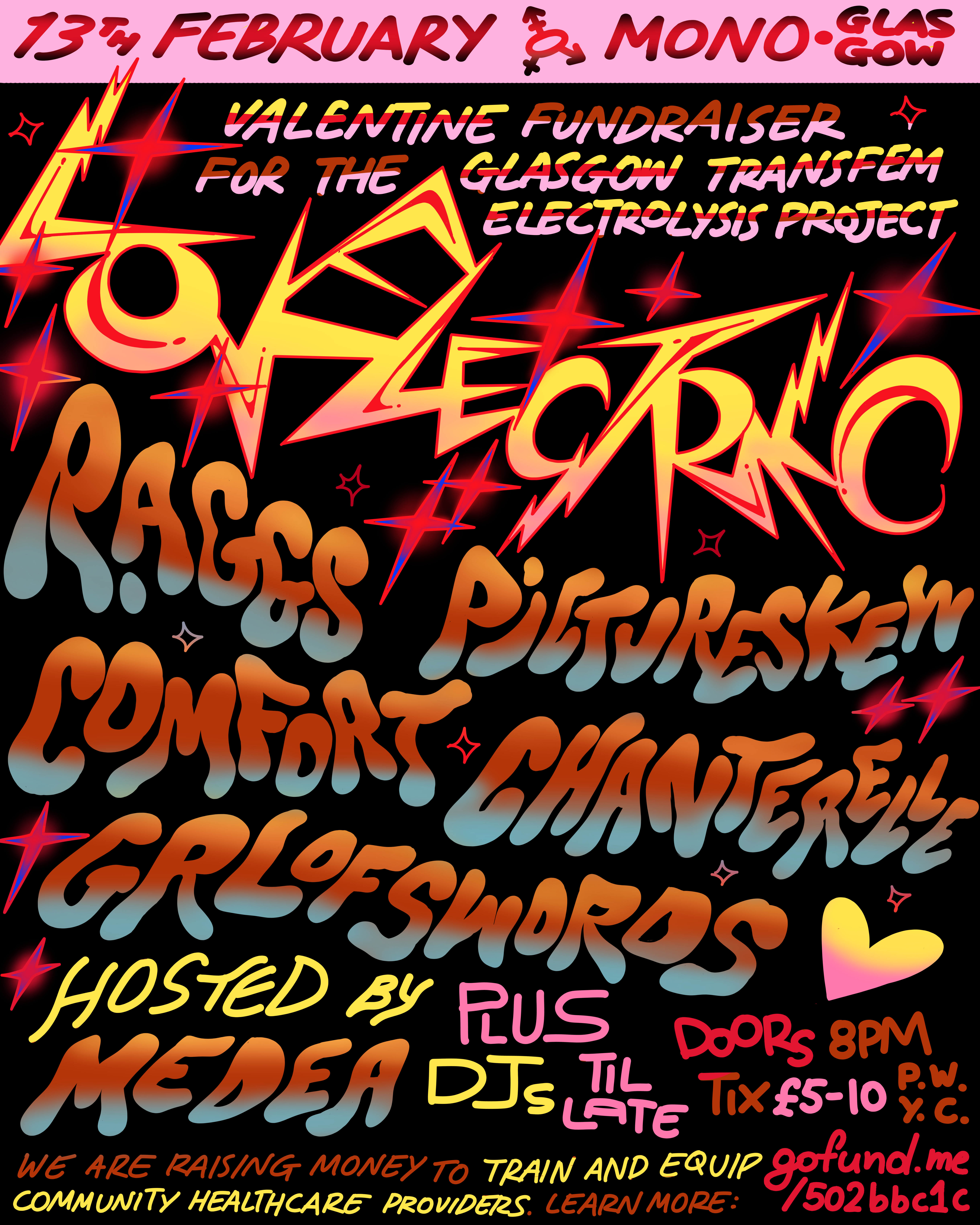
Amplify trans youth

This morning I logged into instagram and watched, transfixed in amazement and worry, as a young person scaled the walls of the Department for Education.

The aspiring spiderman is part of the activist group Trans Kids Deserve Better. At the time of writing they are staging a multi-day protest at the Department for Education building in London, for the right to a safe and inclusive education.

Watching the video, I fear for Squirrel, the anonymous activist who is genuinely risking their life to stop government employees from taking the group’s banner. It’s very apparent that Squirrel is a skilled climber who knows what they are doing – equally, one wrong move could result in a deadly drop to the concrete pavement. This is not safe.

But of course, the entire reason this protest is happening is because young trans people are not safe.

Trans Kids Deserve Better launched their campaign for youth autonomy, safety, respect, and inclusion in July, from a dramatically high ledge of an NHS England building. In an interview with Jess O’Thompson for Trans Writes, the emergency doctor and children’s TV presenter Dr Ronx Ikharia argued that “our young people deserve better than suffering, and shouldn’t be scaling walls”. But they added that for this to happen, trans kids must be “believed, supported, affirmed, and loved”.

And this is the crux of the issue. Under the Conservative and Labour governments, we have seen a policy environment in which teachers, doctors, therapists and parents are actively discouraged or prevented from believing, supporting, affirming, or loving young trans people. Instead, families face prison sentences for supporting young people’s continued access to medication, NHS England is expanding the provision of state-funded conversion clinics, and a growing number of schools are refusing to allow even the discussion of trans experiences.

Trans kids are not safe because they have been entirely failed by the adult world. They have been failed by politicians, failed by civil servants, failed by the NHS, failed by the voluntary sector, failed by researchers, and in many cases also failed by their doctors, teachers, and parents or carers. This is why the activists from Trans Kids Deserve Better are literally scaling walls in their fight for an actual future.

Looking at the challenges facing young trans people, it can be easy to lose hope. But the actions of Trans Kids Deserve Better show that there is a better way. Doomerism helps nobody. The successes of successive liberation struggles have come about because people have continually dared to believe that a better world is possible, and fight for it. The young people currently sat outside the Department of Education are not bemoaning what they have lost: they are insistently demanding change.

Image from Trans Kids Deserve Better

What can we do? In their conversation with O’Thompson, activists from Trans Kids Deserve Better explained that while trans adults often want to “protect” trans youth, they would rather we “amplify” them: “we don’t need sympathy, we need support”. This is a call to action, with a focus on solidarity, rather than trying to speak for young people or bemoan their situation.

Many adult trans people and allies have complained about the lack of mainstream media coverage for the actions of Trans Kids Deserve Better. But we should not simply wait for the papers or news programmes to start caring. It’s up to us to talk about what’s happening. Today’s queer and trans communities only exist at scale because we made our own media, told our own stories, and forced the mainstream to catch up.

So I encourage everyone who reads this to share the story of what is happening. Share it on social media, share it with friends and family, share it in conversations at work and in bars and in cafes and in parks and at gigs and festivals. A few days ago I was at a pub in Bath, fresh from Pride, still holding a placard that read “Ban Wes Streeting” (copied shamelessly from someone else in Glasgow a couple of weeks prior). Someone asked what Wes Streeting had done, so I told her. She was appalled, but grateful to have learned what is happening, and better informed to act. Information spreads when we spread information.

Trans Kids Deserve Better are also hoping that more people will contribute to their actions. You can sign up as a supporter, stay updated from their Instagram account, or contribute to their fundraiser.

If you, like me, would rather not see young people risking life and limb by climbing public buildings, it is time to fight with them, not “for” them. Together we can build a safer world.

Trans Kids Deserve Better – protest at NHS HQ

Young trans people have been leading an incredible protest at Wellington House, the London headquarters of NHS England. They have been holding space on a ledge of the front facade since London Pride on Saturday 29 June.

The protesters will be coming down today (Tuesday 2 July) and have called for supporters in London to join them at a rally from 4pm.

Photo of a group of people sitting on a ledge of a building, with towering pillars and glass windows behind them. They are holding a large banner which reads "We are not pawns for your politics". They have decorated with the windows of the building with trans flags, placards, and the words "trans kids deserve better".


The action powerfully highlights the repeated failure of UK politicians, the mainstream media, and NHS bodies to truly listen to young trans people about their experiences and needs. This is perhaps most powerfully seen in the Cass Review, which has systematically excluded expertise and evidence from trans people in formulating its recommendations, and in trans healthcare bans implemented for under-18s in England in Scotland. Meanwhile, the Labour party are promising to uphold these bans and implement a range of deeply transphobic policies should they win the election on 4 July.

These concerns are powerfully highlights by the protesters themselves. In Diva, a 17 year old activist explains:

“Decisions are being taken that affect our lives without any trans people in the room, let alone trans young people. Too often trans kids are portrayed as a monolith of confused, depressed teenagers. We are denied choice and robbed of our autonomy. But we should be trusted to make the same decisions about our healthcare that all people are. 

In every other way I am trusted when I tell people what I want to do with my life. But not now. There is so much real anger out there and we hope our actions will encourage others to fight for a voice, and the healthcare and dignity that we are currently denied.”

Another protester explained to Pink News:

“We are staging this protest to remind politicians and voters that we’re real kids, not just political talking points. We may not have a vote, but it is our lives that are at stake. Gender-affirming healthcare is a matter of life and death for us and we hope our actions will bring awareness to this fact and encourage others to fight for the healthcare and dignity we are so shamefully denied.”

As a former youth activist working in this field for almost two years now, I am hugely heartened and inspired by this powerful protest. In the face of institutionalised violence and silencing, young trans people are seizing the narrative. It is up to us adults to listen, learn, and fight alongside them.

Remembering Lynn Conway

Lynn Conway in 2006. Photo by Charles Rogers.

I was sad to hear last week of Lynn Conway’s passing, at the age of 86. Equally, I’m extremely glad she got to live such a long and impactful life. She was an important pioneer in the field of computer science, where her innovations contributed to the development of the microchips we use in so much of our technology. She also played a vital role in promoting women’s careers in STEM, and in providing information for trans people at the turn of the century.

During the early 2000s, Conway uploaded a substantial amount of information about trans lives and transition to her personal website. This material was hugely important to a great number of people, while also reproducing certain forms of transnormativity and stereotypical notions of “success”.

For example, while there was some diversity among the women listed on her pages of “transsexual women’s successes“, most are white, cis-passing, and occupied middle-class professions.

I came across Conway’s site around the time I was coming out to myself as a teenage trans girl. Having grown up in a void of information about trans people’s lives, her website both created a sense of possibility, and made transition seem more fantastical and distant.

Nevertheless, I’ll always remain grateful for what Conway did for trans people, as well as so many others. The resources she put online, for free, were created with love, care, and hope for the future. That’s an example I am committed to following through my own life.

My speech on the Cass Review and Scotland’s trans healthcare ban (with footnotes!)

This post shares a video and transcript of my speech at the emergency demonstration in George Square, Glasgow, on 18 April 2024, against the decision from NHS Greater Glasgow and Clyde to ban endocrine treatments for trans people aged under 18. The speech was unplanned and made without notes, so I have made some small corrections in the transcript, plus minor amendments for clarity. I have also added references for some key points. Thank you to @transprotestglasgow for the video.

Readers seeking more detailed evidence and academic critiques may find my previous blog post helpful: What’s wrong with the Cass Review?

TRANSCRIPT

Hi, I’m Ruth Pearce.

I’m a Lecturer in Community Development at the University of Glasgow, and I’m a researcher on trans healthcare.

And I was a trans child.

I want to talk about that for a moment. Because I came out to myself circa 2001, when I was 15, when not many people did that. And it was hard for us. And there was trans community, and there was information, but it was very difficult because we felt very, very alone. I was mostly only able to connect with other trans people my age through the internet, through blogs, and they were mostly Americans. The Brits were there; a lot of us connected later as we grew older. But we were so isolated.

A really important thing to remember, in a moment like this where we are seeing a return to the kind of medical policies that were in place when I was a kid: there are so many more of us, and we are so much more powerful than we have ever been.1 Never forget that strength we have together.

One of the things Hilary Cass says in her report is that the meaning of the word “trans” has changed since 2020.2 She says, and there is no evidence for this, that “trans” in 2020 meant something quite rigid and specific, and only now in 2024 it’s become an umbrella term for lots of identities. Tell that to me coming out as a trans teenager in 2001!

So here’s the thing. We’ve always been here, and we are more powerful now, but we are seeing this backlash. That’s been a long time coming and transphobia changes its face over time. One of the things I wanted to do to deal with my loneliness and the experiences I had was that I wanted to become an activist. And when I started doing activism, when I got into meetings with people in government, and with the Equality and Human Rights Commission, they said “there’s no evidence” for the discrimination we faced. So I was like, “fine: let’s see what evidence I can find”.

So I did a PhD in trans healthcare.3 And I found what you often find when you do research; you often find things you don’t expect. So I did find some things I expected to find. About waiting lists and how hard they are. About how hard appointments can be when you’re meeting with sexist and transphobic clinicians who are asking you, as a young person, how you masturbate and who you’re attracted to. But what I didn’t expect was the sheer level of pain from the waiting. And I talk about that in my work. And the anticipation, where we are anticipating all the time. When is it going to happen? When are we going to get to live our lives? And that happens on every level of our lives.

I was also shocked by the level, and detail, and complexity of the ignorance of healthcare practitioners. It ranges: it’s not just that they all hate us, right? It’s that some people are trying to control us, some people want to help but don’t understand how, and some people don’t want to know. There’s different kinds of ignorance.4

So I published my work, and other people have followed. Other people were there before me of course, because “trans” was not new, and trans research wasn’t new either. There is now a lot of published research on what it is like to go through a gender clinic, and what it is like for a young person to go through a gender clinic. There’s people like Cal Horton5 and Natacha Kennedy6 who are writing on this, and Harvey Humphrey7 who works here in Glasgow. There’s a lot of people doing work on this.

We are saying, time and time again, “we need services that meet our needs”. For some people, that is access to puberty blockers, and that is access to hormones. For other people, that is access to counselling, and therapy, and community support. What we call “trans-affirmative” or “gender-affirmative” care is flexibility, meeting a person where they are at, and based on what they want to do with their lives.8 You don’t have to change your body – but you can.

It’s our body, it’s our right: we can do what we want with our own bodies.

This is what is disgusting about the decision by NHS Greater Glasgow and Clyde. They have not addressed the years and years of mistreatment and abuse in their child and adolescent clinic at Sandyford. It is not a great place that we are trying to save. It is a clinic that has repeatedly refused to treat young people, and made people hold on for care. It has helped a handful of people. Dozens of people – only dozens – have accessed treatment in the last few years.9 Now they are proposing to stop doing the very little they are doing to support young trans people.

People who get a referral to a child and adolescent gender clinic are not necessarily seeking access to counselling and therapy, because you can get that elsewhere.10 They are not seeking access to community, because you will find no community at Sandyford. They are most likely seeking access to endocrine treatments: puberty blockers and hormone therapy. And that’s what they are going to stop doing.

Sandyford say they are still accepting new referrals. But what is the point of a gender clinic that does not offer people medical treatment?

NHS Greater Glasgow and Clyde have based their decision on the final report of the Cass Review. Let’s talk a bit about the Cass Review.

I’m an academic researcher. If the Cass Review was submitted by an undergraduate student, the first thing I would say is: “That’s nearly 400 pages long! No-one’s going to have time to mark that”.11 And you’ll notice that all the people in the media, all the Labour politicians, all the Tory politicians, all the people saying we should immediately implement the findings of the report: none of them read nearly 400 pages in one day. Neither did the journalists at the BBC, the Telegraph, the Times, the Daily Mail, the Observer, the Independent. We expect better! And now the Scottish media: it’s all over the Scotsman, the National, the Herald. None of them have bothered to read the report, or think about it critically.

So here’s a bit of information about the Cass Review. The Cass Review was undertaken by a group of people who, from the very start, excluded trans people from oversight of the project. That was in their terms of reference.12 They didn’t want people who had experienced services having a formal part in the report. They excluded healthcare experts. If you were someone who had worked in a gender clinic you were excluded from being part of that.13 You know, I have lots of disagreements with many people who work in gender clinics, but you would have thought they might get a say.

You can see that ignorance, that intentional ignorance, playing out in the final report of the Cass Review. You can see, if you read the Cass report, that they looked at over 100 studies, most of which show that puberty blockers and hormone therapy can help young trans people. And they just ignored them.14 Intentionally. They say that the majority were not “high quality evidence”.15

What else is not high-quality evidence in healthcare? Paracetamol for back pain.16 There is no high quality evidence for that, in the terms of the Cass Review. Anti-psychotics.17 ADHD medication.18 All these medications that are in regular use. You know what else? Puberty blockers for young people with precocious puberty – if they’re cis.19 That is direct discrimination. 20

The thing is, that’s the Cass Review being serious. Let’s think about when it gets weird.

There’s a graph in there, where they show referrals to a gender clinic (the Gender Identity and Development Service in England) rising year on year, with “an exponential rise in 2014”. But they cut the graph off at 2017. But if you look at 2017-2020 the referral rate flattens off. It’s deliberate removal of evidence.21

We know why this is happening. Experts – medical experts, and experts by experience have been cut out of the Cass Review process. If you are trans, that’s you. You are an expert by experience. You know what it’s like. We have been cut out the process!

And the NHS have done that here in Scotland. There was no consultation on the ban that’s come in.

Who did they consult? We know there are people who are proponents of conversion therapy who were on the Cass Review team.22 That is what they are proposing.

They are proposing conversion therapy. Not just for trans kids, because they want to deal with all gender-questioning and non-conforming kids. This is going to be conversion therapy for queer kids. Little boys who want to wear a dress, they might not be trans, but they deserve to have the space to explore. That is not going to be what happens in clinics where people are referred which are being informed by conversion therapists.23

So consequently you have other weird stuff in the Cass Review. They’re dismissing all the evidence about why puberty blockers and hormones can benefit people within particular contexts, but they’re relying on other evidence for their recommendations. Let me give you one citation. “Thoughts on Things and Stuff, 2023”. That is a citation from the Cass Review: Thoughts on Things and Stuff.24

What is “Thoughts on Things and Stuff”? It’s a right-wing Youtube channel run by anti-trans bigots,25 featuring contributors such as “Gays Against Groomers”.26 This is the level of evidence that is informing NHS Greater Glasgow and Clyde.

And I’ll tell you what else is in the Cass report. They say that little girls are likely biologically inclined to play with dolls. It’s right in there, in the Cass report.27 And little boys are probably biologically inclined to play with trucks. Why is this? It’s not just an anti-trans agenda. It’s an anti-feminist agenda. Its an anti-woman agenda.

Why is this happening? It’s happening because trans people are an easy target.

If you want to stop young people accessing contraception as teenagers, you remove trans people’s right to consent to care as young people. If you want to prevent young people – teenage girls – from having abortions, and you’re failing time and time again in the courts, you instead target puberty blockers, because that way you can set a precedent for preventing people from being able to make decisions as young people. You are undermining the idea that young people might have the capacity to consent to care and make an informed decision about their own bodies.28

So I will end on this. I’m a woman, I’m a trans person, and I think it’s really important we think about allies. I had the parent of a trans child contact me and say, “thank you for being an ally”. I want to think her for being an ally. The thing about allies is, we talk a lot about an “ally” being someone who supports somebody else. But no: allies are people who stand by each other and work together.

That’s why we need a trans feminist movement. A trans feminist movements gives people autonomy over their own bodies, space to make their own decisions, and enables people to stand together when we are all at risk.

So I’ll leave you with a chant I want to hear more of at protests:

“Trans rights, women’s rights: one struggle, one fight”.

FOOTNOTES

  1. My statement here is intended to highlight that more people are out as trans than ever before. Contrary to narratives of “social contagion”, there have always been people with gender diverse or sex nonconforming experiences. What has changed is that there is greater access to information and community, which makes it easier for people to come out. ↩︎
  2. “During the lifetime of the Review, the term trans has moved from being a quite narrow definition to being applied as an umbrella term to a broader spectrum of gender diversity. This clearly has implications for conceptualisations of detransition” (Cass et al., 2024, p.187). This claim is demonstrably false, as “trans” (and before that, “transgender”) has been used as an umbrella term for decades. This is shown in my own previous work as well as writing dating back to at least the 1980s by individuals such as Leslie Feinberg. ↩︎
  3. https://wrap.warwick.ac.uk/88285/ ↩︎
  4. For an excellent, more recent and more detailed analysis on this topic in the context of trans youth healthcare, see Magdalena Mikulak’s (2021) article “For whom is ignorance bliss? Ignorance, its functions and transformative potential in trans health“. ↩︎
  5. https://growinguptransgender.com/evidence/ ↩︎
  6. https://www.gold.ac.uk/educational-studies/staff/kennedy-natasha/ ↩︎
  7. https://www.gla.ac.uk/schools/socialpolitical/staff/harveyhumphrey/ ↩︎
  8. “Our stance, as gender-affirming practitioners, is that children should be helped to live as they are most comfortable. For a gender-nonconforming child, determining what is most comfortable is often a fluid process, and can modify over time. Therefore, in a gender affirmative model, gender identity and expression are enabled to unfold over time, as a child matures, acknowledging and allowing for fluidity and change” (Hidalgo et al., 2013). ↩︎
  9. “Since 2018, around 1.77% of young people who are referred to the gender care services at Sandyford have gone on to be prescribed puberty blockers”: https://www.thenational.scot/news/24262271.many-young-people-scotland-given-puberty-blockers/. ↩︎
  10. Although in practice, trans people are often also turned away from mental health services due to “trans broken arm syndrome“. ↩︎
  11. In my original speech, I inaccurately stated that the report was “500 pages long”. However, my point about requiring time to carefully consider its contents remains. ↩︎
  12. “The original published Terms of Reference (ToR) for the Cass Review’s assurance group explicitly excluded trans expertise, stating that it “deliberately does not contain subject matter experts or people with lived experience of gender services” [Report 1, version 1]. The current (updated) assurance group ToR is worded less clearly, yet still conveys exclusion of those with expertise or lived experience, as such individuals would naturally be expected to have an interest in the outcome of the review” (Horton, 2024: p.7) ↩︎
  13. One former gender clinician was involved in the research process: Tilly Langton, formely of England’s Gender Identity Development Service (GIDS). Langton’s recent activities include promoting conversion therapy materials in training for NHS psychiatrists and lobbying Kemi Badenoch about the UK government’s conversion therapy ban, alongside proponents of conversion practices. ↩︎
  14. Hilary Cass has contested this claim in reporting for the BBC. Her argument is that of the 103 studies analysed for the review, 60% were included in the synthesis of evidence. However, my argument here is specifically that the findings of these papers were broadly ignored in the writing of the report’s recommendations, while less robust material was instead prioritised. As Simon Whitten argues, “The majority of moderate certainty studies were included in the results section but then arbitrarily ignored in the conclusion entirely”. ↩︎
  15. I have removed a statement I made about randomised control trials from the transcript here as my point was unclear and therefore potentially misleading (as can happen when you do an unplanned speech on a complex topic!) Unlike the Cass Review team, I am keen to correct my errors. See the links in the above footnotes above for more detailed information on inclusion/exclusion criteria for the Cass Review. ↩︎
  16. See e.g. https://www.nps.org.au/news/is-paracetamol-effective-for-low-back-pain. ↩︎
  17. The landscape of evidence anti-psychotics is a complex one. There is “high-quality” evidence that anti-psychotic drugs work better than placebos in addressing various conditions, but the evidence for use of multiple drugs, reducing or increasing doses at particular junctures in treatment, or taking one drug rather than another in treating specific conditions is often of a similar (or lower) quality than the evidence for benefits of endocrine interventions assessed by the Cass Review (see e.g. https://www.sciencedirect.com/science/article/pii/S0890856716319992). ↩︎
  18. Specifically in the long-term, see e.g.: https://www.nationalelfservice.net/mental-health/adhd/adhd-medications-effective-safe/. ↩︎
  19. https://onlinelibrary.wiley.com/doi/10.1111/cen.14410 ↩︎
  20. At this point, somebody stuck their hand up in the audience. I responded: “Someone stuck their hand up and might give me a footnote on that! I totally approve of that. I might invite you up later because I like evidence and I’m obsessed with it. [person indicates they were just waving to their friend, crowd laughs] Oh that’s grand! There we go, we haven’t even had a footnote.” Well, here is the footnote. ↩︎
  21. p.24 of the Cass Review final report. The rationale for this within the report is that the figure is adapted from a 2018 paper published in Archives of Sexual Behaviour. However, as Trans Actual observe: “The number of referrals to GIDS is known until 2020/21 […] the last 3 years for which data is available, shows that the number of referrals has recently plateaued. Such data is inconvenient for a narrative that relies on an inexplicable explosion in need[.]” ↩︎
  22. https://transsafety.network/posts/gender-exploratory-nhs-training/ ↩︎
  23. A historical example of treatment that “tries to make the child comfortable with the sex he or she was born with” within a gender clinic context can be found here: https://www.npr.org/2008/05/07/90247842/two-families-grapple-with-sons-gender-preferences. ↩︎
  24. p.70, used to evidence the activities of GIDS’ research team at a WPATH conference. They could have instead cited the conference website. ↩︎
  25. A good summary of the channel can be found in this piece by What The Trans: “When citing a recording from the WPATH 2016 conference, Cass uses a YouTube channel called Thoughts on Things and Stuff. This appears to be the associated channel of a now-defunct blog largely focussed on criticising the Mormon Church. Why this was relevant to Cass is unclear, although titles of recent uploads at the time of the WPATH video include “Dr. Stephen Levine: 13 Untruths Behind Gender Affirmative Therapies for Kids” (Levine is an advisor to Genspect) and “Gays Against Groomers: stop the indoctrination and medicalization of children. 2023 Florida testimony.”, which perhaps provides a clue to how Hilary Cass ended up citing a channel with only 22.4K subscribers. It thus seems that, in addition to being advised by and networked with a variety of prominent anti-trans figures and organisations, Hilary Cass appears to be getting her professional news from homophobic and transphobic YouTube channels.”  ↩︎
  26. Anti-gay campaigners have long attempted to position LGBTIQ+ people as a danger to children. In recent years this tactic has seen a resurgence, through positioning trans and queer campaigners as “groomers”. GLAAD have described Gays Against Groomers as a group who intentionally use “ambiguous messaging about characterizing LGBTQ+ people as pedophiles falsely and maliciously with the absolutely clear intent of driving fear.” ↩︎
  27. pp.100-101 ↩︎
  28. https://transsafety.network/posts/bell-v-tavistock/ ↩︎
